Athena was one of the most important goddesses in ancient Greek religion.
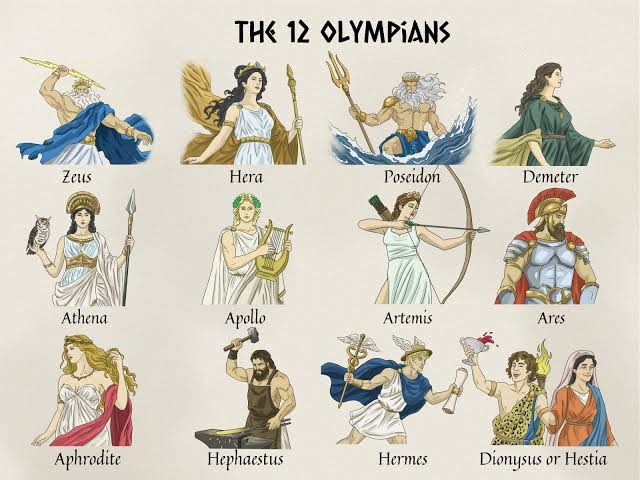
She represented wisdom, strategic warfare, crafts, intelligence, and civic protection. Unlike Ares, whose mythology emphasized the violence and chaos of battle, Athena represented discipline, planning, and tactical thinking.
She became especially important to Athens, where the city claimed her as its divine protector.
The Extraordinary Birth of Athena
Athena's birth was unlike that of almost any other Greek deity.
According to myth, Zeus swallowed Metis, a goddess associated with wisdom and cunning intelligence.
Later, Zeus suffered an enormous headache.
Hephaestus opened Zeus's head, and Athena emerged fully armed.
The story symbolically connects Athena with intelligence born directly from divine authority.
Athena and Athens
Athens was one of the most important cities of ancient Greece, and Athena was its patron goddess.
According to legend, Athena and Poseidon competed for control of the city.
Poseidon offered a source of water or, in some versions, a horse.
Athena offered the olive tree.
The Athenians chose Athena's gift.
The olive tree represented food, oil, wood, and economic value.
The myth therefore connected Athena with the prosperity and identity of the city.
The Acropolis
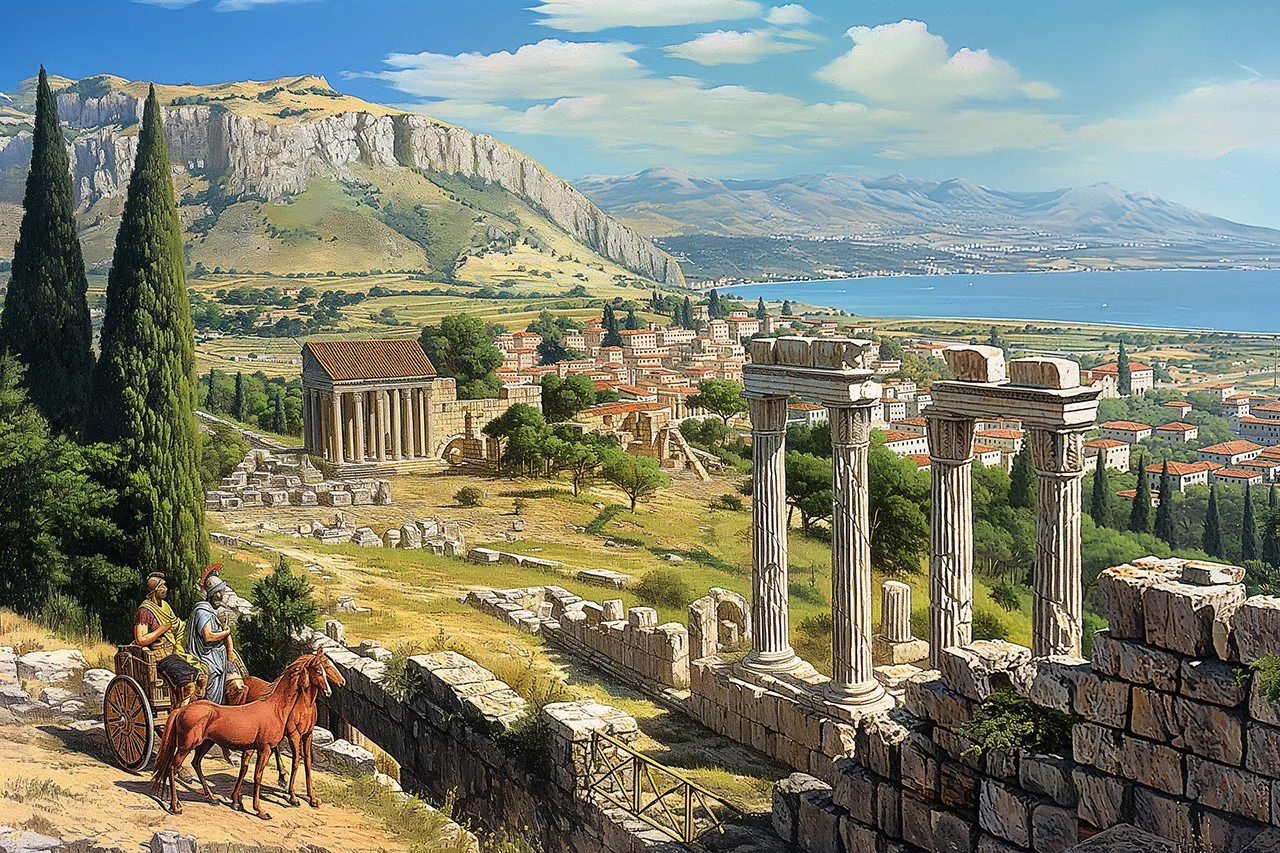
The Athenian Acropolis became one of the greatest religious landscapes of the Greek world.
The Parthenon was dedicated to Athena.
However, the Acropolis contained more than one building and sanctuary.
The religious complex reflected Athena's central place in Athenian civic identity.
Athena and Warfare
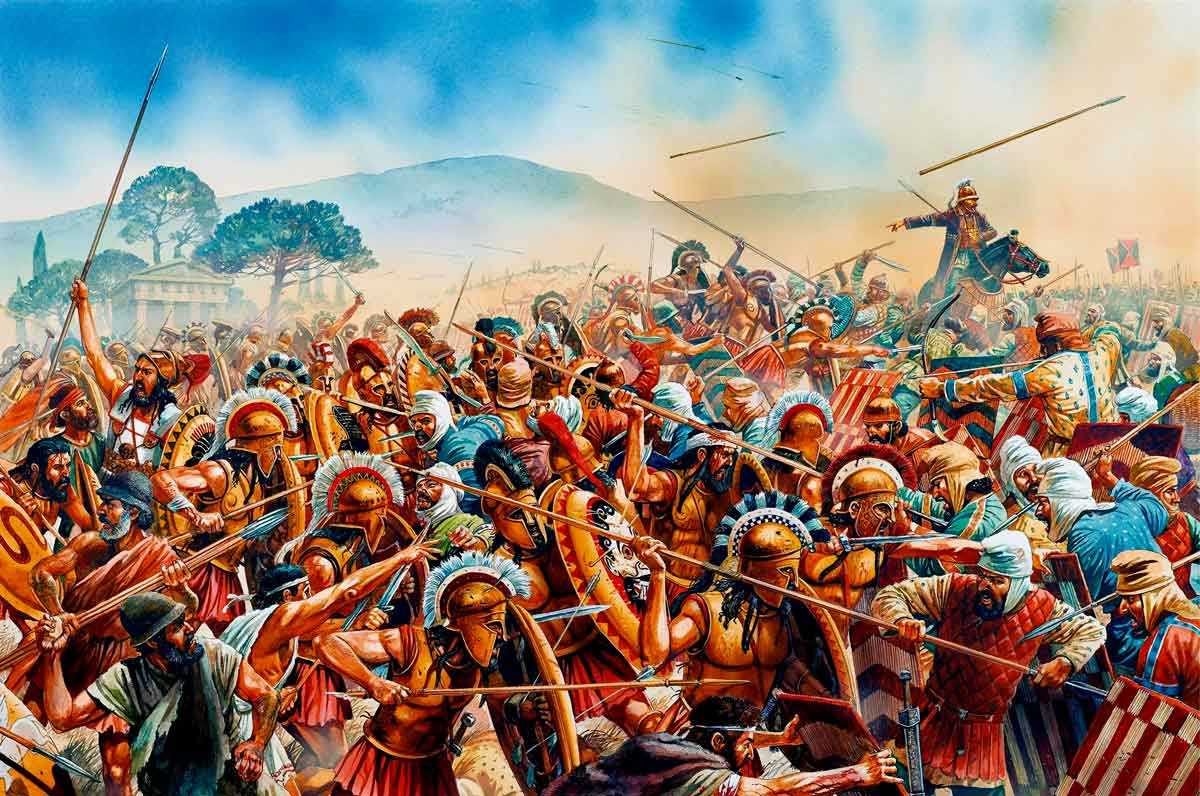
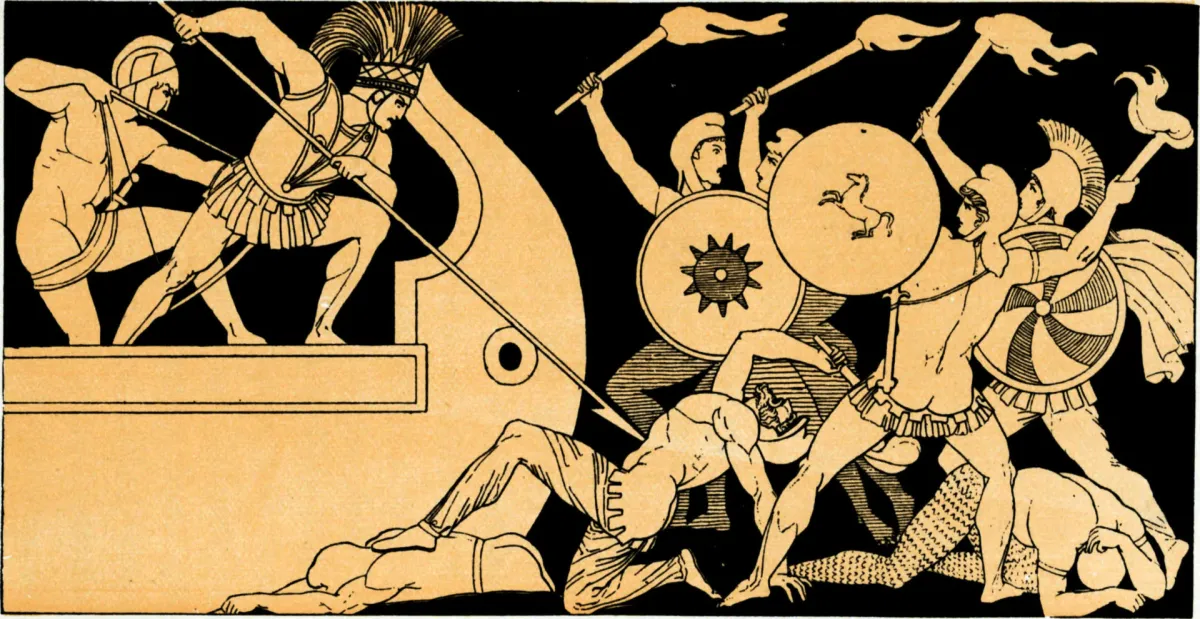
Athena's relationship with warfare was distinctive.
She did not represent simple bloodlust.
Instead, she embodied planning, tactical intelligence, discipline, and strategic victory.
Greek mythology therefore created an interesting contrast between Athena and Ares.
Both were associated with war, but they represented different dimensions of it.
Athena and Heroes
Athena frequently appears as a helper of heroes.
She assists Odysseus during his long journey home.
She supports Perseus in some traditions.
She also helps Heracles and other legendary figures.
Her role is often that of the intelligent guide who helps a hero overcome obstacles through strategy rather than brute strength.
Athena and Odysseus
The relationship between Athena and Odysseus is particularly important.
Odysseus is famous for his intelligence and cunning.
Athena recognizes these qualities.
In the Odyssey, she repeatedly helps him navigate political and personal challenges.
Their relationship demonstrates how Greek mythology valued intelligence as a heroic quality.
Athena and the Aegis
Athena is often depicted carrying the aegis.
The aegis was a protective divine object sometimes described as a shield or cloak.
It could bear the terrifying image of Medusa's head.
The Gorgon image served as a powerful protective symbol.
Athena and the Olive Tree
The olive tree became one of the strongest symbols of Athens.
Olive oil was essential to Greek life.
It could be used in cooking, lighting, medicine, athletics, and religious rituals.
Athena's gift therefore represented far more than a simple plant.
Athena and Craftsmanship
Athena was also associated with crafts and skilled work.
She was particularly connected with weaving.
This appears in myths such as the story of Arachne.
Arachne challenges Athena to a weaving contest and boasts that her abilities surpass those of the goddess.
The contest ends disastrously.
The story warns against excessive pride while also emphasizing the extraordinary importance of textile production.
Athena's Personality
Athena is frequently portrayed as calm, strategic, and intelligent.
Yet she can also be severe.
Like many Greek deities, she could punish those who offended her.
Her myths demonstrate that divine wisdom did not necessarily mean kindness.
Athena's Importance to Greek Civilization
Athena's significance extended beyond mythology.
She became a symbol of:
civic identity;
strategic warfare;
craftsmanship;
intelligence;
education;
political power.
Her connection to Athens made her especially important in discussions of Greek democracy and civic culture.
Conclusion
Athena represented one of the most admired qualities in ancient Greek thought: intelligent action.
She was not merely a goddess who happened to participate in war.
She represented the planning, discipline, creativity, and judgment required to succeed in difficult circumstances.
Her association with Athens, the Acropolis, the olive tree, heroic legends, and skilled craftsmanship made her one of the most influential deities in Greek religion.
Athena's legacy survives because she represents an enduring idea: strength becomes more effective when guided by wisdom.