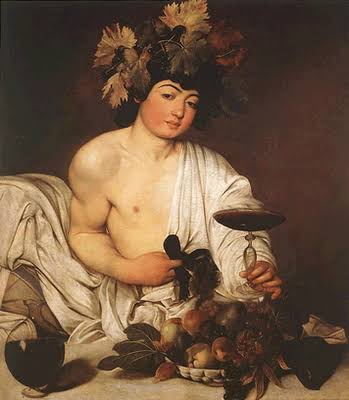
Dionysus was one of the most unusual gods in ancient Greek religion.
He was associated with wine, celebration, theater, ecstasy, transformation, fertility, and altered states of consciousness.
Unlike many Olympians, Dionysus repeatedly crossed boundaries.
He could appear as divine or human, civilized or wild, joyful or terrifying.
Son of Zeus
Dionysus was traditionally the son of Zeus and the mortal woman Semele.
Semele was destroyed when she encountered Zeus in his full divine form.
Zeus rescued the unborn Dionysus and, in one tradition, carried him within his thigh until the child could be born.
This unusual birth earned Dionysus associations with death and rebirth.
The God of Wine
Wine was central to ancient Greek culture.
It was consumed during meals, religious ceremonies, festivals, and social gatherings.
But Greek wine was usually diluted with water rather than consumed exactly like modern table wine.
Dionysus represented both the pleasures and dangers of wine.
Ecstasy
Dionysian worship could involve music, dancing, shouting, processions, and intense emotional experiences.
The god represented a temporary escape from ordinary social restrictions.
People could enter a different psychological and religious state during festivals.
Dionysus and Theater
Dionysus became closely associated with Greek theater.
The City Dionysia in Athens included dramatic competitions.
Tragedies and comedies were performed in his honor.
Some of the greatest surviving works of Greek literature emerged from these religious festivals.
The God Who Breaks Boundaries
Dionysus frequently challenges conventional categories.
He could be masculine yet associated with long hair and luxurious clothing.
He represented civilization's enjoyment of wine while also embodying the dangers of uncontrolled behavior.
This made him a uniquely complicated figure.
Pentheus
The story of Pentheus is one of Dionysus's darkest myths.
Pentheus, king of Thebes, refuses to recognize Dionysus's divinity.
The god causes Pentheus to become fascinated with the worshippers.
Pentheus eventually disguises himself and observes the women participating in Dionysian rites.
He is discovered and killed.
In Euripides' Bacchae, Pentheus is torn apart by the women, including his own mother Agave.
Dionysus and Ariadne
Another important story involves Ariadne.
After being abandoned by Theseus, Ariadne encounters Dionysus.
He becomes her husband in later traditions.
Their relationship connects Dionysus with transformation from despair to divine union.
Conclusion
Dionysus represented the forces that civilized society could not completely control.
Wine, emotion, theater, sexuality, celebration, music, and religious ecstasy all belonged to his world.
His myths warn that denying these forces can be dangerous, but surrendering completely to them can be dangerous as well.
Dionysus therefore embodied one of Greek mythology's most fascinating ideas: human beings need order, but they also possess impulses that exist beyond ordinary social boundaries.