The ancient Greeks developed fascinating ideas about time and the past.
They measured days, months, seasons, and years, but their calendars were often based on local traditions rather than one universal Greek system.
Their understanding of history was equally complex.
Calendars
Greek communities generally used lunar or lunisolar calendars.
Months were connected to the cycles of the moon.
Because the lunar year was shorter than the solar year, adjustments were necessary to keep festivals aligned with the seasons.
Different city-states had different calendars.
This could make dating events complicated.
Festivals and Time
Religious festivals helped structure the year.
Agricultural cycles, seasonal changes, and religious observances influenced how communities understood time.
The calendar was therefore not merely a method of counting days.
It was connected to religion, farming, politics, and social life.
Olympiads
The Olympic Games provided one broader chronological system.
Ancient writers sometimes dated events according to Olympiads, with each Olympiad representing a four-year period between Olympic festivals.
This provided a useful reference point across the Greek world.
Genealogies and Mythic Time
Greek mythology often described the distant past through generations of heroes and kings.
These stories created a sense of historical continuity.
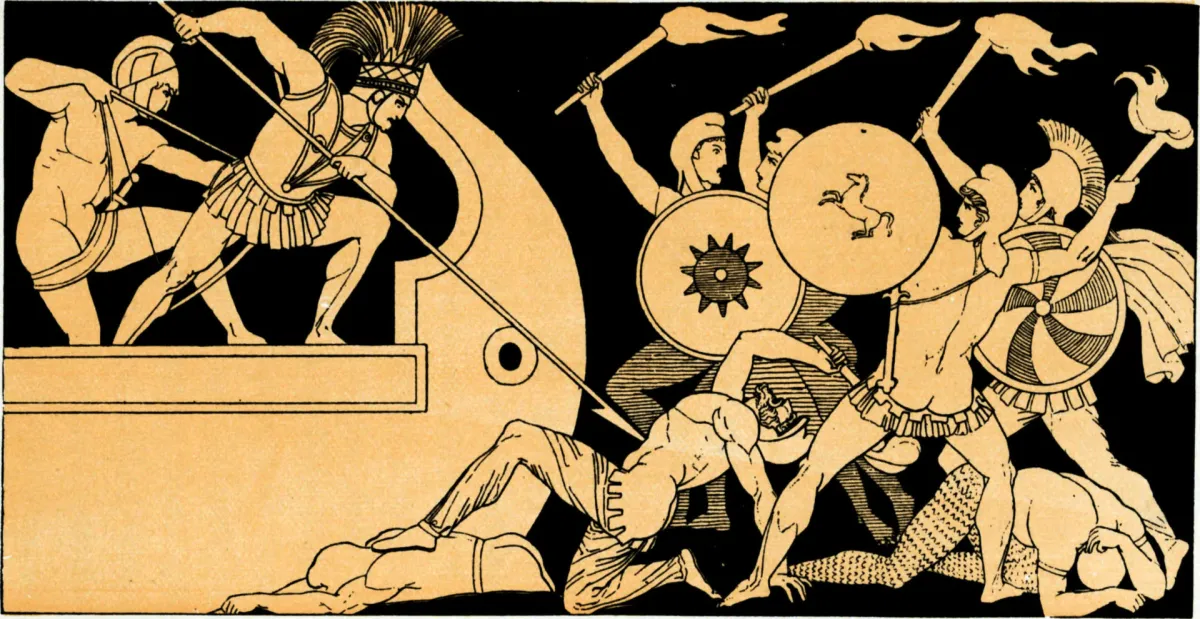
The Trojan War, the age of heroes, and legendary migrations could be placed within elaborate traditions.
However, ancient Greeks did not always separate myth and history in the same way modern historians do.
Herodotus
Herodotus is often called the "father of history."
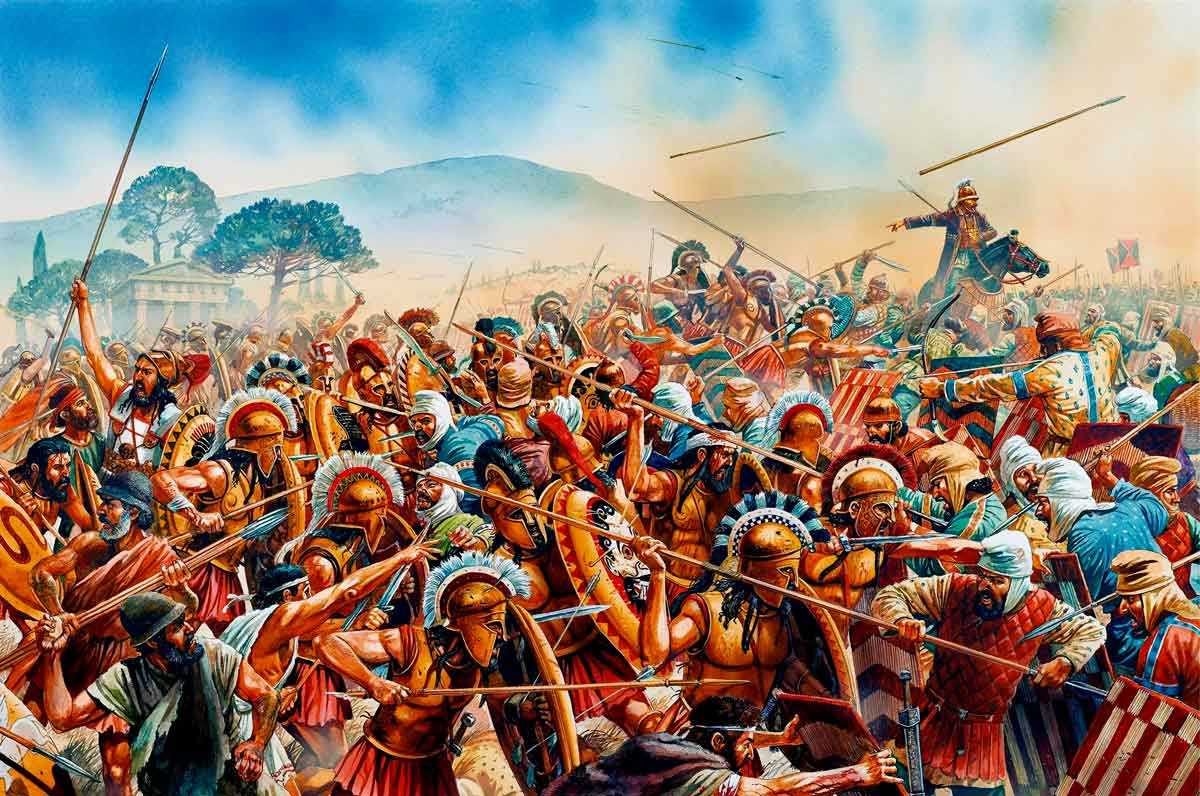
His Histories examined the causes and events surrounding the Persian Wars.
He collected stories, traditions, eyewitness accounts, and information from different regions.
He was interested in explaining how events happened and why.
Thucydides
Thucydides developed an even more analytical approach.
Writing about the Peloponnesian War, he emphasized human decision-making, political interests, fear, ambition, and power.
He attempted to distinguish reliable evidence from stories that could not be verified.
The Meaning of the Past
For Greeks, history could serve moral and political purposes.
The past provided examples of courage, arrogance, justice, betrayal, leadership, and disaster.
Historical stories could therefore teach lessons about human behavior.
Conclusion
Ancient Greeks did not view time and history exactly as modern societies do.
Their calendars were local and closely connected with religious life.
Their historical traditions combined mythology, genealogy, oral memory, and increasingly systematic investigation.
Yet Greek historians developed methods that became enormously influential.
By asking not only what happened but also why it happened, Greek writers helped establish traditions of historical inquiry that continue to shape how humanity studies the past.