Corinth occupied one of the most strategically important locations in ancient Greece.
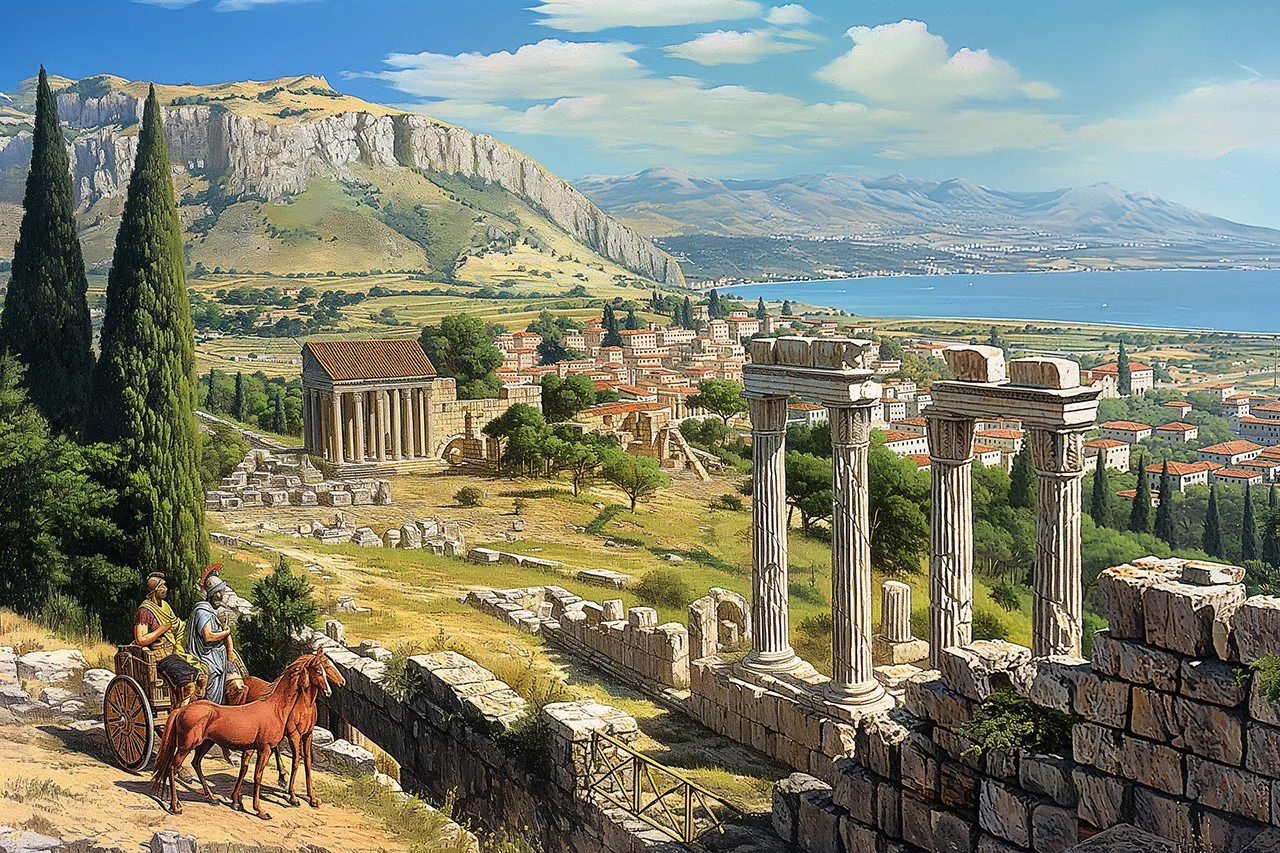
Situated on the narrow isthmus connecting mainland Greece with the Peloponnese, Corinth controlled important routes between different parts of the Greek world.
Its geography helped transform it into a wealthy commercial center.
A Strategic Location
Corinth's greatest advantage was geography.
Goods traveling between the Aegean and western Greece could pass through the region.
The city also possessed access to important ports.
Lechaion served the Gulf of Corinth, while Cenchreae connected Corinth to the Saronic Gulf.
Trade
Corinth became famous for commerce.
Merchants dealt in pottery, agricultural products, metals, textiles, and other goods.
Corinthian pottery was exported widely.
Archaeological discoveries have found Corinthian ceramics in distant Mediterranean settlements.
Manufacturing
Trade was supported by manufacturing.
Corinth became particularly famous for pottery production.
Its workshops developed distinctive decorative styles that became highly influential during the Archaic period.
Metalworking was also important.
The Diolkos
One of Corinth's most remarkable features was the Diolkos, an ancient paved route across the isthmus.
It may have allowed certain ships or cargoes to be transported overland between the two seas.
This reduced the need for dangerous voyages around the southern Peloponnese.
Politics
Corinth was politically important.
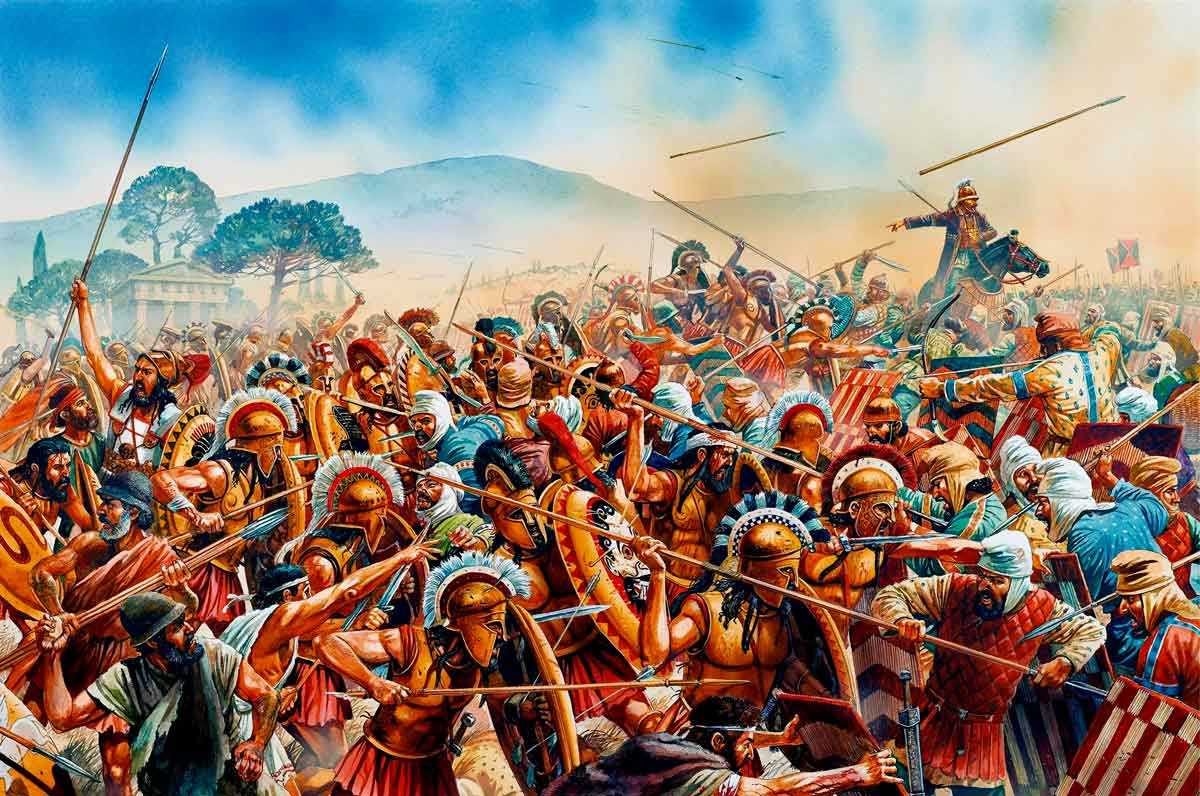
The city participated in major Greek alliances and played roles in conflicts involving Athens, Sparta, and other powers.
Its strategic position made it impossible for major Greek powers to ignore.
Colonization
Corinth also founded colonies.
Corinthian expansion reached places including Corcyra and Syracuse.
These colonies became major powers themselves.
Religion
Corinth contained important sanctuaries.
The sanctuary of Aphrodite on Acrocorinth became particularly famous in ancient literary traditions, although some later stories about its practices are debated.
Daily Life
Ordinary Corinthians lived within a bustling urban economy.
Merchants, craftsmen, farmers, sailors, laborers, enslaved people, and elites all contributed to the city's life.
Its position as a commercial crossroads meant that Corinth was likely a culturally diverse environment.
Conclusion
Corinth's importance came from the combination of geography, trade, manufacturing, political influence, and maritime access.
It was not simply a wealthy Greek city.
It was a strategic gateway between different regions of the Mediterranean.
Its archaeological remains provide an extraordinary picture of how commerce and geography could transform a city into a major center of ancient Greek power.