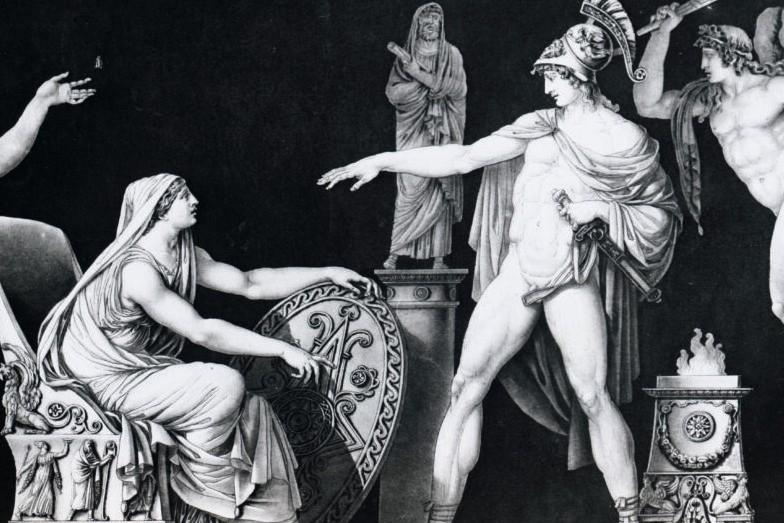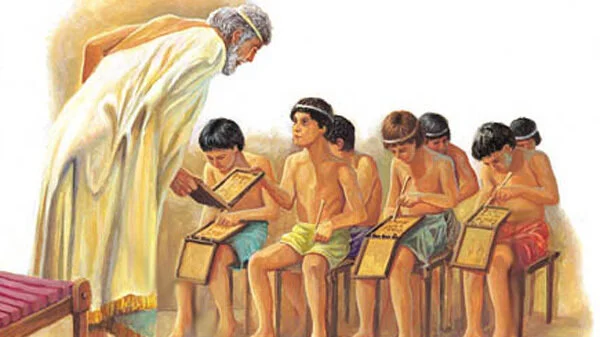
Slavery was a fundamental part of many ancient Greek societies, although its nature varied considerably between cities, periods, and social classes. When people imagine ancient Greece, they often think of philosophers, temples, democracy, Olympic athletes, and legendary warriors. Yet beneath these achievements was an economic and social system that depended heavily on unfree labor.
Slavery was not unusual in the ancient Mediterranean. In many Greek communities, enslaved people worked in households, farms, workshops, mines, and businesses. Some were prisoners of war, while others were acquired through trade or were born into slavery.
Slavery in Athens
Athens provides some of the clearest evidence for Greek slavery.
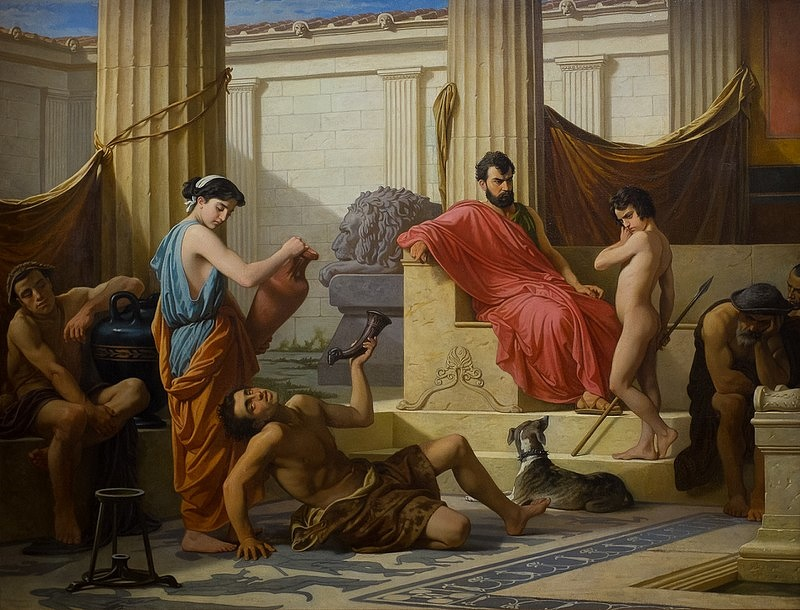
Enslaved people could be found throughout Athenian society. Wealthy households might own domestic servants, while workshops could depend on enslaved laborers to manufacture pottery, metalwork, clothing, or other goods.
The silver mines at Laurion were particularly notorious. Enslaved workers performed extremely difficult labor underground, extracting the silver that helped finance Athenian power.
Yet slavery in Athens was not limited to the mines.
Enslaved people could serve as:
household servants;
craftsmen;
agricultural workers;
miners;
shop assistants;
tutors;
messengers;
and administrative workers.
Some enslaved people were highly skilled and therefore economically valuable.
How Did People Become Enslaved?
There were several routes into slavery.
War was one of the most important. Captured populations could be sold or distributed as slaves after military campaigns.
Piracy also contributed to the slave trade. The Mediterranean was filled with maritime networks, and vulnerable populations could be captured and sold elsewhere.
People could also be born into slavery. In many societies, the children of enslaved women inherited their mother's status.
Sparta and the Helots
Sparta provides a particularly important example because its system differed from ordinary household slavery.
The Spartans depended heavily on the helots, an unfree agricultural population primarily associated with Messenia and Laconia.
Helots cultivated land and produced food that allowed Spartan citizens to concentrate heavily on military training and political life.
The relationship was extremely tense.
Spartan society feared rebellion, particularly because the helots greatly outnumbered Spartan citizens.
This fear influenced Spartan military organization and political culture.
Could Enslaved People Become Free?
Manumission existed in parts of the Greek world.
An owner could legally release an enslaved person, sometimes through a formal process.
Freed people, however, did not necessarily become full citizens. Their social and legal position could remain different from that of free-born citizens.
This illustrates an important point: freedom was not always a simple division between "slave" and "citizen."
Greek societies contained multiple legal and social statuses.
Slavery and Greek Democracy
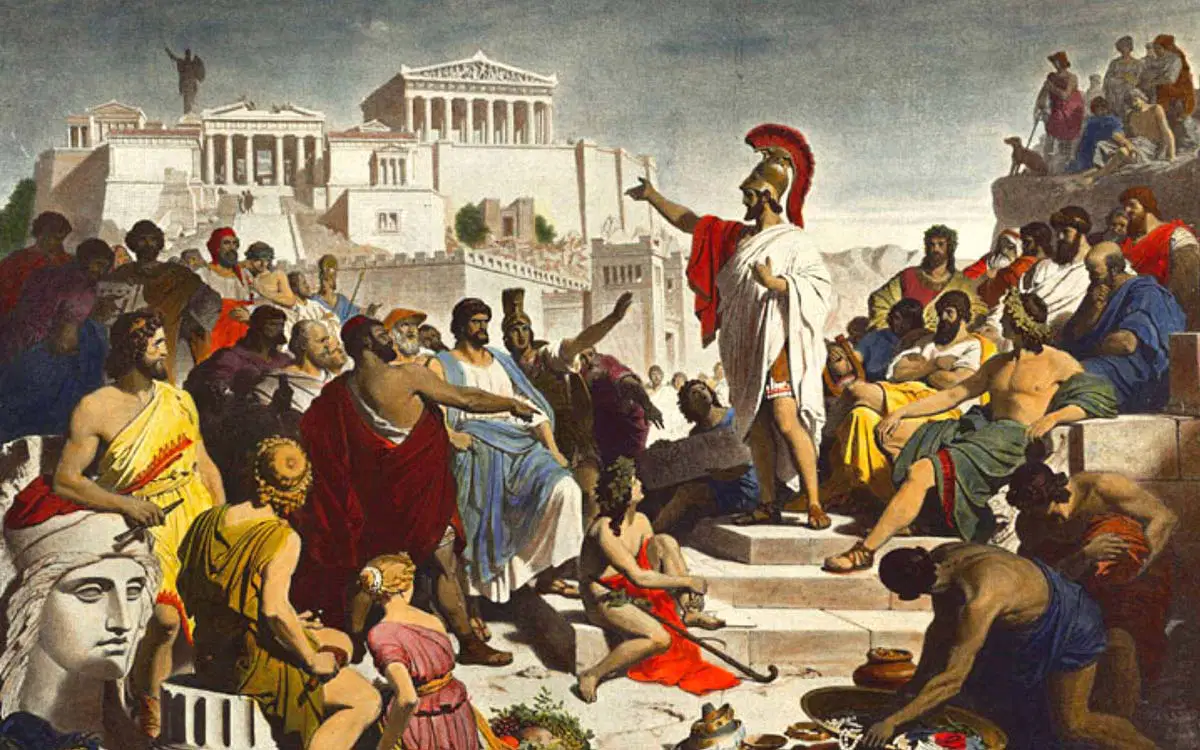
The relationship between slavery and Athenian democracy is one of the most important contradictions in ancient Greek history.
Athens developed an influential democratic system in which eligible male citizens could participate in political decision-making.
But citizenship was restricted.
Women, enslaved people, and many resident foreigners were excluded from political participation.
This meant that the political freedom enjoyed by Athenian citizens existed alongside the exploitation of people who had no political rights.
The Human Reality
Ancient sources sometimes discuss slavery as an economic institution without describing the personal experiences of enslaved individuals.
Archaeology and scattered written evidence nevertheless demonstrate that enslaved people were active participants in Greek society.
They built, farmed, crafted, cooked, transported goods, cared for children, and performed countless forms of labor.
Their work supported households and economies even though they lacked freedom.
Conclusion
Slavery was not a minor feature of ancient Greek civilization.
It was deeply integrated into many Greek economies and social systems.
At the same time, Greek slavery was not identical everywhere. Athens, Sparta, and other communities developed different forms of dependency and unfree labor.
Understanding slavery therefore adds an essential dimension to Greek history.
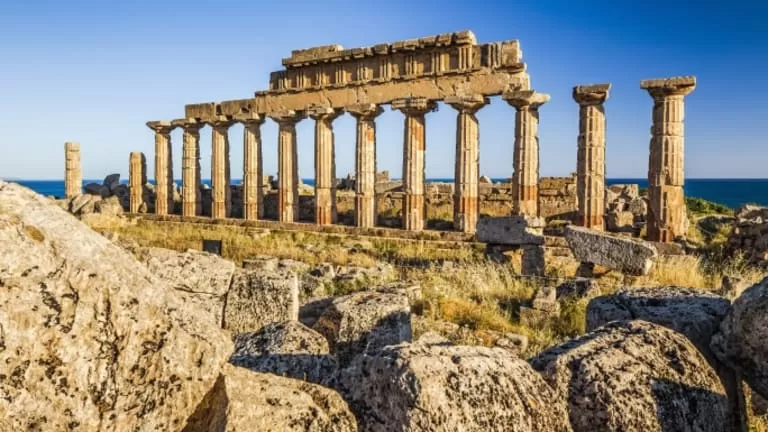
The temples, ships, workshops, farms, and political institutions of the Greek world existed within societies divided by significant inequalities.
Ancient Greece produced extraordinary achievements, but those achievements must be understood alongside the people whose forced labor helped sustain them.