Before Zeus ruled Mount Olympus, another generation of gods held power.
They were the Titans.
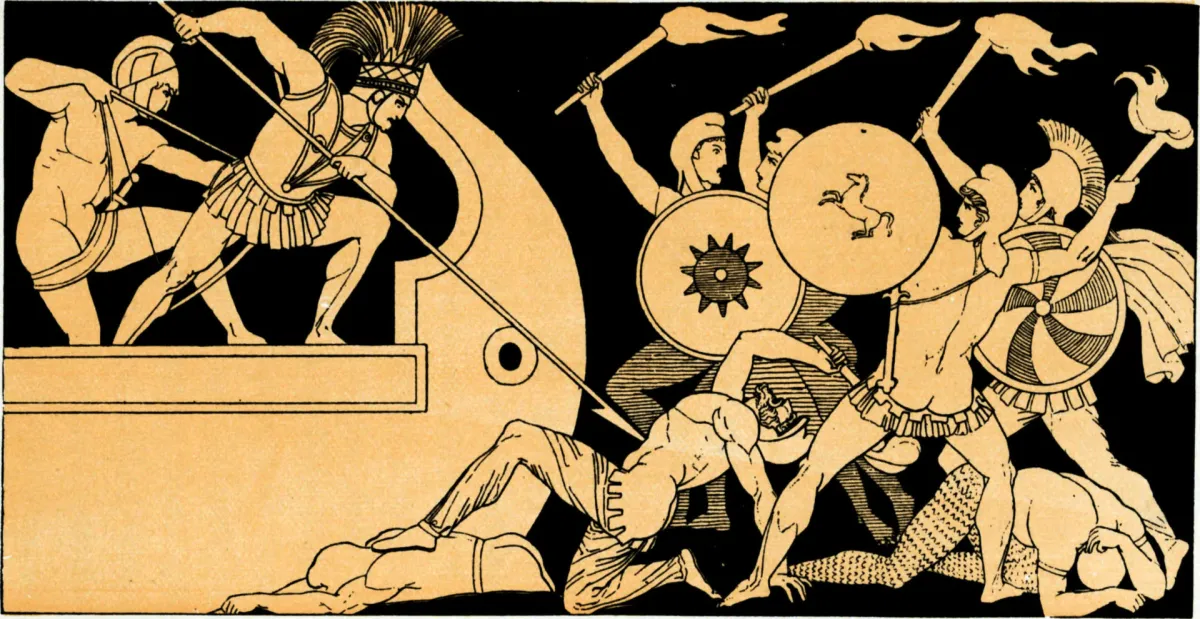
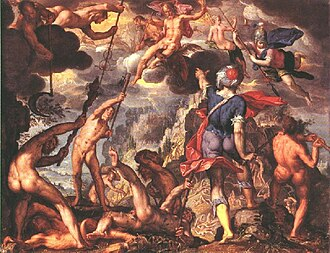
Their conflict with the younger Olympian gods became known as the Titanomachy, one of the foundational wars of Greek mythology.
The story is more than a battle between two groups of supernatural beings.
It is a myth about generations, authority, rebellion, succession, and the creation of a new cosmic order.
The First Generation
The story begins with primordial beings such as Gaia, the Earth, and Uranus, the Sky.
Their children included the Titans.
Cronus became the most important of them.
He overthrew Uranus and established his own rule.
Cronus's Fear
Cronus received a prophecy that one of his children would eventually overthrow him.
Terrified of losing power, he swallowed his children as they were born.
Rhea eventually saved Zeus by hiding him and giving Cronus another object to swallow instead.
Zeus grew up secretly.
Zeus Returns
When Zeus became powerful enough, he confronted Cronus.
Through a combination of divine intervention and strategy, Zeus caused his swallowed siblings to be released.
These included:
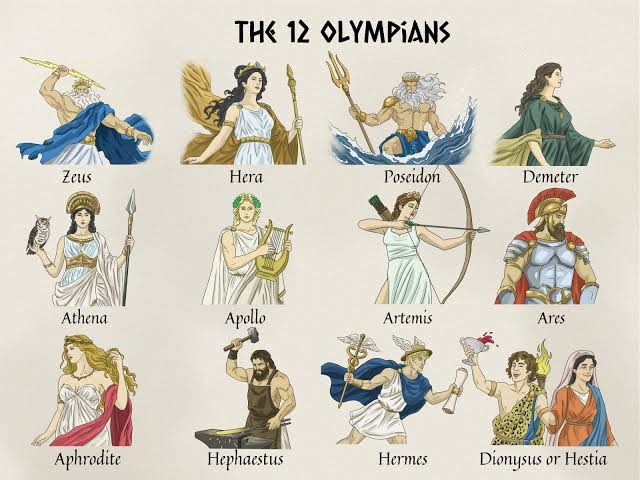
Hestia;
Demeter;
Hera;
Hades;
Poseidon.
The younger generation prepared for war.
The Titanomachy
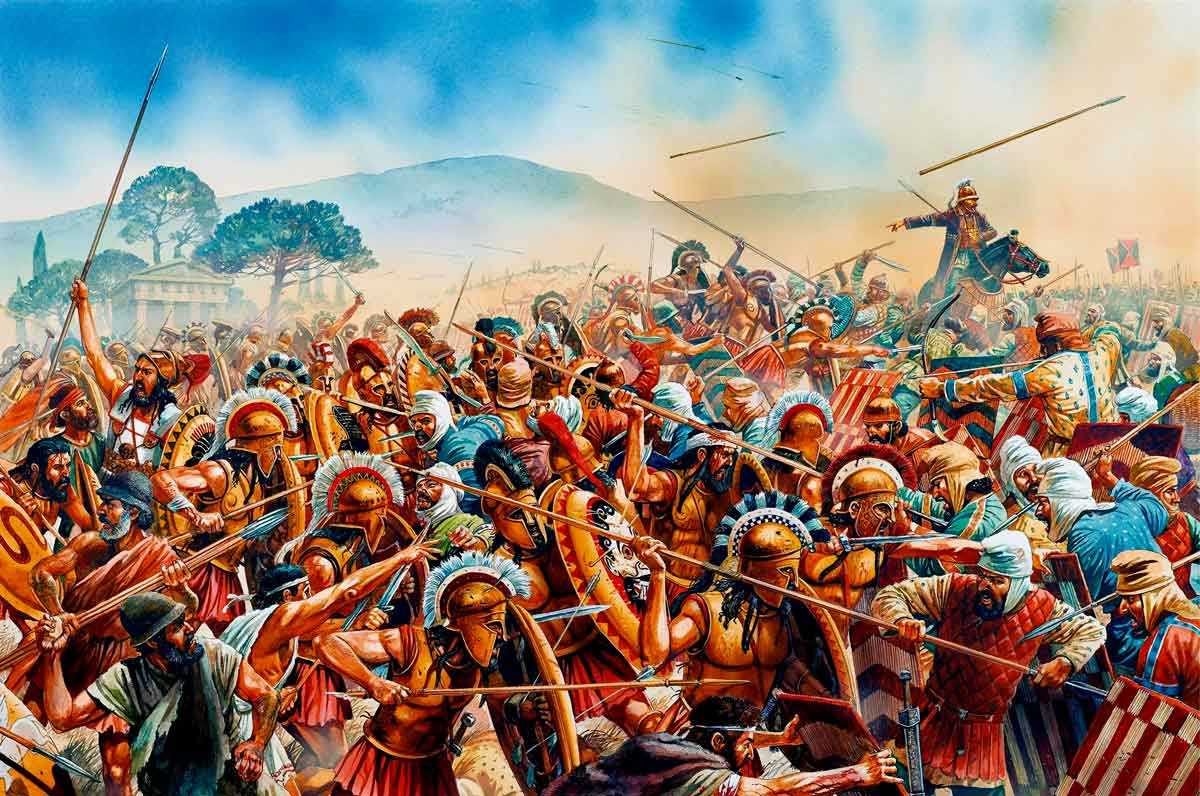
The war between Titans and Olympians lasted for ten years according to the mythological tradition.
The Olympians fought from Mount Olympus.
The Titans were associated with Mount Othrys.
The conflict was not merely a physical battle.
It represented a struggle over the structure of the cosmos itself.
The Cyclopes
Zeus released the Cyclopes from captivity.
In gratitude, they provided powerful weapons to the younger gods.
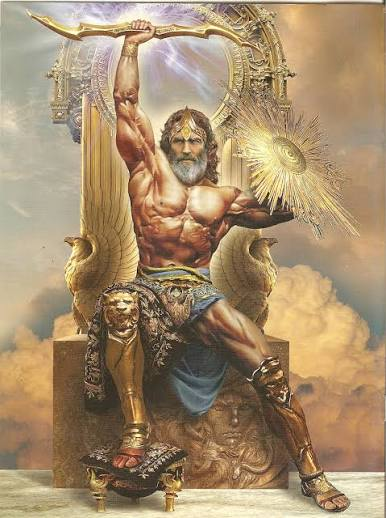
Zeus received the thunderbolt.
Poseidon received the trident.
Hades received the helmet of invisibility.
These weapons helped the Olympians gain the advantage.
The Hecatoncheires
The Hundred-Handed Giants, known as the Hecatoncheires, also joined Zeus.
Their enormous strength helped defeat the Titans.
The story emphasizes that Zeus's victory depended on alliances rather than individual strength alone.
The Defeat of the Titans
Eventually, the Olympians defeated the Titans.
Some Titans were imprisoned in Tartarus.
Others escaped punishment or remained in different mythological roles.
The outcome established Zeus and the younger gods as rulers of the cosmos.
The Division of the Universe
After victory, Zeus, Poseidon, and Hades divided the major cosmic realms.
Zeus received the sky.
Poseidon received the sea.
Hades received the Underworld.
The earth remained a shared domain.
Why the War Matters
The Titanomachy establishes a recurring mythological pattern.
One generation replaces another.
Uranus is overthrown by Cronus.
Cronus is overthrown by Zeus.
The story suggests that power can never be assumed to remain permanently in one generation.
The Meaning of the Olympian Victory
The Olympians represented a new divine order.
Zeus became associated with law, justice, kingship, and cosmic stability.
The older Titans were not necessarily all evil.
Some, such as Prometheus, continued to play important roles in later myths.
Conclusion
The Titanomachy is one of the great creation stories of Greek mythology.
It explains how Zeus became king and how the Olympian gods established their authority.
But underneath the supernatural battles is a deeply human theme: the struggle between generations and the fear that every ruler eventually faces—who will come after me?
The myth transforms that fear into a cosmic war and presents the rise of the Olympians as the beginning of a new divine age.