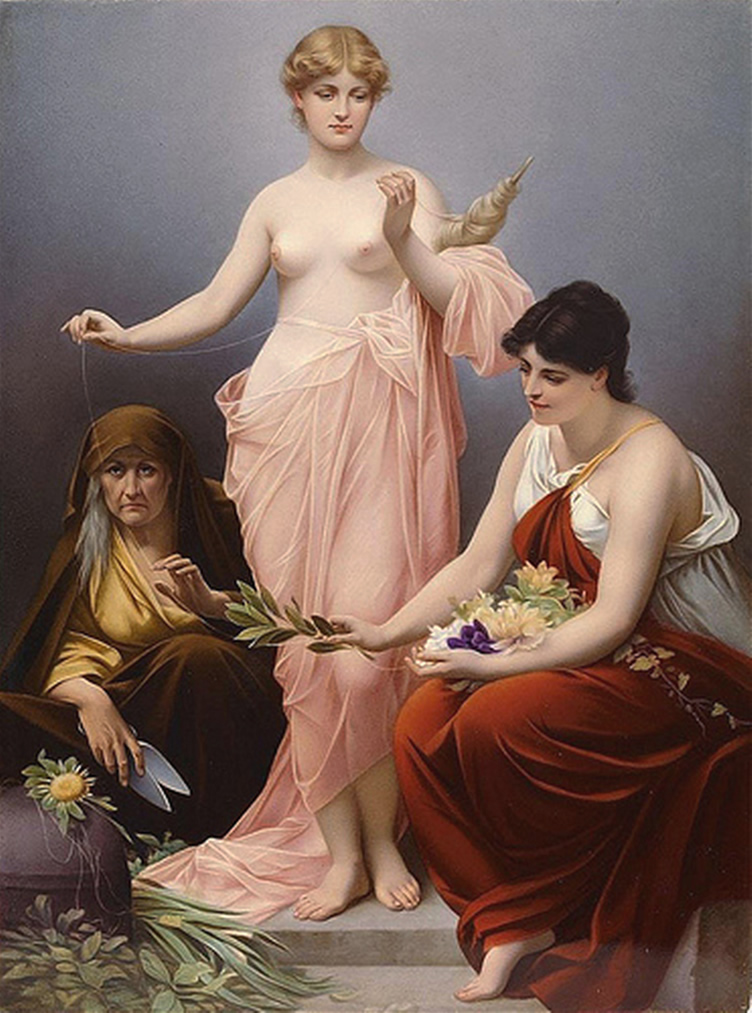
Few concepts were more frightening to the ancient Greeks than the idea of fate.
The Fates, known as the Moirai, represented the forces that determined the allotted course of a person's life.
They were traditionally three sisters:
Clotho, Lachesis, and Atropos.
Together they became one of the strongest symbols of mortality and destiny in Greek mythology.
Clotho: The Spinner
Clotho was traditionally the Fate who spun the thread of life.
The thread represented a person's existence.
Its beginning marked birth.
Its continuation represented life.
Its eventual end represented death.
Lachesis: The Allotter
Lachesis measured or assigned the portion of life.
Her name is connected with the idea of receiving an allotted share.
The concept reflected a major Greek idea: every person had a portion or destiny that could not easily be escaped.
Atropos: The Unturning
Atropos was responsible for cutting the thread.
Her name is associated with something that cannot be turned aside.
She therefore represented death.
The image of a thread being cut became one of the most famous symbols of mortality in classical mythology.
Were the Gods Controlled by Fate?
Greek mythology gives no single answer.
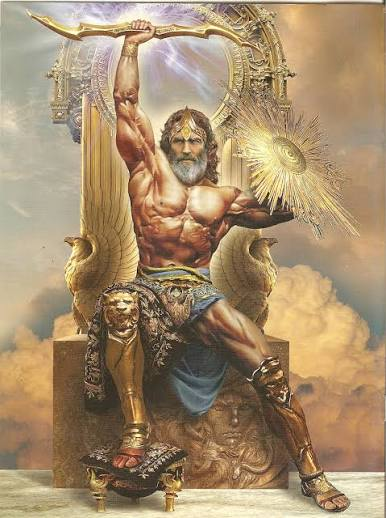
In some traditions, even Zeus appears to recognize the power of fate.
In others, the relationship between Zeus and the Moirai is more complicated.
This uncertainty reflects a larger question in Greek thought: is the universe governed by divine personal decisions, an impersonal cosmic order, or both?
Fate and the Trojan War
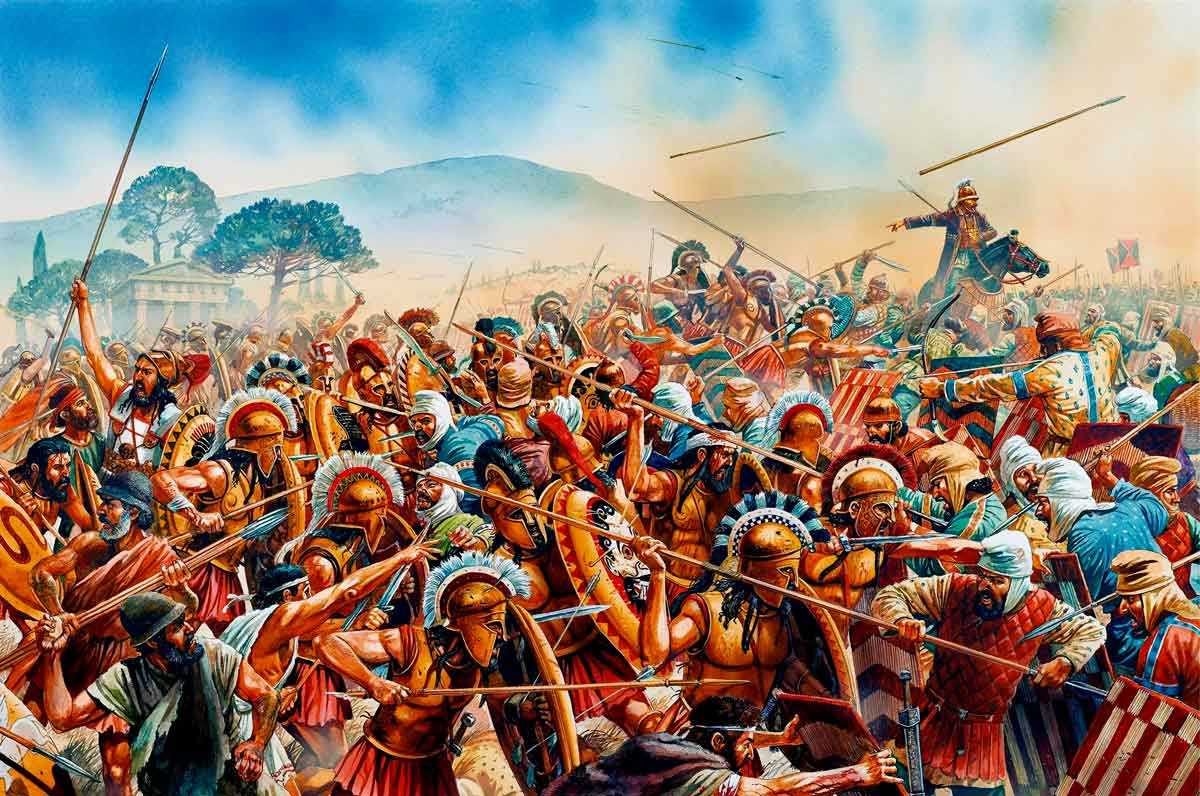
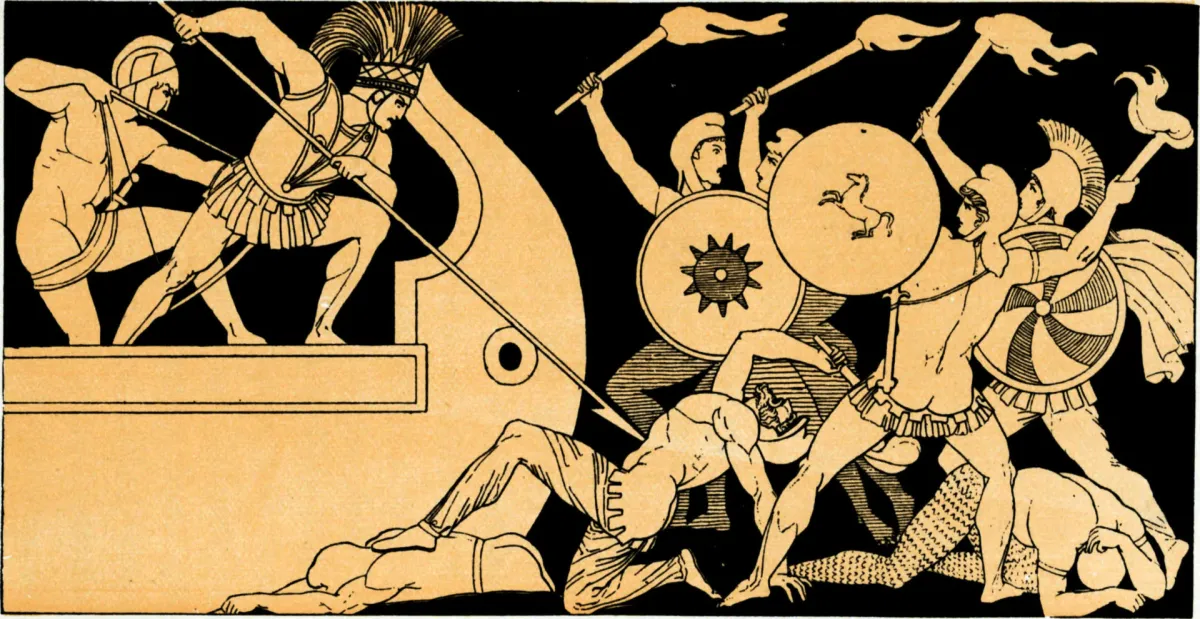
The Trojan War contains many examples of destiny.
Heroes know that certain outcomes may be unavoidable.
Achilles is especially associated with a choice between a long obscure life and a short but glorious existence.
His decision becomes one of the central tragedies of the Iliad tradition.
Oedipus
The story of Oedipus provides another powerful example.
A prophecy predicts that Oedipus will kill his father and marry his mother.
His parents attempt to prevent this.
Oedipus himself later tries to escape the predicted outcome.
Yet his attempts to avoid fate ultimately contribute to fulfilling the prophecy.
Fate and Human Freedom
Greek mythology does not always portray humans as completely powerless.
People still make choices.
They can demonstrate courage, arrogance, wisdom, foolishness, loyalty, or betrayal.
The tragedy comes from the possibility that choices can lead directly toward an outcome that cannot ultimately be avoided.
Conclusion
The Fates represented the limits of human control.
Their thread of life symbolized the idea that every person possesses a finite existence.
Greek mythology repeatedly returns to the same uncomfortable question:
Can humans change their destiny, or are some events unavoidable?
The stories rarely provide a simple answer.
Instead, they use fate to explore mortality, responsibility, courage, and the consequences of human decisions.