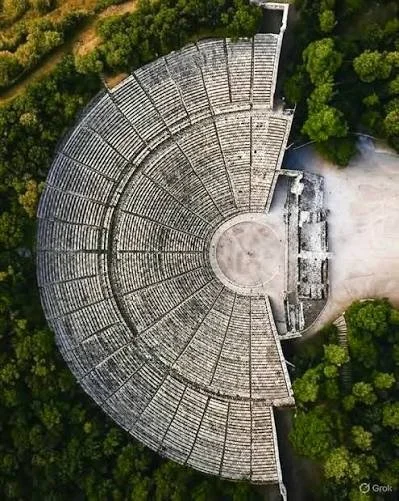
Among the many surviving theaters of the ancient Mediterranean, few have achieved the reputation of the theater at Epidaurus.
Its elegant semicircular seating, carefully calculated proportions, mountainous surroundings, and remarkable acoustics have made it one of the most famous surviving examples of ancient Greek theater architecture.
But the theater was only one part of a much larger complex.
Epidaurus was primarily a sanctuary of Asklepios, the Greek god associated with healing.
The theater, therefore, belonged to a cultural environment in which medicine, religion, music, performance, and communal ritual were closely connected.
The Sanctuary of Asklepios
The sanctuary was located in the northeastern Peloponnese.
Its fame came from healing.
Ancient Greeks traveled to the sanctuary seeking relief from illness and physical suffering.
Asklepios became one of the most important healing deities in the Greek world.
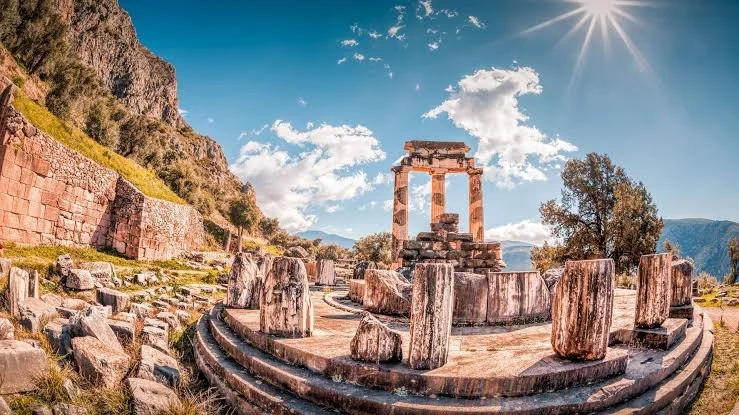
The sanctuary contained temples, treatment-related structures, bathing facilities, accommodation, and spaces associated with religious activity.
The presence of the theater demonstrates that healing was not understood exclusively through what modern societies would classify as medical treatment.
Religion and physical well-being were interconnected.
Ancient Greek Healing
Ancient Greek medicine existed along a spectrum.
Some practitioners emphasized observation, diet, bodily conditions, and practical treatment.
Religious healing involved prayer, offerings, ritual, and sacred dreams.
At sanctuaries such as Epidaurus, patients could participate in rituals intended to seek divine assistance.
The archaeological evidence therefore offers insight into an ancient medical culture that cannot be neatly divided into "science" versus "religion."
The Theater
The theater was constructed on the natural slope of the landscape.
Its design allowed spectators to sit in a broad semicircle facing the performance area.
UNESCO's discussion of ancient Greek theaters describes Epidaurus as an exceptionally accomplished structure, notable for its symmetry, proportions, and acoustic qualities.
The architectural design is one of the reasons the theater remains famous.
Why Is the Theater So Acoustically Effective?
Visitors often hear claims that a performer whispering from the center of the theater can be heard throughout the seating area.
The reality is more nuanced.
The theater's acoustic performance results from several interacting factors:
geometry;
seating arrangement;
slope;
stone surfaces;
background noise;
atmospheric conditions;
the frequency and volume of the sound.
The design helps distribute sound effectively.
However, modern demonstrations should not be treated as proof that every whispered word could always be heard by every ancient spectator.
Acoustics depend on conditions.
The Role of Performance
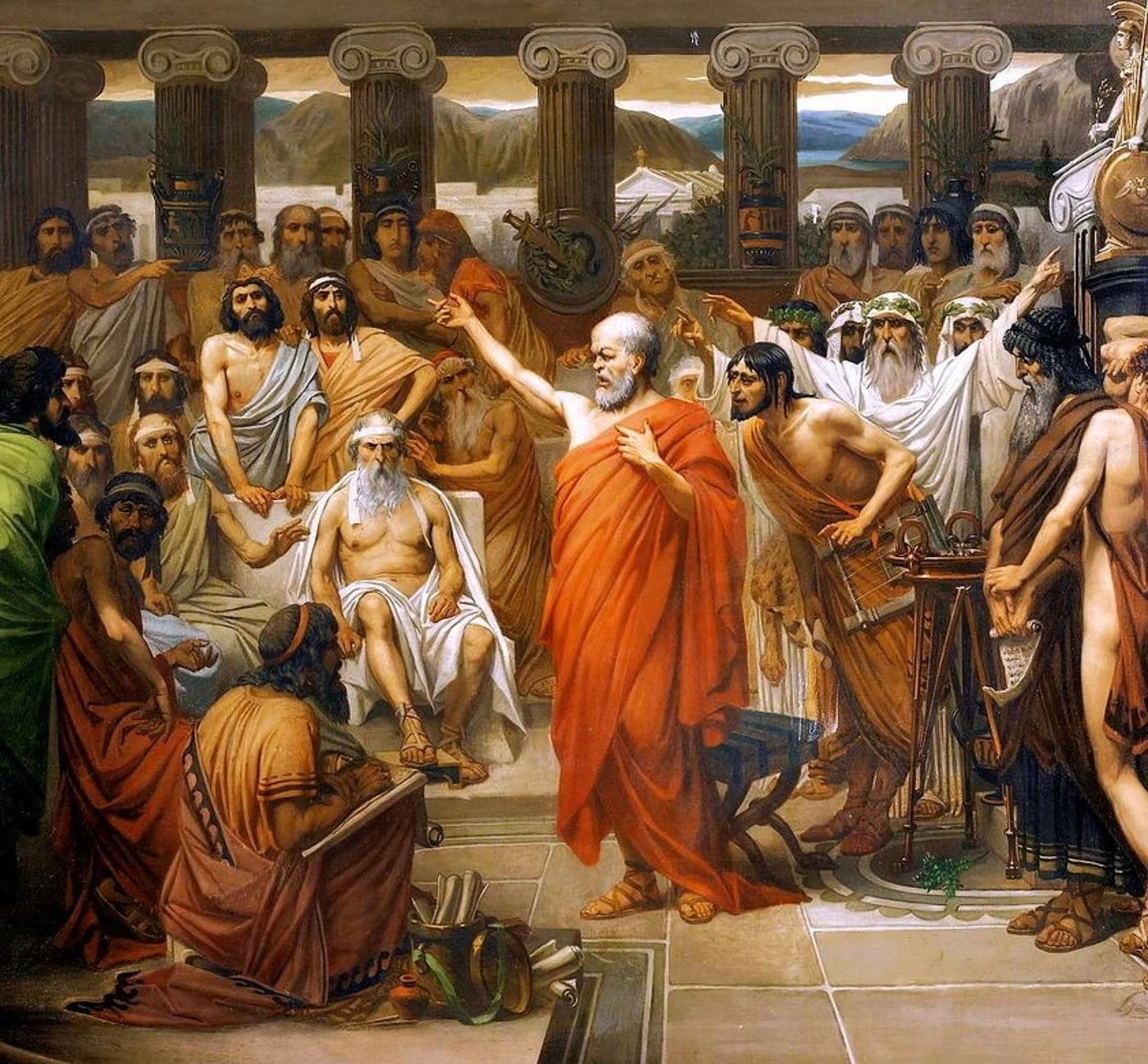
Greek theater was not merely a form of entertainment.
Drama was embedded in religious festivals and civic culture.
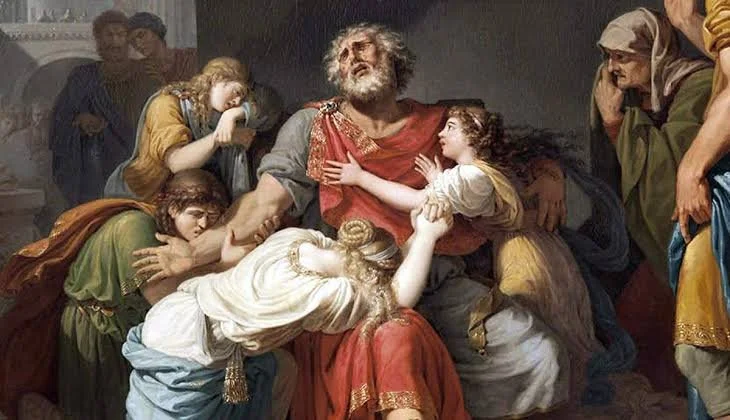
Tragedies and comedies could address questions concerning:
war;
politics;
morality;
family;
religion;
justice;
fate;
social identity.
Performance could therefore contribute to public reflection.
At Epidaurus, theater existed within a sanctuary dedicated to healing, adding another dimension to the experience.
Architecture and Audience
The seating arrangement reflects careful attention to visibility.
Spectators could observe performers from a wide range of positions.
The large capacity also demonstrates that ancient Greek theater could involve significant communal audiences.
The theater transformed performance into a shared experience.
This was important because Greek drama frequently dealt with collective questions.
An audience did not watch alone.
Thousands could respond together.
The Landscape
One of the most striking aspects of Epidaurus is the relationship between architecture and nature.
The theater is embedded within a green landscape.
The surrounding hills contribute to the visual experience.
This was not accidental.
Greek architecture frequently used natural slopes and landscapes as structural elements.
Rather than completely reshaping nature, architects often worked with it.
Polykleitos and the Theater
Ancient tradition associated the theater with the architect Polykleitos.
Pausanias, the second-century CE traveler and writer, praised the theater's beauty.
Modern scholarship continues to examine the precise construction history.
Earlier interpretations suggested multiple building phases, while later research has proposed that much of the auditorium may belong to the late fourth century BCE.
This illustrates an important principle of archaeology:
Even famous monuments continue to be reinterpreted as new evidence and methods become available.
Epidaurus and Greek Cultural Life
The sanctuary hosted festivals.
Visitors could encounter religious rituals, music, drama, athletic events, and social interactions.
This demonstrates that ancient sanctuaries were multifunctional.
A sanctuary could simultaneously serve religious, economic, political, medical, and cultural purposes.
The Theater and Modern Acoustics
Modern acoustical engineers have studied ancient Greek theaters to understand how their geometry influences sound.
The lessons can be relevant to contemporary architectural design.
But ancient architects did not necessarily possess modern mathematical acoustics.
They may have developed successful designs through accumulated practical experience.
Builders could observe what worked and reproduce effective forms.
Technical sophistication does not always require modern scientific theory.
Visiting Epidaurus
A visitor should explore both the theater and the sanctuary.
Start with the theater.
Sit in the upper seating area.
Look toward the orchestra.
Then walk through the wider archaeological complex.
The surrounding ruins help place the theater in context.
Without them, it is easy to think of Epidaurus as simply a beautiful ancient auditorium.
With them, the site becomes a window into ancient healing culture.
Why Epidaurus Matters
Epidaurus demonstrates that ancient Greek architecture was highly sophisticated.
But its importance goes beyond engineering.
The site shows how different aspects of Greek culture interacted.
Religion influenced medicine.
Festivals involved performance.
Architecture shaped communal experience.
Music and drama were part of sacred life.
Healing existed within a broader cultural system.
Conclusion
The theater at Epidaurus deserves its reputation for architectural elegance and extraordinary acoustic design.
Yet the theater becomes even more fascinating when placed within its larger environment.
It belonged to a sanctuary dedicated to healing.
Its performances formed part of Greek religious and cultural life.
Its architecture demonstrates careful control of geometry, sightlines, and sound.
Its landscape reveals how Greek builders integrated monuments into natural settings.
Epidaurus therefore represents much more than an ancient theater.
It is a reminder that the ancient Greeks did not always separate art, religion, medicine, architecture, and community life into the distinct categories familiar today.
At Epidaurus, all of these elements could exist within the same sacred landscape.