White hydrogen, also known as natural or geological hydrogen, is a naturally occurring form of hydrogen found within the Earth's crust. As a promising clean energy source, its discovery has sparked global interest. While research into its potential is still in its early stages, deposits have already been identified in various regions worldwide.
One of the most significant known reserves of white hydrogen was discovered in northeastern France, in the Lorraine region. At a depth of 1,250 meters, hydrogen concentrations reach 20%, with estimates suggesting that at 3,000 meters, this could exceed 90%. This deposit alone is believed to contain up to 46 million tons of white hydrogen—more than half of the world's annual production of gray hydrogen.
Another remarkable discovery occurred in 1987 in Bourakébougou, a village in Mali, where a chance incident led to the identification of a hydrogen deposit with 98% purity. Since 2011, this resource has been harnessed to power the village. Similar deposits have been reported in the United States, Russia, Australia, and Oman, though production remains limited and costly.
Across Europe, white hydrogen deposits have been found in countries such as Albania, Spain, Iceland, Finland, Poland, Serbia, Sweden, Norway, Ukraine, and Kosovo. In Germany, isolated hydrogen reserves exist primarily within salt formations.
In Albania, a significant white hydrogen deposit was discovered in the Bulqizë chromium mine—one of the largest sources of chromium, a key component in stainless steel production. The hydrogen was found at great depths in nearly pure form, raising hopes for its commercial extraction at a low cost.
What About Greece?
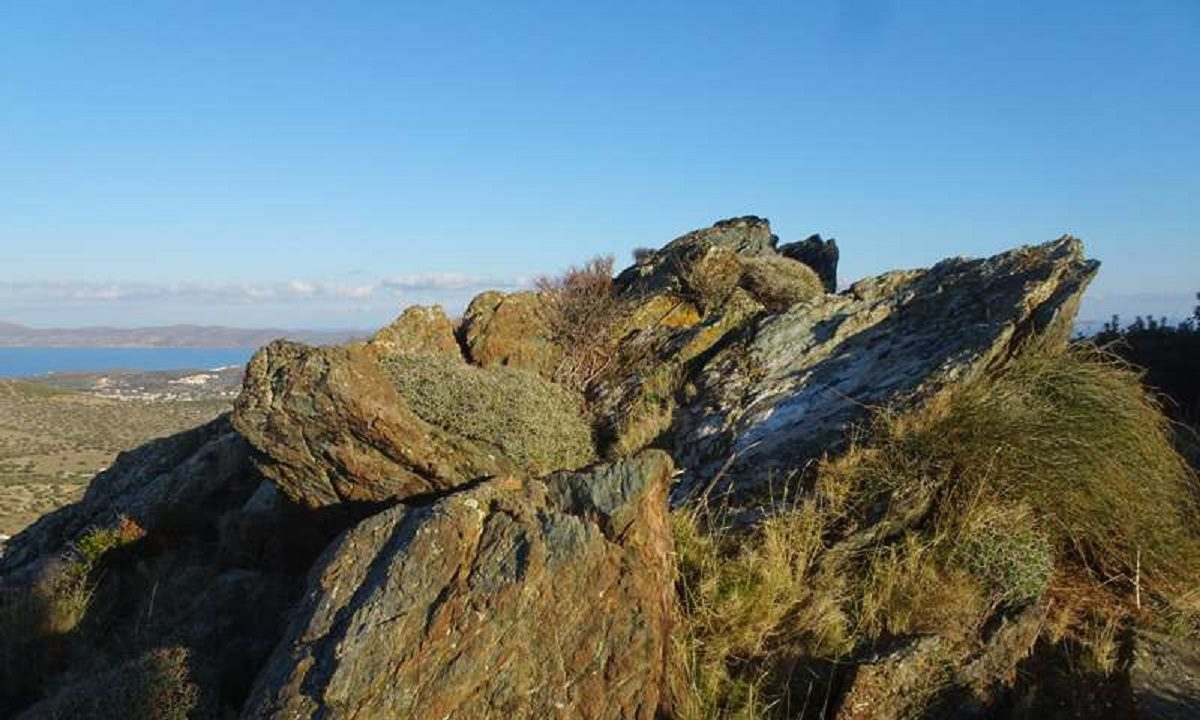
Greece’s geological landscape shares similarities with regions where white hydrogen has been discovered. Specifically, the country contains ophiolites—rock formations that originate from the Earth's mantle and have been linked to natural hydrogen production. These structures form when sections of the oceanic crust and mantle are uplifted due to tectonic activity, creating conditions favorable for hydrogen accumulation.
Ophiolite formations in Greece are widespread, mainly located in mountain ranges and tectonically active zones, including:
Mount Vermio and the Pierian Mountains (Central Macedonia)
Mount Othrys (Thessaly)
Mount Parnassus (Central Greece)
Mount Taygetos (Peloponnese)
Mount Vourinos (Western Macedonia)
The mountains of Crete (especially in the western part of the island)
Several Aegean islands, including Samos, Rhodes, and the Cyclades
While Greek ophiolites have been extensively studied for their geological significance, they have yet to be systematically explored for white hydrogen, as was done in Albania. This represents a significant opportunity for further research and potential energy development.
A Potential Game Changer
The term ophiolite comes from Greek, meaning "snake stone", named for the greenish hues of the rocks that compose these formations, such as spilites and serpentinites. Given the growing interest in white hydrogen as a sustainable energy source, Greece’s unique geology could place it on the map of future hydrogen exploration. With the right investment in research and exploration, the country might uncover its own hidden reserves of this "energy treasure"—one that could play a crucial role in the global transition to clean energy.