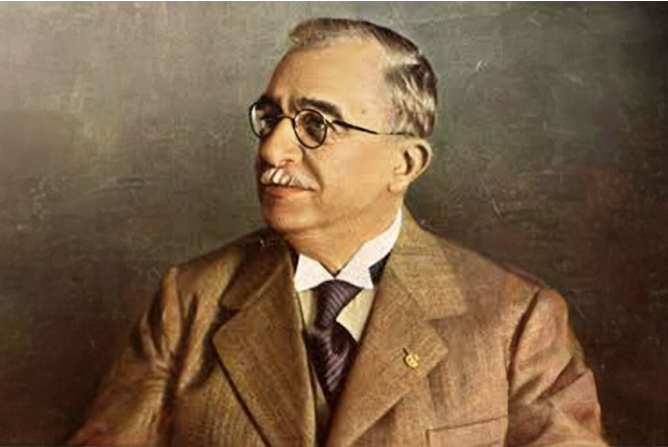
Ioannis Metaxas remains one of Greece’s most enigmatic and influential leaders, best known for his unwavering leadership during the Greco-Italian War and his historic "Oxi" (No) to Mussolini’s ultimatum. His sudden and suspicious death in January 1941 continues to fuel speculation and intrigue, as historians and researchers debate the possibility of foul play by foreign powers who sought to remove him from the political stage.
A Leader Under Pressure
As Greece stood at a critical crossroads during World War II, Metaxas faced immense pressure from both Axis and Allied forces. While he successfully repelled Mussolini’s invasion, tensions with the British escalated as Winston Churchill sought to establish greater control over Greece’s military strategy. Metaxas was wary of British intentions, fearing that their proposed military assistance would provoke a full-scale German invasion without providing adequate support for Greek defenses.
His resistance to British plans and his firm stance on Greek sovereignty led to speculation that he became a target for removal. Historical records suggest that the British Special Operations Executive (SOE) had contingency plans to overthrow him should he refuse their demands. This backdrop makes the circumstances surrounding his death all the more compelling.
The Onset of Illness
On January 18, 1941, shortly after sending a firm diplomatic rejection to Churchill regarding British military plans, Metaxas fell suddenly ill. Initially diagnosed with a tonsillar infection, his condition deteriorated rapidly despite medical intervention. A series of unexplained complications, including high fever, blood infections, and organ failure, led to his untimely passing on January 29, 1941.
Eyewitness accounts describe unusual medical treatment, including the involvement of an English doctor who allegedly administered an injection without clear authorization. The absence of an official autopsy immediately following his death has only deepened suspicions. It wasn’t until the German occupation of Greece that an Austrian pathologist, Hans Eppinger, performed an autopsy—one whose results were never made public and are believed to have been handed directly to Hitler. To this day, the findings remain a mystery.
Was Metaxas Assassinated?
Several historians argue that Metaxas may have been poisoned in a covert operation aimed at reshaping Greece’s role in the war. Ioannis Nasioulas, in his recent book The Death of Ioannis Metaxas, presents compelling evidence suggesting a slow-acting toxin may have been administered during one of his diplomatic meetings with British officials. Such a method would have ensured his removal without immediately arousing suspicion.
The theory aligns with the fate of other European leaders of the time, including Tsar Boris III of Bulgaria, who died under similarly mysterious circumstances in 1943. Given the stakes involved—Greece’s strategic position and its resistance to British influence—many believe Metaxas’s death was no mere coincidence.
A Lasting Legacy
Regardless of the true cause of his death, Ioannis Metaxas left behind a legacy of resilience and patriotism. His leadership during Greece’s darkest hours inspired a nation to stand against tyranny, and his defiance against Mussolini remains a defining moment in Greek history. His vision for Greece—centered on national sovereignty, military strength, and social stability—continues to be a topic of debate and admiration.
As new archival discoveries emerge, the mystery of Metaxas’s final days may one day be fully unraveled. Until then, he remains an enduring symbol of Greece’s unyielding spirit and determination in the face of overwhelming odds.