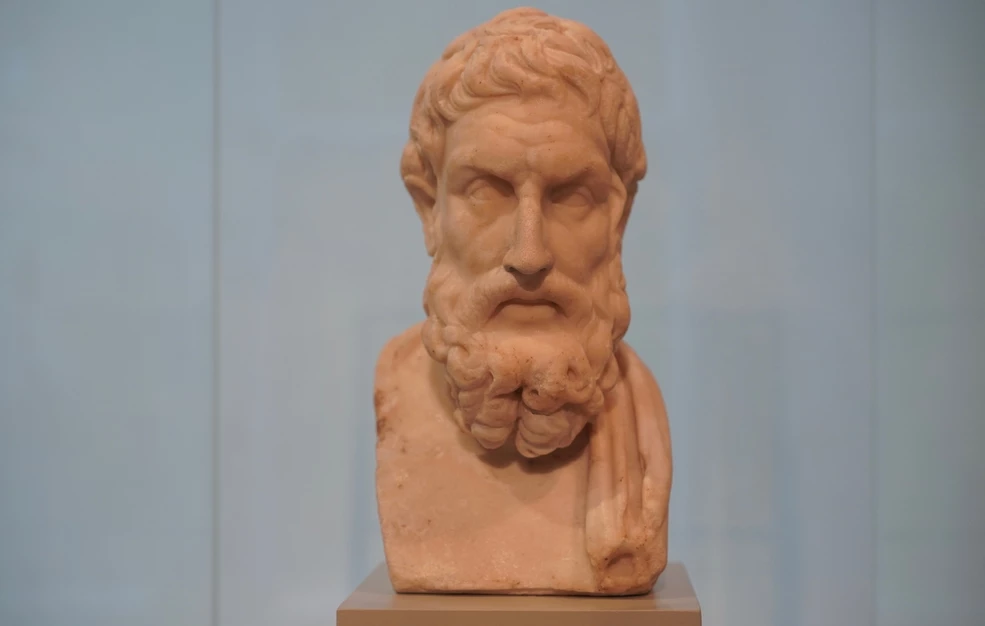
In a world increasingly consumed by stress, consumerism, and the relentless pursuit of success, the ancient wisdom of Epicurus offers a refreshing and surprisingly modern roadmap to happiness. One of the most influential philosophers of antiquity, Epicurus proposed that a truly fulfilling life is rooted not in luxury, but in simplicity, moderation, and inner peace.
What Is Epicurean Happiness?
According to Epicurus, happiness is not found in external wealth or endless ambition, but in the following three essentials:
Peace of mind – Freedom from unnecessary fears and worries.
Absence of physical pain – Maintaining a healthy and balanced life.
Satisfaction of basic needs – Enjoying the simple pleasures of life.
The greatest enemy of happiness, in Epicurus’ view, is anxiety about the future. Constant worry about what may come robs us of joy in the present. His philosophy encourages us to let go of this fear and live more intentionally in the now.
A Timeless Antidote to Modern Living
In today’s fast-paced, hyperconnected world, Epicurus’ call for restraint and reflection feels more relevant than ever. His ideas are so enduring that even modern therapists turn to them when guiding individuals toward a calmer, more balanced life.
For example, Verywell Mind, a leading mental health platform in the U.S., has featured an in-depth analysis by therapist Jodi Clarke on how Epicurean thought can serve as a tool for mental resilience. Her insights show how we can apply this ancient wisdom to tackle stress, isolation, and life’s uncertainties.
Managing Our Desires: The Epicurean Way
Epicurus identified three types of desires:
Natural and necessary – such as food, water, and shelter. These should always be fulfilled.
Natural but unnecessary – like luxury foods and indulgences. These can lead to stress if over-prioritized.
Vain and empty – like fame, power, and excessive wealth. These never truly satisfy.
By reducing our unnecessary desires and focusing on what truly matters, we can cultivate deeper contentment and mental clarity.
The “Tetrapharmakos”: Epicurus’ Four-Part Remedy
One of Epicurus’ most famous legacies is the “Tetrapharmakos”, or “Four-Part Cure,” a concise formula for living a happy life. Introduced by Epicurean philosopher Philodemus, it goes as follows:
Don’t fear the gods
Don’t worry about death – “Death is nothing to us. When we exist, death is not present, and when death is present, we no longer exist.”
What is good is easy to obtain – Basic needs are simple and accessible.
What is terrible is easy to endure – Pain is either short-lived or manageable.
This philosophical “prescription” remains an elegant guide for overcoming fear and embracing a more joyful existence.
The Power of Friendship
Unlike today’s individualistic mindset, Epicurus placed friendship at the center of a happy life. He believed that true strength and contentment come not from solitary achievement but from the support, love, and safety found in genuine relationships.
“Of all the things that wisdom provides for the happiness of a complete life, by far the most important is friendship.”
Bringing Epicurean Wisdom into Daily Life
Although Epicurus lived over 2,300 years ago, his principles are remarkably applicable today. Here’s how you can incorporate them into your routine:
Embrace Minimalism: Let go of material excess. Reducing clutter—both physical and emotional—can ease anxiety and boost emotional well-being.
Find Financial Balance: Avoid the stress of overconsumption. Happiness doesn’t require lavish spending. In fact, something enjoyable may become less satisfying if it carries a high financial cost.
Reframe Your Perspective: Focus on small, meaningful joys and practice gratitude for what you already have. Challenge societal beliefs that tie happiness to possessions and prestige. Reframe your mindset to discover fulfillment in simplicity and positivity.
Key Epicurean Quotes to Reflect On
These timeless sayings can help realign your values and spark meaningful self-reflection:
“Do not spoil what you have by desiring what you have not. Remember that what you now have was once among the things you only hoped for.”
“He who is not satisfied with a little is satisfied with nothing.”
“Of all the means to ensure happiness throughout life, the most important is the acquisition of friends.”
“Courage grows by surviving adversity.”
“Be moderate to enjoy abundance.”
From 300 BCE to Today
Epicurus (341 BCE – 270 BCE) may have lived centuries ago, but his teachings remain timeless. His philosophy champions moderation, minimalism, and mindfulness, making it perfectly suited to the modern quest for peace and purpose.
By adopting Epicurean strategies—like cognitive reframing, savoring simple pleasures, and cultivating meaningful relationships—you can find your own path to inner tranquility and lasting happiness.