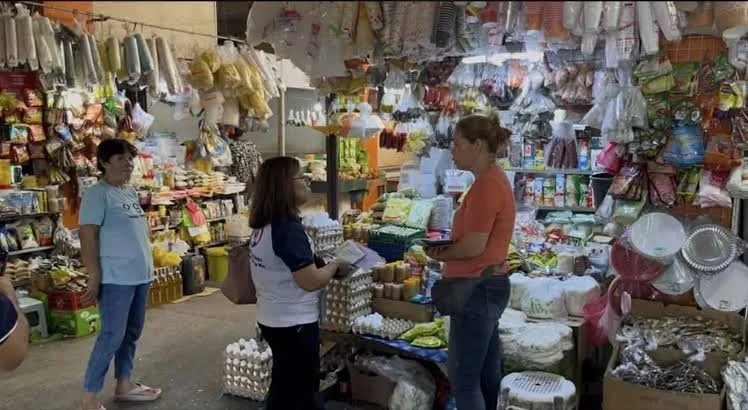
Markets have long provided places where people exchange food, tools, clothing, raw materials, and other goods. In ancient settlements, commerce did not always take place in large, formally constructed buildings. Trading could occur in open spaces, along roads, near entrances to settlements, or beside workshops and gathering places. Vendors may have used temporary shelters, simple wooden frames, tables, baskets, and portable equipment that left little evidence after the activity ended. Archaeologists investigating early market stalls must therefore reconstruct commercial spaces from indirect traces, including post-holes, hearths, discarded objects, and patterns in the distribution of artifacts.
One of the most recognizable traces of a former wooden structure is a post-hole. When a post was placed into the ground and later removed or decayed, the surrounding soil could preserve a circular or elongated feature. A series of post-holes arranged in a regular pattern may indicate the former position of a shelter, fence, or other structure. In a potential market area, such arrangements might represent stalls with wooden supports and lightweight roofs. However, post-holes occur in many settings, including houses, storage buildings, animal enclosures, and temporary camps. Their interpretation depends on their dimensions, spacing, relationships to other features, and the archaeological context in which they were discovered.
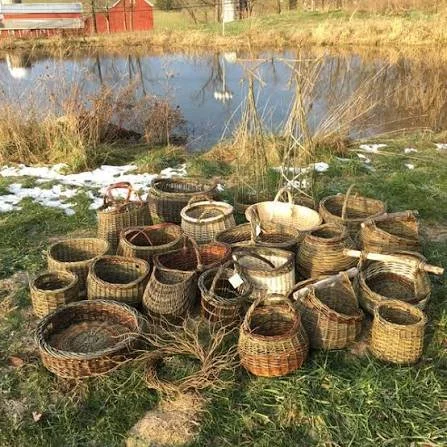
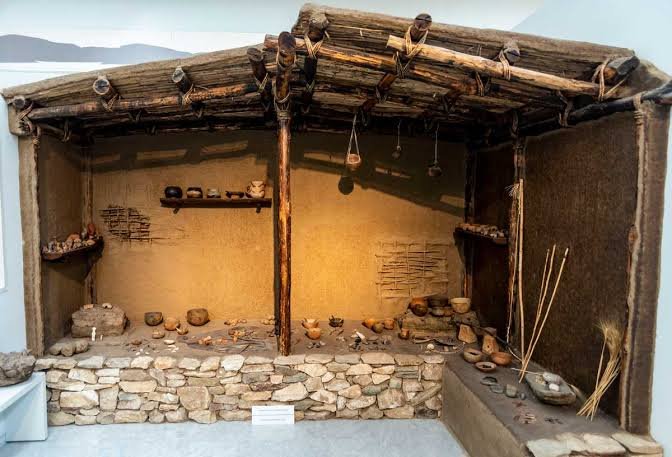
Temporary market stalls may have been built from perishable materials such as wood, reeds, branches, and woven plant fibers. These materials offered flexibility and could be repaired or replaced as needed. A vendor might have erected a simple shelter for a trading day and removed it afterward, leaving only shallow post-holes or small concentrations of discarded materials. Repeated use of the same location could gradually produce a recognizable pattern of features. Alternatively, stalls might have been established only during particular seasons, leaving little evidence between periods of activity.
The arrangement of post-holes can help researchers investigate how stalls were organized. Repeated rectangular or square patterns may suggest separate structures, while aligned features could indicate rows of stalls facing a shared path or open area. The distance between structures may have allowed customers to move through the market or provided space for animals and carts. Yet the reconstruction of a market layout is rarely straightforward. Posts may be missing, later buildings may have disturbed earlier features, and several phases of construction may overlap. A plan that appears to show a row of stalls could instead represent unrelated structures built at different times.
Hearths can provide another source of evidence, particularly where vendors prepared food or heated materials for sale. A concentration of ash, charcoal, and heat-altered soil may indicate repeated use of a fire in a particular area. If the hearth occurs near post-holes and is associated with cooking equipment, animal bones, and food residues, researchers may investigate whether the space supported food preparation or sale. However, hearths also occur in ordinary households, workshops, and temporary camps. The presence of a fire does not establish commercial activity without additional evidence.
Artifacts associated with possible market areas can reveal the kinds of goods that moved through a settlement. Pottery fragments may indicate the use of containers, while metal objects, beads, tools, and imported materials may suggest exchange or specialized production. Coins and weights can sometimes provide evidence of monetary transactions or standardized measurement, depending on the period and culture. Even so, individual objects rarely prove that a location functioned as a market. A coin may have been lost during ordinary movement, and imported pottery may have arrived through household exchange, gifts, taxation, or long-distance trade rather than a local stall.
The distribution of artifacts across an open area can be particularly informative. If particular materials are concentrated near a row of small structures, researchers may investigate whether these objects were sold, manufactured, repaired, or discarded there. Differences between adjacent areas could indicate that activities were spatially organized. One part of the site might have been associated with food preparation, while another contained evidence of craft production or the handling of livestock. However, refuse can be moved from its original location, and objects may accumulate over long periods. Archaeologists must distinguish the location where an object was used from the place where it was eventually deposited.
Small-scale commerce may have relied on more than money. Goods could be exchanged directly, offered as payment for services, distributed through household relationships, or traded through arrangements involving credit and obligation. Archaeological evidence rarely reveals the exact terms of these transactions. Nevertheless, the presence of goods from different production areas, standardized weights, or repeated patterns of exchange may help researchers investigate the economic relationships that connected a settlement to its surroundings. Market spaces could also serve social purposes by bringing together people who otherwise lived or worked in separate areas.
The relationship between markets and settlement geography is important. A trading area positioned near a settlement entrance might have been accessible to visitors without requiring them to pass through residential spaces. A market near a road, river crossing, or transport route could have attracted travelers and merchants. In other places, commerce may have occurred close to a central gathering area or alongside religious and administrative buildings. These locations could reflect convenience, authority, or the importance of trade to the wider community. However, the apparent centrality of a market must be evaluated against the historical layout of the settlement rather than its modern appearance.
Dating early market stalls requires careful examination of construction phases and associated deposits. Artifacts found within post-holes may provide information about the period when a post was installed or removed, but they may also have entered the feature later. Material beneath a floor or surface can help establish when a structure was built, while deposits above it may indicate when the area was abandoned or reused. Radiocarbon dating of suitable organic material can provide additional chronological evidence. Because temporary stalls may have been repaired frequently, one market location could contain traces of several different phases of activity.
The distinction between a market and a general gathering place is one of the central challenges in interpreting small-scale commerce. A courtyard containing food remains, pottery, and scattered coins could have been used for trading, feasting, household work, or a combination of activities. Stronger evidence emerges when architectural patterns, specialized equipment, artifact distributions, and the settlement's wider economic context point toward repeated exchange. Comparisons with documented market arrangements from related periods may help, but archaeologists should avoid assuming that every society organized commerce in the same way.
Early market stalls reveal how economic activity could take place within ordinary spaces rather than monumental commercial buildings. Their traces may be modest, consisting of shallow post-holes, small hearths, discarded materials, and repeated patterns of movement. When these clues are examined together, they can help researchers reconstruct how people created temporary trading spaces, organized goods, and interacted with customers and visitors. Although the precise details of individual transactions rarely survive, archaeological evidence can still illuminate the practical settings in which local commerce developed and became part of everyday settlement life.