Small cultivated spaces may have played an important role in prehistoric communities, particularly where suitable agricultural land was limited or where people needed convenient access to useful plants. A sheltered recess beside a rock face, within a settlement, or near a natural overhang could provide a protected environment for growing selected vegetation. Such spaces might have supported herbs, medicinal plants, edible species, or seedlings intended for later transplantation. Although the idea of prehistoric micro-gardens is attractive, identifying them archaeologically requires careful analysis because small concentrations of plant remains can also result from natural vegetation, windblown pollen, animal activity, or the disposal of plant materials.
The term micro-garden describes a small cultivated area rather than a specific ancient gardening technique. Unlike extensive agricultural fields, a micro-garden may occupy only a limited patch of soil. Its importance could come from the plants grown there rather than the amount of food produced. A small plot might provide ingredients for cooking, materials for healing practices, fragrant plants, or seeds needed for future cultivation. Sheltered spaces may have offered protection from strong winds, direct rainfall, or trampling, although the advantages would depend on local climate, sunlight, drainage, and soil conditions.
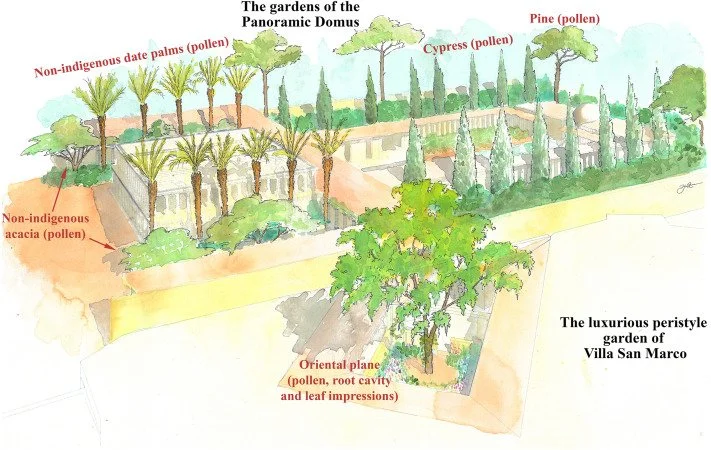
Pollen and phytoliths are among the microscopic remains that can help researchers investigate the plants present in ancient environments. Pollen grains are produced by seed plants and can sometimes survive in sediment for thousands of years. Their shapes and surface features vary between plant groups, allowing specialists to identify them to different levels of taxonomic precision. Phytoliths are microscopic silica structures formed within the tissues of many plants. They can survive after the original plant material has decayed and may preserve information about vegetation that is not represented by seeds or pollen alone.
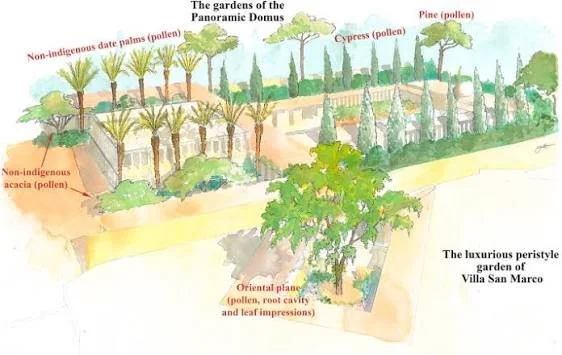
These two forms of evidence provide different kinds of information. Pollen can reveal the presence of flowering plants in the surrounding environment, but it may travel considerable distances through wind or water. Some plants produce large quantities of pollen that spread widely, while others produce less or rely on different methods of pollination. A pollen grain found in a sheltered recess may therefore have originated from a plant growing nearby or from vegetation much farther away. Its presence alone does not prove that the plant was cultivated within the recess.
Phytoliths can sometimes provide more localized evidence because they may remain in the soil where plant tissues decomposed or were burned. However, phytoliths are not equally abundant in all plant species, and some forms are difficult to distinguish between related plants. Their distribution can also be altered by soil movement, water, animals, and human activity. Researchers must therefore understand the strengths and limitations of each type of botanical evidence before using it to reconstruct ancient gardening.
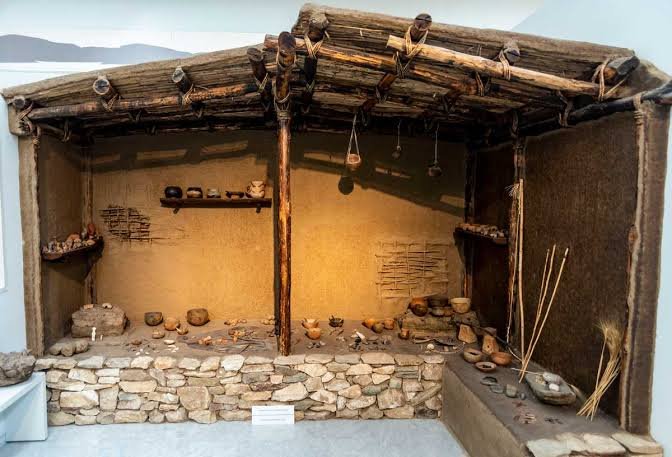
The identification of a possible micro-garden begins with examining the physical characteristics of the site. A sheltered recess may contain a small accumulation of soil, traces of deliberate modification, or evidence of repeated human activity. Archaeologists might investigate whether the ground was levelled, whether stones were arranged to retain soil, or whether a small boundary separated the area from its surroundings. These features could be consistent with cultivation, but they might also have served other purposes, such as drainage, storage, or protection from erosion.
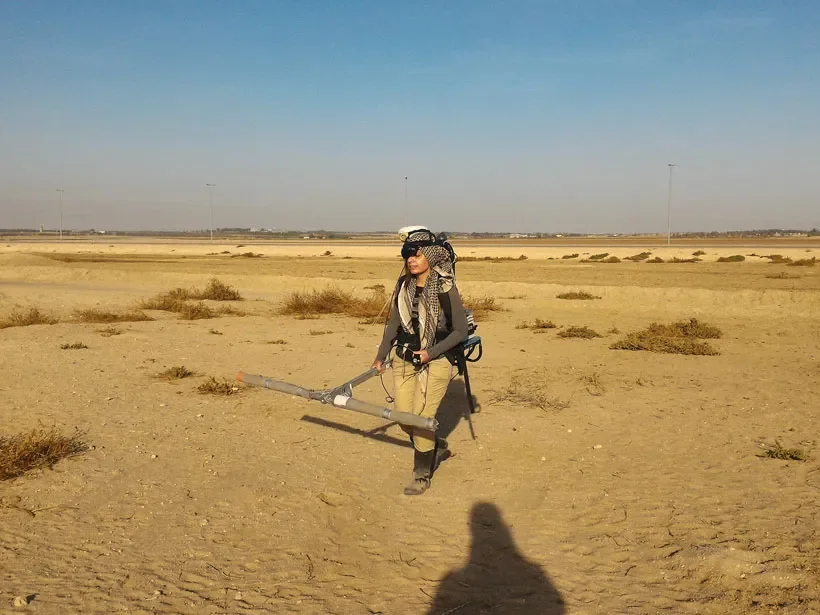
Soil sampling is essential for investigating the botanical evidence. Researchers may collect samples from different depths and locations within the suspected garden area, as well as from nearby control locations. This comparison helps determine whether the plant remains are unusually concentrated in the recess or simply reflect the vegetation of the wider landscape. A pattern that occurs only in a particular layer may indicate a specific period of activity, while a more uniform distribution could reflect natural deposition over a long time. The position of each sample must be recorded carefully because mixing between layers can obscure the original sequence.
Pollen profiles can reveal changes in vegetation through time. A shift from one group of plants to another might reflect changes in climate, land clearance, cultivation, or the intensity of human occupation. If pollen from useful plants becomes unusually concentrated within a small area, researchers may investigate whether the pattern is compatible with deliberate planting or repeated handling. However, pollen concentration can also be affected by preservation conditions and the way water or wind transported grains into the deposit. A convincing interpretation requires more than the presence of a few grains from a potentially useful species.
Phytolith analysis may add further detail, especially when combined with other botanical remains. Certain grasses and other plants produce characteristic phytolith forms that can help researchers investigate which types of vegetation were present. Concentrations of phytoliths associated with particular plant groups may indicate the accumulation of plant materials through harvesting, food preparation, animal bedding, or other activities. If a sheltered recess contains evidence consistent with repeated cultivation, phytoliths may contribute to the interpretation. Yet the same pattern could result from stored plant materials or discarded vegetation, so the archaeological context remains essential.
Seeds, fruit stones, charcoal, and plant fibers can provide additional evidence. A concentration of seeds from edible plants may indicate food processing or storage, while the remains of cultivated species may suggest that people brought harvested plants into the shelter. If several plant types occur together in a pattern inconsistent with the surrounding natural vegetation, researchers may investigate whether people deliberately maintained a diverse group of useful species. Still, the remains of plants used for food do not necessarily indicate that they were grown at the site. They could have been gathered or imported from elsewhere.
Water management and soil preparation are also important considerations. A small garden requires sufficient moisture, but excessive water can damage roots or wash away soil. People may have taken advantage of natural drainage, redirected small amounts of water, or used organic material to improve the growing conditions. Archaeological traces of such practices may be subtle. Small channels, compacted surfaces, or changes in sediment composition could be relevant, although each feature must be evaluated against natural processes. In some cases, the absence of visible structures does not rule out gardening because cultivation may have required little permanent modification.
The location of a micro-garden within a settlement could reveal how people organized access to useful plants. A plot close to a dwelling might have allowed residents to gather herbs or other plants quickly. A sheltered area farther from houses might have been chosen because it received more sunlight or offered better protection from animals. The plants themselves could have served practical and cultural purposes, and some might have been maintained because of their medicinal, symbolic, or culinary value. However, assigning a specific function to a garden requires evidence beyond the modern uses of the plants identified.
Chronology is especially important because a single sheltered recess may have been used repeatedly for different purposes. One layer might contain traces of cultivation, while a later layer reflects storage, cooking, or natural vegetation. Radiocarbon dating of suitable organic material may help establish when particular deposits formed, while stratigraphic relationships can reveal the sequence of changes. Pollen and phytoliths often provide relative environmental information rather than precise dates, so their interpretation benefits from association with independently dated archaeological layers.
Prehistoric micro-gardens remain difficult to identify because their physical scale was small and many of the materials involved were biodegradable. Nevertheless, the combination of pollen, phytoliths, seeds, soil analysis, and evidence of landscape modification can help researchers investigate whether people cultivated plants in sheltered spaces. The most reliable reconstructions distinguish between plants that were simply present, plants that were collected or stored, and plants that were deliberately grown. Through careful sampling and comparison with the surrounding environment, archaeologists can explore how small cultivated spaces may have supported food production, plant knowledge, and everyday life in prehistoric communities.