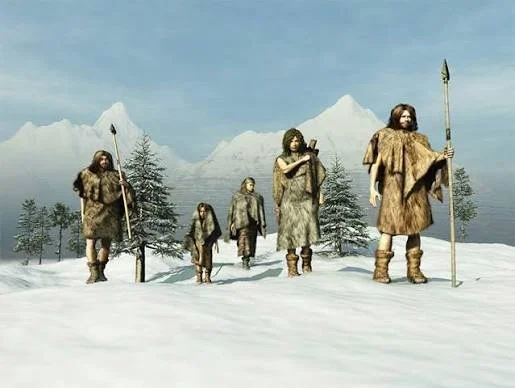
In high-latitude environments, seasonal ice can transform the landscape and influence how people travel, hunt, and obtain food. Frozen rivers, lakes, coastal waters, and snow-covered ground may create opportunities that are unavailable during warmer months. For communities living in these regions, successful hunting often depended on understanding animal movements, weather patterns, ice conditions, and the changing accessibility of prey. Archaeological research into ice-season hunting drives examines how people may have organized collective hunting activities during cold periods and what material evidence remains of these practices.
A hunting drive generally involves influencing the movement of animals so that they travel toward a location where hunters can intercept them. Depending on the species and landscape, people may have used natural barriers, constructed features, coordinated movement, or other methods to direct animals. Ice can alter the available routes for both humans and animals, creating narrow passages or predictable crossing points. In some environments, frozen surfaces may also allow hunters to reach areas that would be difficult or dangerous to access during the open-water season. However, the usefulness of ice varies widely, and the conditions that make hunting possible can also introduce serious risks.
High-latitude communities developed diverse ways of responding to cold environments. Their subsistence strategies depended on local animal populations, available plant resources, coastal conditions, and the timing of seasonal changes. Some groups relied heavily on marine mammals, while others hunted terrestrial animals, fish, or a combination of species. Hunting drives should therefore not be treated as a universal feature of northern life. Their presence must be demonstrated through evidence appropriate to the region and the species being hunted.
The archaeological remains of a hunting drive may be difficult to recognize. Possible evidence includes lines of stones, low walls, wooden structures, corrals, or arrangements of features positioned along a natural route. Some installations may have helped guide animals toward hunters, while others could have served unrelated purposes such as protecting camps, managing livestock, or marking boundaries. Natural formations can also resemble deliberate structures, particularly in rocky or glaciated landscapes. Researchers must examine construction methods, spatial patterns, and the relationship between features and local terrain before identifying a site as a hunting installation.
Landscape reconstruction is particularly important because the environment may have changed significantly since the period of use. Glaciers can advance or retreat, coastlines can shift, and river channels can change course. Sea ice and lake ice are influenced by temperature, currents, snowfall, and local geography. A route that appears unsuitable for hunting today may have offered different opportunities in the past, while a site currently close to water may once have been situated farther inland. Archaeologists combine geological evidence, sediment records, historical climate information, and ecological reconstruction to estimate what the landscape may have looked like when the site was occupied.
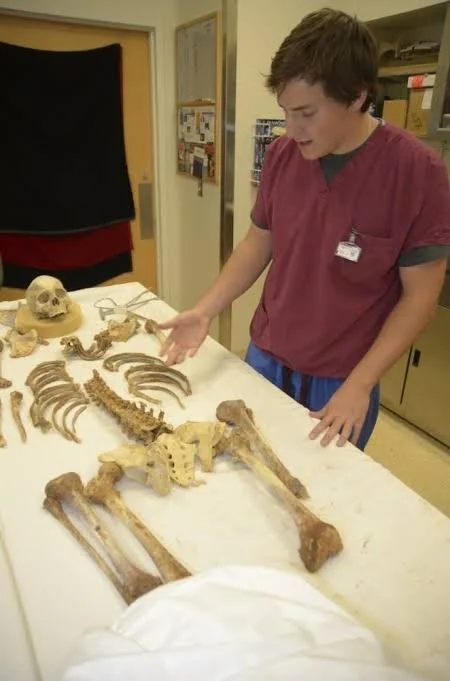
Animal remains can help establish whether hunting took place nearby. The species represented in an assemblage may indicate the types of prey available to a community, while the age and size of the animals can contribute to understanding hunting practices. Cut marks, impact damage, and patterns of bone fragmentation may reveal how carcasses were processed. A concentration of remains from a particular species could reflect a successful hunt, but it might also represent repeated hunting over many seasons or the accumulation of bones from several locations. The number of animals represented must be estimated carefully rather than inferred from the total number of fragments.
The seasonal timing of hunting can sometimes be investigated through biological evidence. The age and development of young animals may help identify when they were killed, while growth patterns in certain teeth and bones may provide clues about the season of death. Some species migrate or gather in particular areas at predictable times, making their remains relevant to reconstructing seasonal activity. Isotopic analysis may provide additional information about diet and habitat, although its ability to identify a precise season depends on the material and species involved. No single biological indicator is likely to provide a complete answer.
Ice conditions can also shape the organization of hunting activities. Stable ice may allow people to move equipment, approach prey, or transport carcasses across frozen surfaces. Snowdrifts and ridges can influence animal movement, while openings in the ice may concentrate animals in particular locations. However, ice is never entirely predictable. Changes in temperature, currents, wind, and snowfall can weaken frozen surfaces or make routes inaccessible. Archaeological evidence of hunting structures may reveal where people intended to intercept animals, but it cannot automatically establish the exact ice conditions on the day a hunt occurred.
The construction and maintenance of hunting installations could require cooperation. If a drive involved several hunters working together, participants may have needed to coordinate their movements, understand the terrain, and communicate effectively. Some features may have been reused across many seasons, while others could have been temporary arrangements made for a particular hunt. Repeated repairs or rebuilding may indicate long-term use, although similar patterns could arise from unrelated activities at the same location. Archaeologists must distinguish the existence of a structure from the social organization required to use it.
Food processing and storage are also relevant to the study of ice-season hunting. A successful hunt could provide more meat than a household could consume immediately, creating a need for preservation, distribution, or transport. Cold conditions can slow the decomposition of animal products, but they do not guarantee preservation throughout the year. Communities may have relied on drying, smoking, freezing, or other methods depending on local conditions and available materials. Evidence of storage areas, processing tools, hearths, or repeated occupation may help researchers understand how the products of hunting were managed after the animals were killed.
The distribution of camps and activity areas can reveal how hunters moved through a seasonal landscape. A temporary camp near a crossing point may have supported a short period of hunting, while a larger settlement could have served as a base for repeated expeditions. The presence of tools, hearths, and food remains may help distinguish brief visits from longer stays. However, the absence of substantial structures does not necessarily mean that a location was unimportant. Temporary camps can leave limited traces, especially in environments where erosion, freeze-thaw cycles, and later glacial activity have disturbed the archaeological record.
Dating high-latitude hunting sites can present additional challenges. Organic materials may be preserved in frozen or waterlogged conditions, but their survival is uneven. Radiocarbon dating can help establish when suitable remains were deposited, although the relationship between a dated sample and a particular hunting event must be demonstrated. Marine organisms and animals that consume marine food may be affected by reservoir effects, potentially making their radiocarbon ages appear older than expected. Researchers must account for these influences and compare dates with stratigraphic and environmental evidence.
Archaeological research into ice-season hunting drives can reveal how communities adapted their strategies to changing landscapes and seasonal opportunities. The most persuasive interpretations combine evidence from hunting structures, animal remains, biological seasonality, environmental reconstruction, and settlement patterns. They also recognize that the same landscape could have been used in different ways by different communities and that natural features may resemble human-made installations. By carefully distinguishing direct evidence from plausible reconstruction, archaeologists can investigate how people in high-latitude regions understood ice, followed animal movements, organized collective hunts, and managed the resources obtained during the coldest parts of the year.