• Home page/Blog
    • Ancient Greece
    • Archaeology
    • Mythology
    • Architecture
    • Artefact
    • Inventions
    • Tourism
    • News
    • Science
    • General
    • Weird
    • Recipes
    • Blog
  • About
  • Contact
Menu

GHD

  • Home page/Blog
  • History
    • Ancient Greece
    • Archaeology
    • Mythology
  • Art
    • Architecture
    • Artefact
    • Inventions
  • Travel
    • Tourism
  • Other
    • News
    • Science
    • General
    • Weird
    • Recipes
    • Blog
  • About
  • Contact
No results found

Arvanite Oath Stones in Attica Highland Groves

November 22, 2026

Arvanite communities in Attica have maintained distinctive linguistic, social, and musical traditions. Their historical presence is reflected in village organization, family networks, oral poetry, and communal celebrations. In some communities, public gatherings and shared customs helped establish social expectations and reinforce relationships between families.

The idea of an “oath stone” suggests a physical object used as a witness to a promise, agreement, or declaration. Stones have served symbolic roles in many societies because of their association with permanence, stability, and the land. A stone placed in a grove or at a communal meeting point could, in principle, become associated with an agreement or local memory. Yet a specific, established Arvanite custom of oath stones in Attica’s highland groves cannot be confirmed from the general ethnographic evidence available.

A more reliable approach is to examine the broader social importance of oaths, reputation, kinship, and public accountability. In traditional village settings, agreements could be reinforced through witnesses, family authority, religious observances, and communal recognition. Oral accounts of such practices may later become attached to particular landmarks.

Arvanite sociability in communities around Mount Kithairon, for example, has been studied through public gatherings, songs, and dancing. These occasions allowed people to communicate social criticism, express relationships, and maintain community ties.

biblioteca-digitala.ro

Further investigation of the proposed oath stones would require local interviews, place-name research, archival records, and archaeological examination. Without such evidence, the title is best treated as a research question rather than proof of a documented ritual.
← Vlach Transhumance Songs in Grammos MeadowsSarakatsani Loom Patterns from Vikos Tents →
Featured
image_2026-11-16_203011780.png
November 22, 2026
Archaic Tripods from Pella Satellite Shrines
November 22, 2026
Read more →
November 22, 2026
image_2026-11-16_204332119.png
November 22, 2026
Venetian Trade Seals in Naousa Cellars
November 22, 2026
Read more →
November 22, 2026
image_2026-11-16_204443029.png
November 22, 2026
Venetian Trade Seals in Naousa Cellars
November 22, 2026
Read more →
November 22, 2026
image_2026-11-16_204528092.png
November 22, 2026
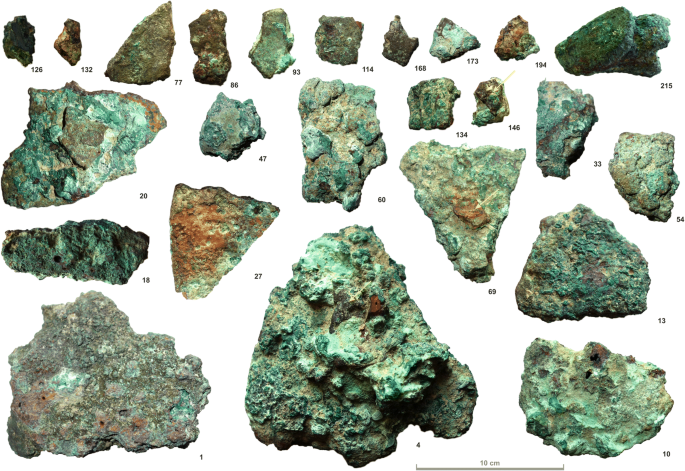
Bronze Age Copper Slags Near Chalkidiki Mines
November 22, 2026
Read more →
November 22, 2026
image_2026-11-16_204626612.png
November 22, 2026
Roman Legion Camps in Servia Valley
November 22, 2026
Read more →
November 22, 2026
image_2026-11-16_204712974.png
November 22, 2026
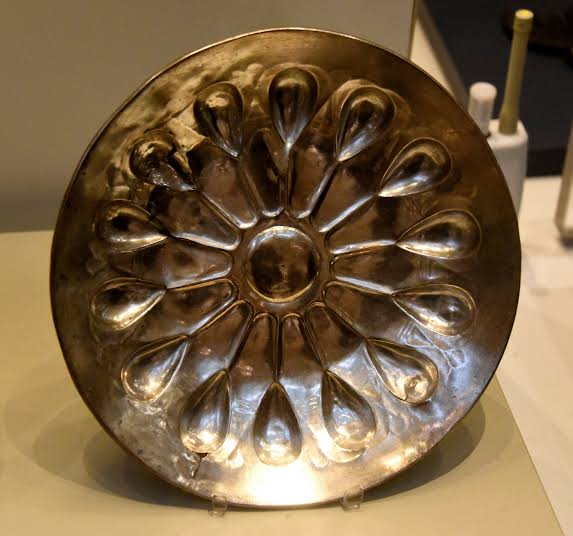
Epirote Silver Bowls in Ohrid Border Tombs
November 22, 2026
Read more →
November 22, 2026
image_2026-11-16_204802359.png
November 22, 2026
Byzantine Cloister Gardens in Meteora Foothills
November 22, 2026
Read more →
November 22, 2026
image_2026-11-16_204900598.png
November 22, 2026
Hellenistic Lyres from Dion Music Graves
November 22, 2026
Read more →
November 22, 2026
SEE MORE

Powered by ©GreeceHighDefinition / Privacy Policy