• Home page/Blog
    • Ancient Greece
    • Archaeology
    • Mythology
    • Architecture
    • Artefact
    • Inventions
    • Tourism
    • News
    • Science
    • General
    • Weird
    • Recipes
    • Blog
  • About
  • Contact
Menu

GHD

  • Home page/Blog
  • History
    • Ancient Greece
    • Archaeology
    • Mythology
  • Art
    • Architecture
    • Artefact
    • Inventions
  • Travel
    • Tourism
  • Other
    • News
    • Science
    • General
    • Weird
    • Recipes
    • Blog
  • About
  • Contact
No results found

Vlach Transhumance Songs in Grammos Meadows

November 22, 2026

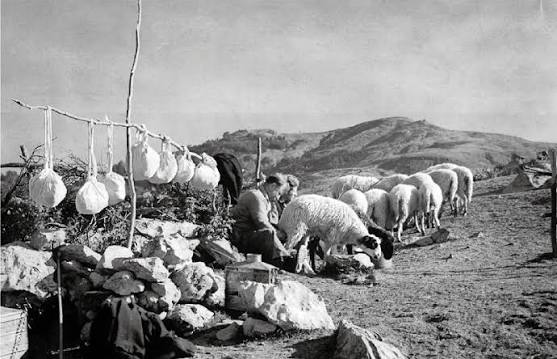
Vlach communities of the Pindus and Grammos mountain regions have long been associated with seasonal pastoral movement. Transhumance involved moving livestock between lowland winter pastures and highland summer grazing grounds. These journeys shaped work routines, family organization, settlement patterns, and the musical traditions of pastoral communities.

Songs connected with herding and seasonal movement could accompany long journeys, evening gatherings, courtship, celebrations, and communal work. In the wider Vlach musical tradition, polyphonic singing is especially significant. Different vocal parts may overlap or move in parallel, creating a dense communal sound rather than emphasizing a single performer. Regional styles vary, and the Grammostian Vlach tradition has been discussed as having distinctive musical structures.

polyphonic.gr+1

The meadow landscape is important to understanding these songs. Open grazing areas, mountain paths, temporary shelters, and isolated settlements provided settings in which songs could be shared and transmitted. Lyrics might express longing for home, affection for family, the hardships of travel, or the beauty of the mountains. However, it would be inaccurate to claim that every song associated with Vlach pastoral life originated specifically in the Grammos meadows. Songs circulated between communities and were adapted over time.

The study of these songs therefore requires attention to both music and mobility. Researchers can compare lyrics, melodies, language, performance settings, and oral histories to understand how seasonal herding shaped musical expression. The songs are not merely entertainment; they are part of the cultural memory of communities whose lives were closely connected to mountain environments.

← Byzantine Anchor Chains in Skyros GulfArvanite Oath Stones in Attica Highland Groves →
Featured
image_2026-11-16_203011780.png
November 22, 2026
Archaic Tripods from Pella Satellite Shrines
November 22, 2026
Read more →
November 22, 2026
image_2026-11-16_204332119.png
November 22, 2026
Venetian Trade Seals in Naousa Cellars
November 22, 2026
Read more →
November 22, 2026
image_2026-11-16_204443029.png
November 22, 2026
Venetian Trade Seals in Naousa Cellars
November 22, 2026
Read more →
November 22, 2026
image_2026-11-16_204528092.png
November 22, 2026
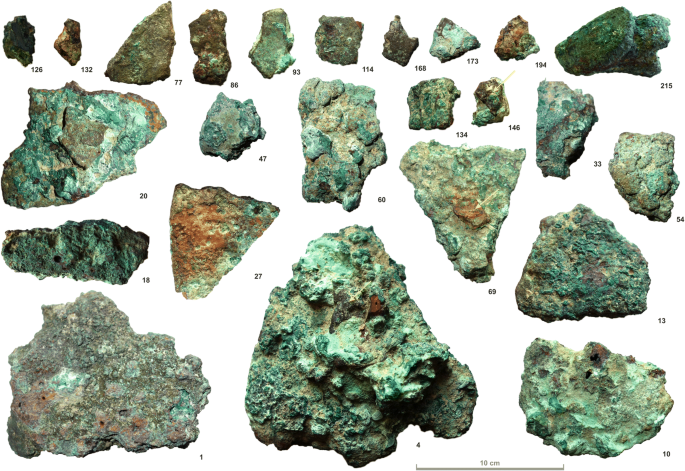
Bronze Age Copper Slags Near Chalkidiki Mines
November 22, 2026
Read more →
November 22, 2026
image_2026-11-16_204626612.png
November 22, 2026
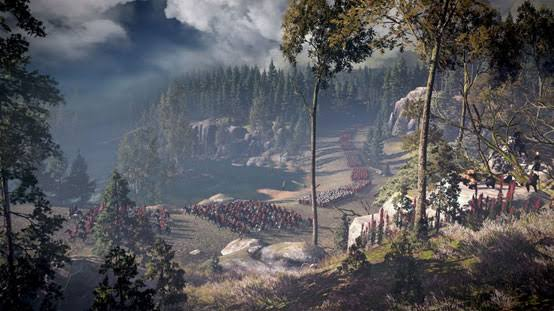
Roman Legion Camps in Servia Valley
November 22, 2026
Read more →
November 22, 2026
image_2026-11-16_204712974.png
November 22, 2026
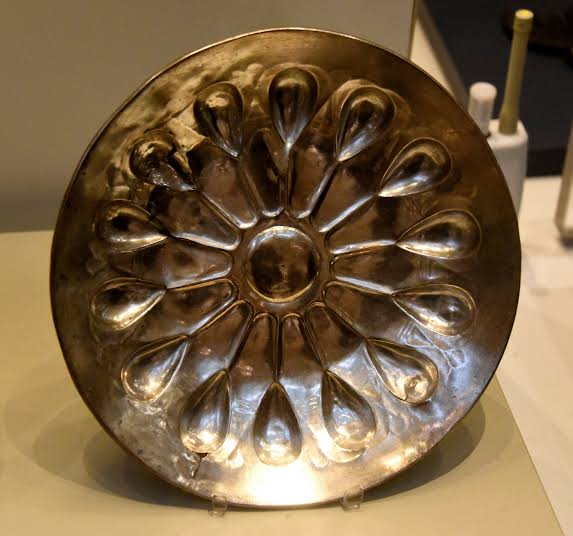
Epirote Silver Bowls in Ohrid Border Tombs
November 22, 2026
Read more →
November 22, 2026
image_2026-11-16_204802359.png
November 22, 2026
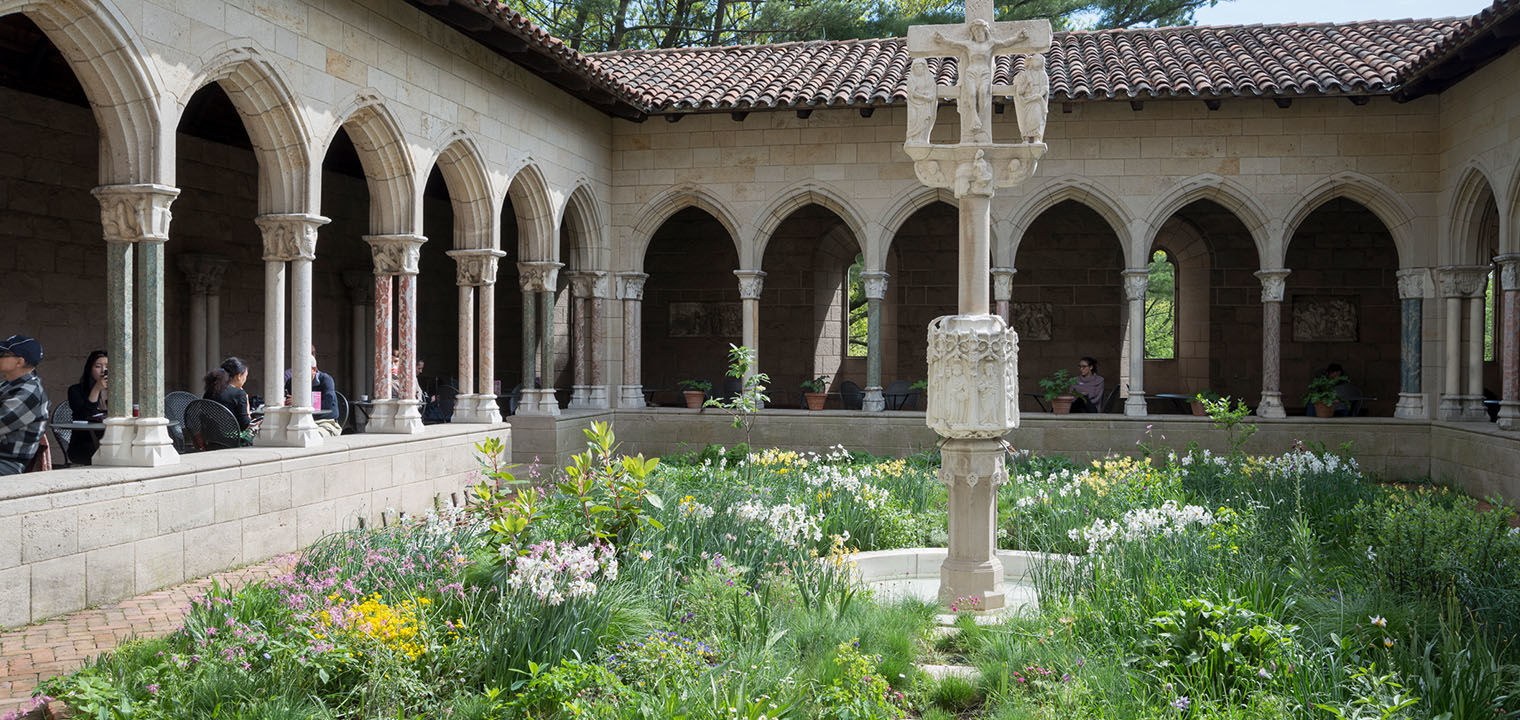
Byzantine Cloister Gardens in Meteora Foothills
November 22, 2026
Read more →
November 22, 2026
image_2026-11-16_204900598.png
November 22, 2026
Hellenistic Lyres from Dion Music Graves
November 22, 2026
Read more →
November 22, 2026
SEE MORE

Powered by ©GreeceHighDefinition / Privacy Policy