Orphic traditions in ancient Greece were associated with religious poetry, purification, the afterlife, and ideas about the soul. They are known through a diverse collection of literary references, ritual objects, inscriptions, and texts that do not always present a single unified system of belief.
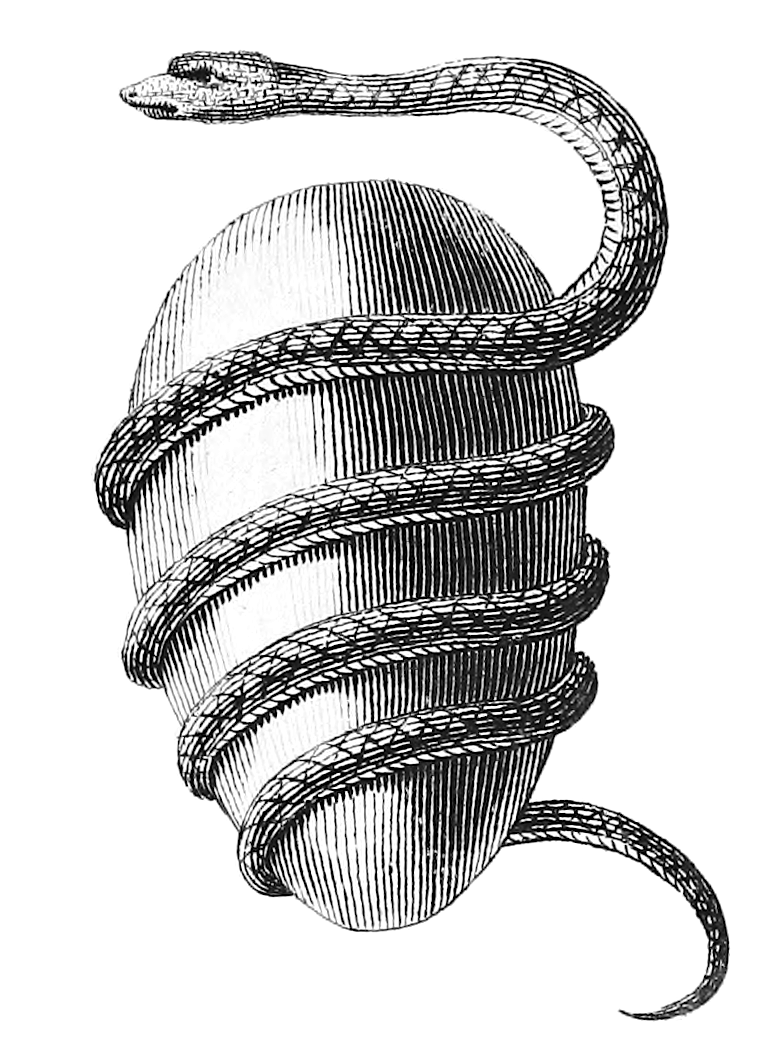
The egg is an important symbol in some Orphic and related cosmological traditions. It can represent the origin of life and the emergence of the cosmos. In certain ancient religious imagery, the cosmic egg is associated with the beginning of creation and the appearance of a divine figure. This symbolism appears in later accounts of Orphic cosmology, although the details vary between sources.
Thebes in Boeotia had a significant religious and mythological landscape, but a specific archaeological complex of “Orphic egg rites” on the outskirts of the city cannot be confirmed from the general evidence available. The title may combine broader Orphic symbolism with the religious history of Boeotia.
A careful study would examine literary references to Orphic cosmology, funerary inscriptions, gold tablets associated with afterlife beliefs, and archaeological contexts in which egg imagery or related ritual objects appear. Researchers should avoid treating every egg-shaped object as evidence of an Orphic ceremony.
The subject is valuable because it provides an opportunity to study ancient ideas about creation, death, rebirth, and the destiny of the soul. It also demonstrates the importance of distinguishing a religious symbol from evidence of a specific local ritual.