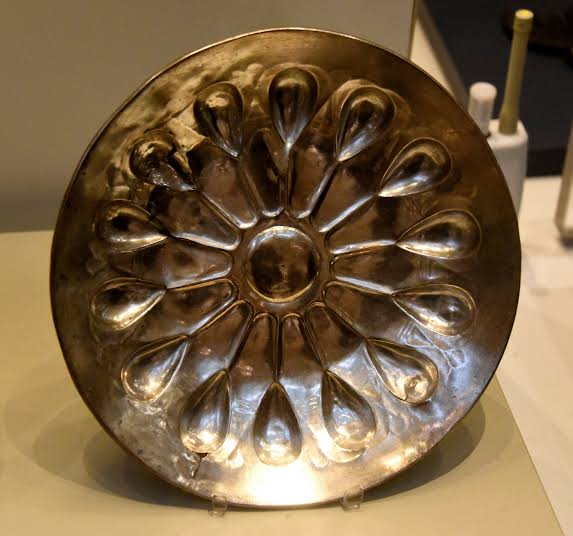
Samos was an important center of worship of Hera in antiquity. The Heraion of Samos, located near the coast, became one of the major sanctuaries of the ancient Greek world. Archaeological remains demonstrate the scale and importance of the sanctuary, including monumental architectural phases, votive offerings, and objects dedicated to the goddess.
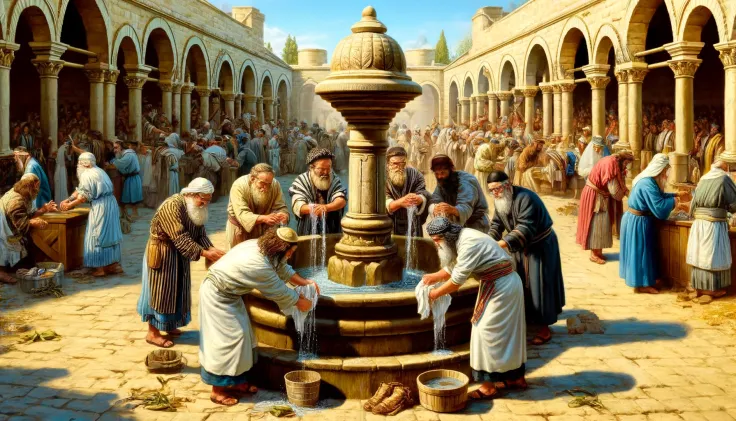
Water was important in ancient religious practice. Springs, rivers, wells, and other water sources could be associated with purification and ritual preparation. Bathing and washing also had symbolic significance in various Greek religious contexts. Such practices should be considered within their specific historical and ritual settings.
The title’s reference to “Hera bath ceremonies in village wells” suggests a local tradition connecting the goddess with water rituals. However, a specific ceremony involving village wells on Samos cannot be established without direct textual, archaeological, or ethnographic evidence. It would be misleading to assume that ancient worshippers regularly performed a standardized bathing ritual at every local well.
A more reliable study would examine the relationship between the Heraion, water sources, purification practices, and the wider sacred geography of Samos. It could also explore how later communities remembered Hera through place names, local stories, and religious customs.
The distinction between ancient worship and modern village folklore is especially important. A local story may preserve the memory of a sacred place, but it does not automatically prove continuity from antiquity. The subject offers a useful way to investigate how sacred landscapes and water symbolism shaped religious identity over time.