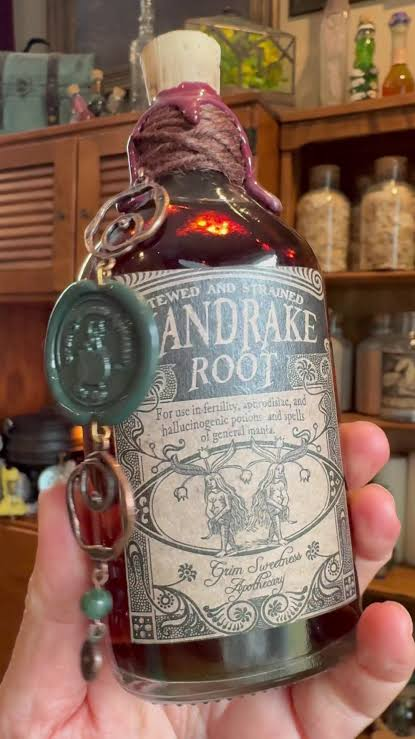
Mandrake is a plant with a long history in Mediterranean folklore and traditional medicine. Its unusual root shape contributed to beliefs that it possessed special powers, while ancient and later writers associated it with sleep, fertility, protection, and magical practices.
The plant contains biologically active compounds that can be toxic. Historical accounts of mandrake therefore combine medicinal knowledge, symbolic interpretations, and stories about danger. Its reputation developed through centuries of literary and folk traditions, and its use was not limited to one Greek island.
The reference to Chios and its northern beaches suggests a localized tradition, but a specific history of mandrake potions from that area cannot be confirmed without local ethnographic records or historical documentation. The title should therefore be understood as a topic for investigation rather than an established description of Chian practice.
A cultural study could explore how mandrake appeared in Greek folk medicine, how its appearance influenced legends, and how plant knowledge was transmitted between households. It could compare Chian oral accounts with wider Mediterranean traditions and examine whether local place names or stories connect the plant with particular landscapes.
The subject also requires a clear safety distinction. Mandrake should not be prepared, consumed, or used as a home remedy. Its compounds can cause serious poisoning, and traditional stories are not evidence of safe or effective treatment.
The wider significance of mandrake folklore lies in the relationship between botanical knowledge, fear, healing beliefs, and the human tendency to assign symbolic meaning to unusual plants.