Material Culture and Social Organization
The ten topics demonstrate how archaeological objects can contribute to understanding the organization of past societies. Textiles, tripods, trade seals, metalworking waste, military equipment, silver vessels, gardens, musical instruments, stone axes, and siege technology represent different aspects of human activity.
These materials provide evidence of production, consumption, exchange, religious practice, warfare, and social identity. Their interpretation becomes more meaningful when they are studied within their archaeological contexts rather than as isolated objects.
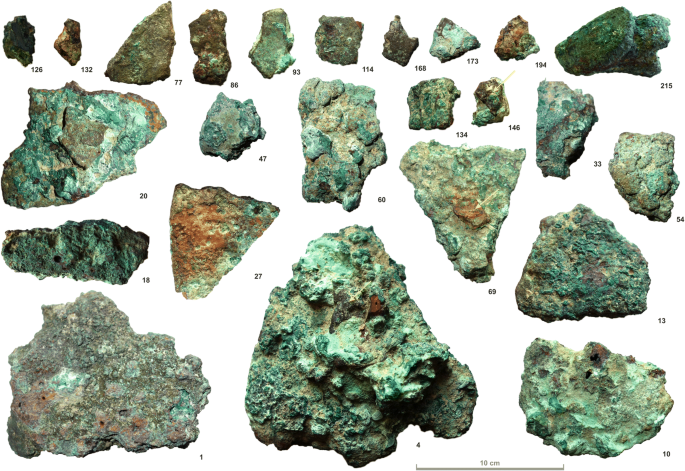
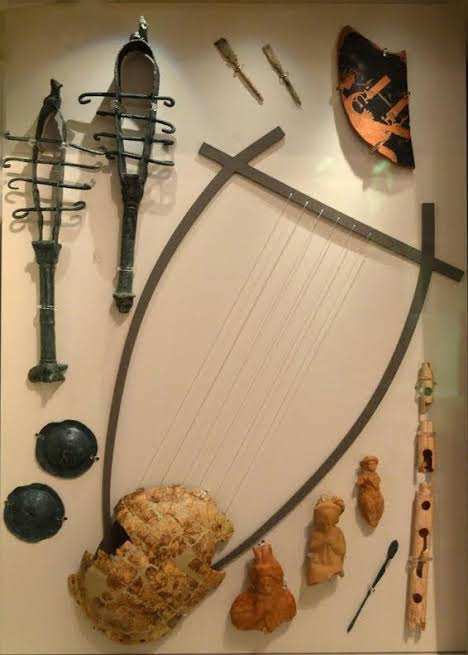
Textiles and musical instruments, for example, may reveal aspects of personal identity and funerary customs. Tripods and silver vessels can provide information about ritual activity and social prestige. Copper slags and stone axes contribute to understanding technological development and resource use.
Trade and Cultural Interaction
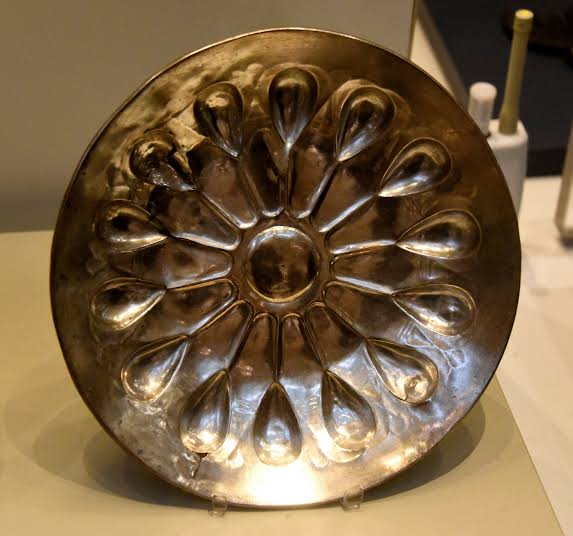
Several topics highlight the importance of exchange networks in the ancient and medieval Balkans. Trade seals may reveal commercial relationships, while silver vessels and distinctive stone tools may provide evidence of the movement of objects between communities.
Cultural interaction did not always involve direct contact between distant regions. Goods could pass through several intermediaries before reaching their final destination. Similarly, artistic styles and technical knowledge could spread through migration, apprenticeship, political relationships, and local imitation.
The study of imported objects must therefore consider multiple possible explanations for their presence. An object may have been traded, gifted, reused, inherited, or brought by an individual moving between regions.
Technology and Specialized Production
The topics involving copper slag, silver bowls, polished stone axes, tripods, and siege equipment demonstrate the importance of technical knowledge in historical development.
Metalworking required the understanding of raw materials, temperature, tools, and manufacturing processes. Stone-tool production involved the selection and controlled modification of suitable materials. Military engineering required knowledge of construction, transportation, and the practical limitations of weapons.
These technologies were not simply isolated inventions. They depended on the availability of resources, the organization of labor, and the transmission of knowledge between generations.
Religion and Funerary Traditions
Several topics concern the role of religion and ritual in past communities. Burial textiles, tripods, silver vessels, and musical objects may be connected with funerary or ceremonial activities.
Religious practices influenced the production and use of material objects. Valuable items could be dedicated to deities, placed in graves, or used during communal ceremonies. Their meanings depended on local traditions and the beliefs of the communities involved.
The study of monastic gardens at Meteora also demonstrates the relationship between religious life and practical activity. Monastic communities combined spiritual responsibilities with agriculture, food production, and the management of natural resources.
Landscape and Human Adaptation
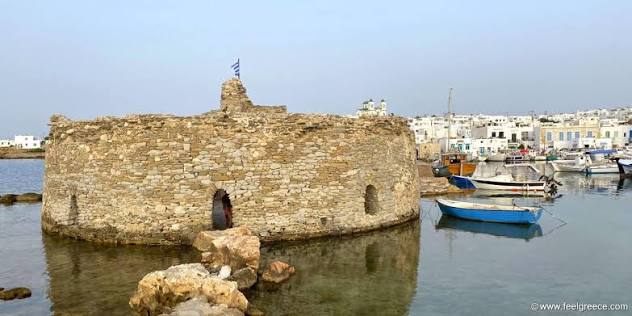
The archaeological topics are also connected through their geographical settings. River valleys, mountains, plains, mining areas, and fortified settlements influenced how people lived and organized their activities.
The Servia Valley could be examined in relation to military movement and transportation. Chalkidiki's geological resources are relevant to research on mining and metallurgy. The Drama region offers opportunities to investigate prehistoric settlement and stone procurement, while the Meteora foothills provide a setting for studying monastic land use.
Geographical conditions did not determine human behavior completely, but they influenced the opportunities and challenges faced by communities.
The Importance of Scientific Archaeology
Scientific methods are essential for establishing the identity, age, origin, and function of archaeological materials. Visual examination and historical comparison are valuable, but they cannot always provide sufficient evidence.
Microscopy, chemical analysis, mineral identification, radiocarbon dating, geophysical survey, and digital documentation can help answer questions that cannot be resolved through ordinary observation.
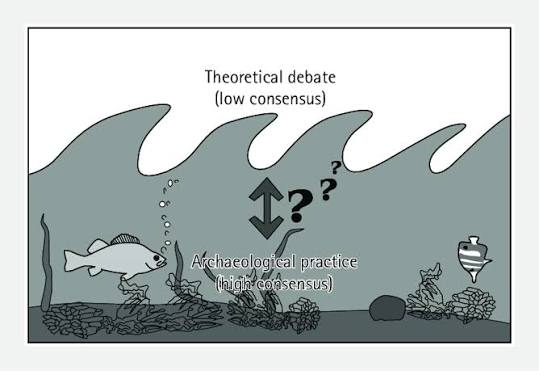
Scientific results must also be interpreted within their archaeological context. An accurate chemical identification cannot independently explain the social meaning of an object, just as a historical document cannot automatically establish the archaeological context of a particular find.
Limitations and Research Priorities
The proposed titles contain specific combinations of objects and locations that should be verified before being presented as established archaeological discoveries. This is especially important when a title suggests that a particular object type was recovered from a specific grave, cellar, shrine, riverbed, or fortified area.
Future research should prioritize:
Verification of excavation reports and museum catalogues.
Confirmation of the date and provenance of individual objects.
Documentation of the archaeological context and associated materials.
Scientific analysis of materials and manufacturing techniques.
Comparison with securely documented finds from neighboring regions.
Careful separation of established evidence from possible interpretations.
These research priorities help prevent the creation of unsupported archaeological narratives and allow more reliable historical conclusions.