Introduction and Historical Background
Military technology changed significantly during the Ottoman period. Armies used a combination of artillery, firearms, defensive structures, engineering works, and traditional siege equipment to capture fortified settlements and protect strategic locations.
Xanthi, in northeastern Greece, developed within a region influenced by Ottoman administration, trade, agriculture, and movement through the eastern Balkans. Its historical setting makes it relevant to research on Ottoman urban development and military organization.
The proposed study of Ottoman siege engines near Xanthi's walls raises questions about the defense of fortified settlements, the use of artillery, and the military landscape of the region. However, the presence of specific siege engines near Xanthi must be established through archaeological evidence, historical documents, or reliable visual records. The existence of defensive walls alone does not prove that a siege took place.
Ottoman Military Organization
The Ottoman Empire maintained a large military and administrative system that supported territorial expansion and the defense of its provinces. Military operations depended on organized personnel, supply networks, transportation, engineering, and the use of different types of weapons.
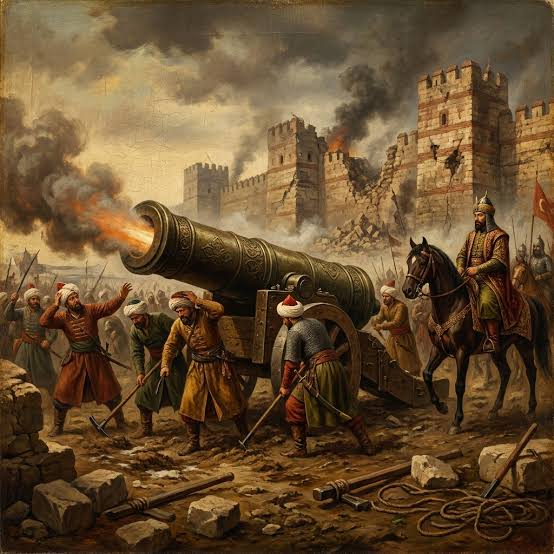
Artillery became increasingly important in Ottoman warfare, particularly during the later medieval and early modern periods. Large cannon could be used against fortified walls, while smaller artillery pieces supported field operations and defensive positions.
The use of artillery required technical specialists, including founders, gunners, engineers, and personnel responsible for transporting ammunition and maintaining equipment.
Siege Warfare and Military Engineering
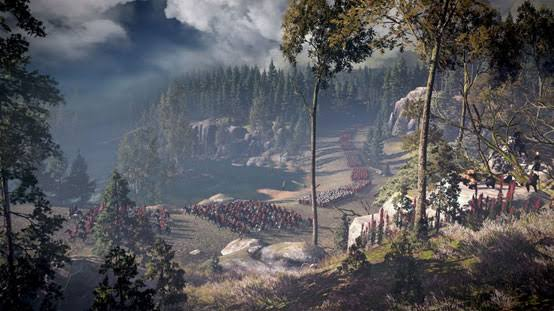
A siege involved more than the direct use of weapons. It required planning, reconnaissance, the establishment of positions, and the organization of supplies.
Armies could attempt to capture fortified settlements through bombardment, the interruption of supply routes, the destruction of defensive structures, or negotiations. The choice of method depended on the strength of the fortifications, the available weapons, and the military situation.
Siege engineering could involve the construction of earthworks, trenches, protective barriers, and artillery platforms. These features helped attackers position their weapons while reducing exposure to defenders.
Types of Siege Equipment
Ottoman siege warfare employed different types of military equipment depending on the period and the requirements of the operation.
Artillery included large cannon designed to damage walls and defensive structures. Smaller guns could be used against troops or to support movement during an assault.
Other siege equipment included ladders, protective screens, earthworks, and tools used for digging or breaking through fortifications. Earlier military traditions also included mechanical devices, although the use of a particular engine at a particular site must be supported by evidence.
It is important to distinguish between artillery and mechanical siege engines. A cannon is an artillery weapon, while devices such as siege towers or battering rams belong to different technological categories. Historical descriptions should use these terms accurately.
Fortifications and the Defense of Xanthi
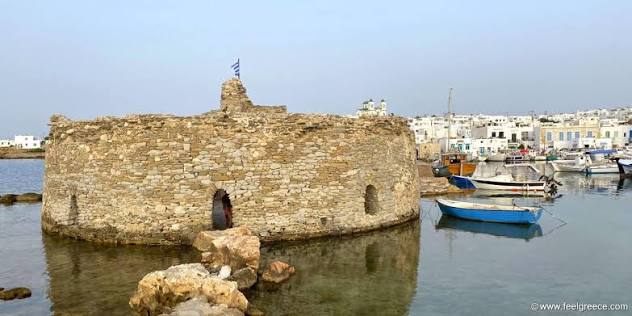
Fortified settlements were designed to control access, protect inhabitants, and resist military attacks. Their defenses could include walls, towers, gates, elevated positions, and other structures adapted to the local landscape.
The study of historical fortifications in Xanthi should begin with architectural documentation. Researchers must establish the construction date, building phases, materials, repairs, and later modifications of the surviving structures.
A wall may have been built or modified for several reasons, including urban protection, administrative control, or adaptation to changing military technology. Its presence does not necessarily indicate that the settlement experienced a major siege.
Historical Records and Military Campaigns
Written sources can provide information about military movements, conflicts, defensive preparations, and the condition of settlements during the Ottoman period.
Relevant materials may include Ottoman administrative records, military correspondence, travel accounts, local histories, maps, and chronicles. These sources can help identify historical events that may be connected with the fortifications of Xanthi.
However, written accounts must be critically evaluated. Some records may exaggerate military achievements, omit local details, or use place names that have changed over time.
The comparison of written evidence with archaeological remains is necessary to determine whether a particular military event occurred at a specific location.
Archaeological Evidence of Siege Activity
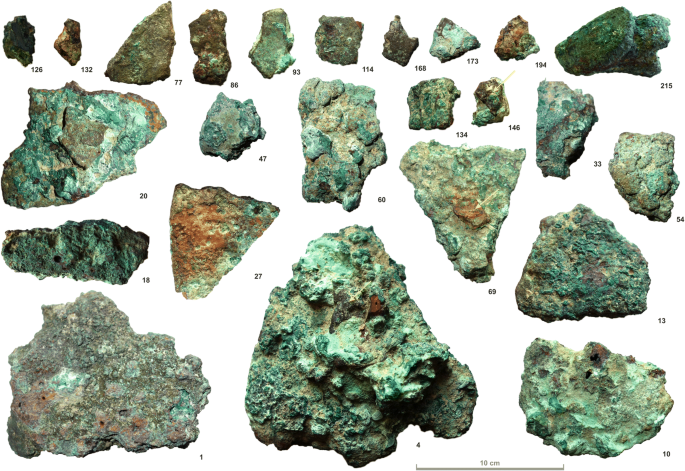
Evidence of siege warfare may include cannonballs, ammunition fragments, weapon components, damaged walls, defensive earthworks, and remains of temporary military positions.
The location of such objects is especially important. A cannonball found near a wall may have been deposited during a conflict, but it could also have been moved, reused, or discarded at a later date.
Damage to fortifications must also be examined carefully. Structural deterioration may result from weathering, earthquakes, later construction, or military action. Archaeological analysis can help distinguish between these possibilities.
Military Technology and Regional History
The study of Ottoman military technology in the Xanthi region can contribute to a wider understanding of the relationship between fortifications, regional security, and imperial administration.
Military equipment was not used in isolation. Its effectiveness depended on transportation routes, available supplies, engineering knowledge, and the organization of troops.
The study of military landscapes can also reveal how local communities experienced periods of conflict and how settlements adapted to changing political and military conditions.
Conservation and Historical Interpretation
Fortifications and military remains are important elements of cultural heritage. Their preservation requires architectural recording, archaeological assessment, and careful management of the surrounding environment.
Conservation work should avoid reconstructing missing features without adequate evidence. Interpretations presented to the public should clearly distinguish between documented remains and historical possibilities.
Conclusion
The proposed study of Ottoman siege engines near Xanthi's walls offers a framework for investigating military technology, fortification systems, and Ottoman-era regional history.
A reliable reconstruction requires the identification of specific military remains and the comparison of archaeological evidence with historical records. Researchers must distinguish between artillery, mechanical siege equipment, and ordinary defensive structures to avoid unsupported conclusions about the military history of Xanthi.