Maritime Networks and Island Communities
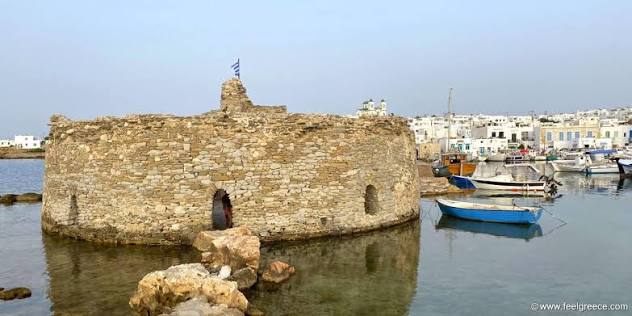
Several of the topics focus on islands and coastal locations, including Torone, Chios, Psara, Kos, Agios Efstratios, Syros, and Lemnos. Their geographical positions made maritime movement an important factor in their historical development.
The Aegean Sea was not simply a barrier between communities. It was also a communication and transportation network through which people, objects, technologies, and beliefs circulated.
Mycenaean seals, submerged anchors, possible Minoan ritual objects, and coastal Byzantine crosses all provide opportunities to investigate the relationship between maritime environments and human activity.
However, the presence of an object near the sea does not automatically establish its connection to trade or navigation. Its archaeological context, date, and function must be established independently.
Religious and Symbolic Objects
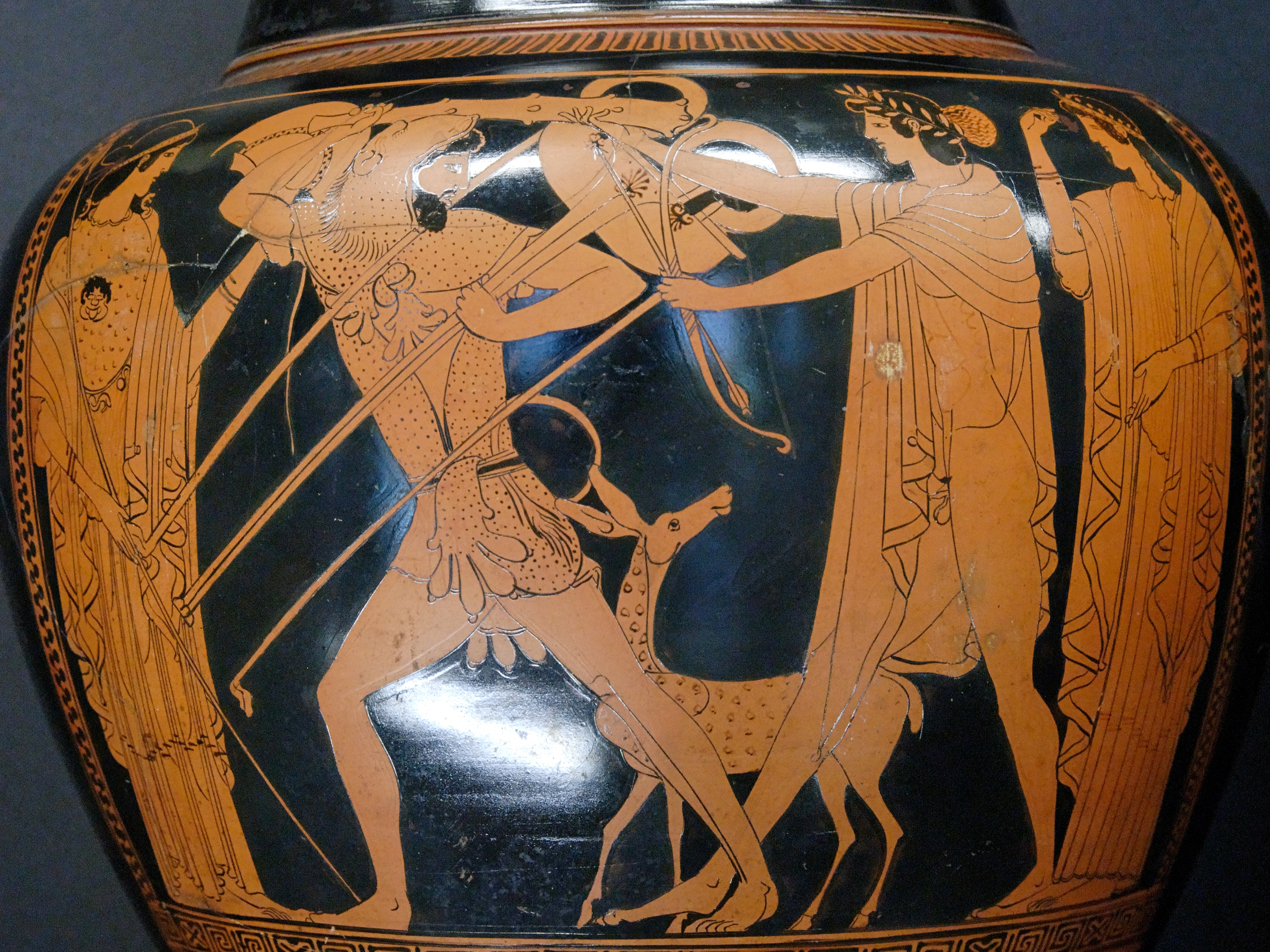
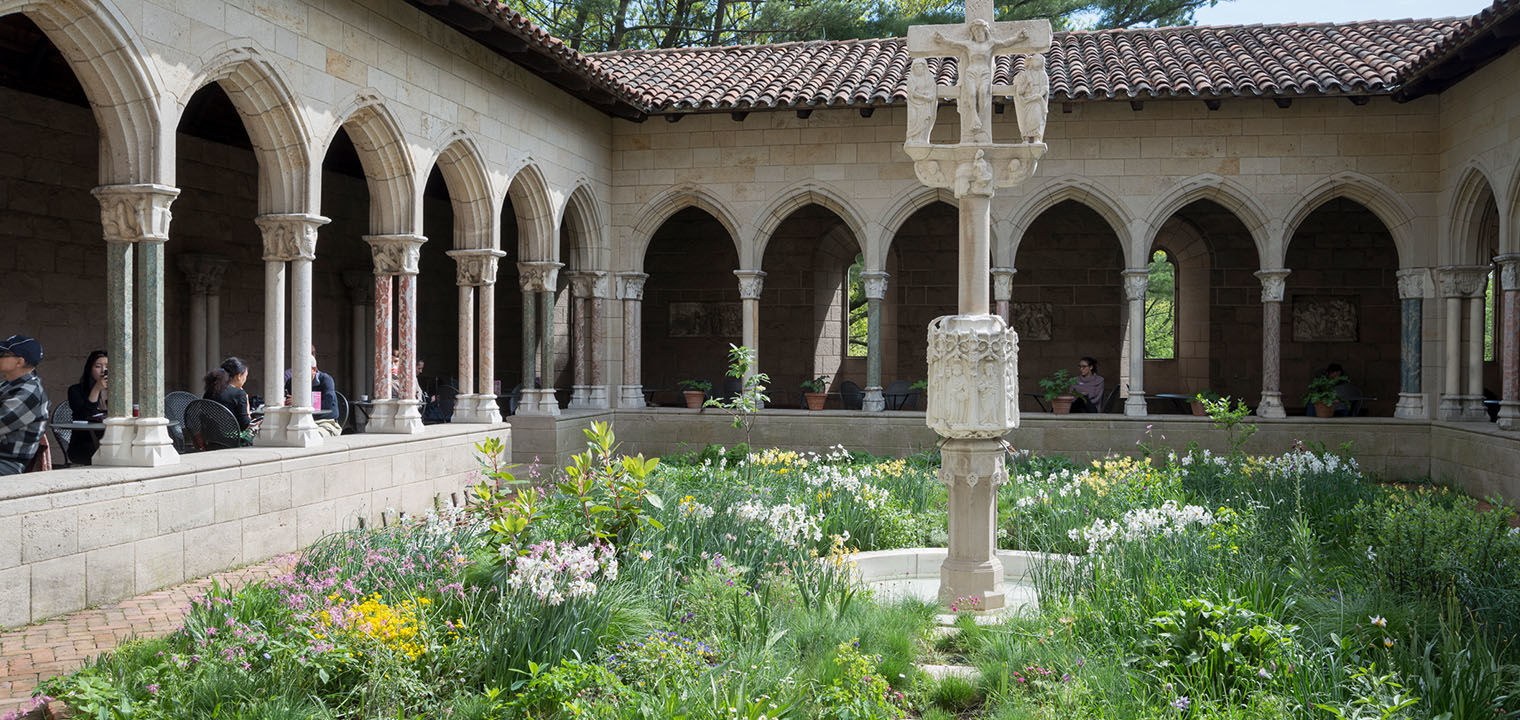
The Thracian Rider reliefs, Minoan double axes, Byzantine crosses, and Cycladic figurines demonstrate the importance of symbolic objects in ancient and medieval societies.
Such objects could be connected with religious beliefs, funerary customs, personal identity, and communal traditions. Their meanings could change over time and vary between regions.
The study of symbolic objects requires attention to their material, decoration, inscriptions, and archaeological context. Similar imagery may reflect shared cultural traditions, artistic imitation, or independent developments.
Craft Production and Technical Knowledge
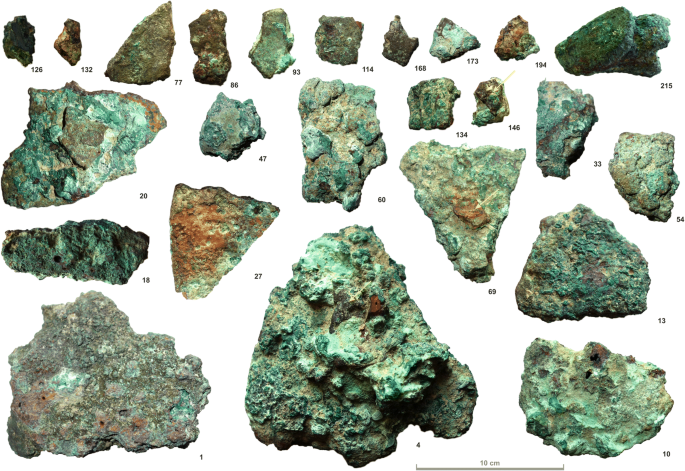
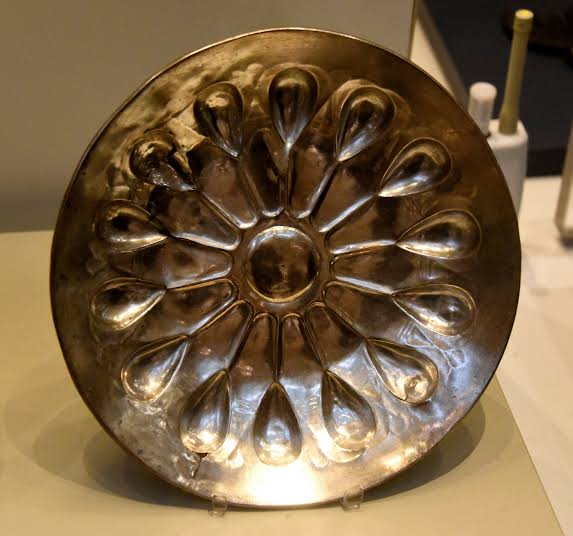
Roman hypocaust systems, Hellenistic seals, Cycladic figurines, and ancient metal or stone objects demonstrate the importance of specialized production.
Different crafts required different types of knowledge. Builders needed an understanding of materials, heating, and structural design. Seal engravers required precision and artistic skill. Figurine makers needed knowledge of shaping and firing materials.
The study of workshops and production remains can help researchers understand how technical knowledge was organized and transmitted within communities.
Military Communication and Regional Security
The proposed Roman signal towers on Lemnos and the study of Roman infrastructure in Edessa highlight the relationship between technology and territorial organization.
Roman military and administrative systems relied on roads, communication routes, defensive structures, and specialized engineering. These systems helped connect communities and support political authority.
The interpretation of individual structures must nevertheless distinguish between military, administrative, domestic, and commercial functions. Architectural resemblance alone is not enough to establish a building's original purpose.
Landscape and Archaeological Preservation
The nine topics demonstrate how archaeological evidence is influenced by geography and environmental conditions.
Harbor silt, underwater reefs, coastal headlands, island workshops, and suburban settlements each present different preservation and research challenges. Marine currents may relocate objects, while urban development may damage buried structures. Erosion can expose or destroy archaeological materials.
Archaeological research must therefore consider the environmental processes that affect the survival and movement of evidence.
Scientific Approaches to Archaeological Research
Scientific methods can strengthen the interpretation of archaeological materials. These may include:
Material and elemental analysis for metal, stone, and other objects.
Microscopic examination of manufacturing techniques and surface wear.
Petrographic analysis for ceramic and stone materials.
Underwater survey and photogrammetry for submerged finds.
Stratigraphic excavation for establishing chronological relationships.
Geographic information systems for analyzing landscape visibility and spatial distribution.
Epigraphic study for interpreting inscriptions and identifying historical references.
These methods are most effective when combined with careful excavation records and historical research.
Research Limitations and Priorities
The titles in this compilation include specific combinations of objects and locations that require verification. Some terms may describe proposed interpretations rather than established archaeological categories. For example, painter seals, reef crosses, and harvester figurines need precise definitions before they can support a specific historical argument.
Future research should prioritize the following:
Confirming whether the named objects have been documented in archaeological publications.
Establishing the date and original context of each find.
Identifying materials and manufacturing techniques through scientific examination.
Comparing objects with securely dated examples from other regions.
Distinguishing between local production, imported objects, and later reuse.
Separating established archaeological evidence from possible interpretations.