• Home page/Blog
    • Ancient Greece
    • Archaeology
    • Mythology
    • Architecture
    • Artefact
    • Inventions
    • Tourism
    • News
    • Science
    • General
    • Weird
    • Recipes
    • Blog
  • About
  • Contact
Menu

GHD

  • Home page/Blog
  • History
    • Ancient Greece
    • Archaeology
    • Mythology
  • Art
    • Architecture
    • Artefact
    • Inventions
  • Travel
    • Tourism
  • Other
    • News
    • Science
    • General
    • Weird
    • Recipes
    • Blog
  • About
  • Contact
No results found

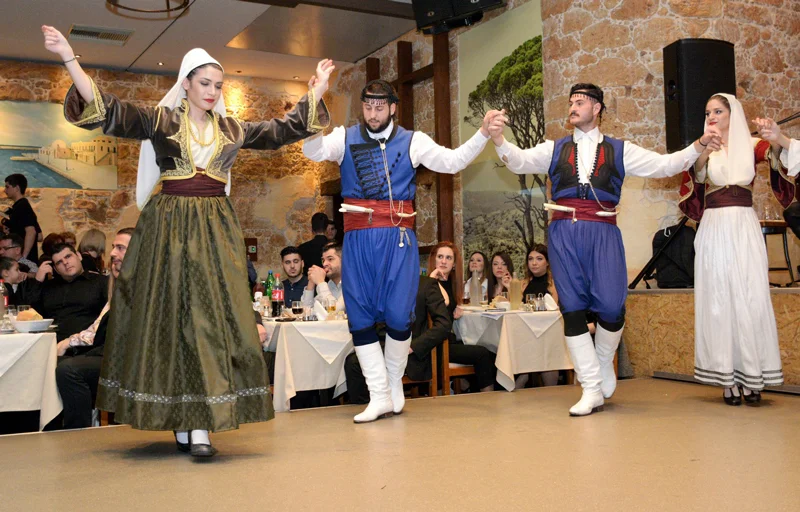
Cretan Sfakian Knife Dances at Anogia Feasts

November 22, 2026

Crete has a strong tradition of music and dance in which instruments, movement, costume, and local identity are closely connected. The Cretan lyra and the laouto are prominent in many musical settings, while regional dances express differences in rhythm, style, and performance.

Knife dancing is associated in popular descriptions of Cretan culture with displays of skill, masculinity, and controlled movement. Such performances may involve a dancer handling a knife while moving to music. However, the title’s combination of Sfakian knife dances and feasts in Anogia brings together two distinct regional references: Sfakia in southwestern Crete and Anogia in the island’s central mountainous interior.

Both areas have distinctive cultural histories, but they should not be assumed to share one identical knife-dance tradition. Anogia is particularly known for its musical heritage and the importance of local musicians. Sfakia, meanwhile, has a strong reputation for traditions associated with mountain life, resistance, hospitality, and regional identity.

A comparative study could investigate whether knife-related performances are documented in both communities, how they differ, and whether modern festivals have brought together traditions from different parts of Crete. Researchers should examine dance terminology, musical accompaniment, performance settings, and the social meaning assigned to the knife.

The knife may function as a symbol of local identity, but it can also be a practical object whose meaning changes according to context. A responsible account should avoid reducing Cretan culture to images of weapons or aggressive masculinity. The broader significance of the topic lies in the ways dance and music communicate regional belonging and preserve local performance traditions.
← Epirote Zoisite Healing in Vitsa SpringsThracian Fire Walking in Serres Village Rites →
Featured
1000030693.png
November 23, 2026
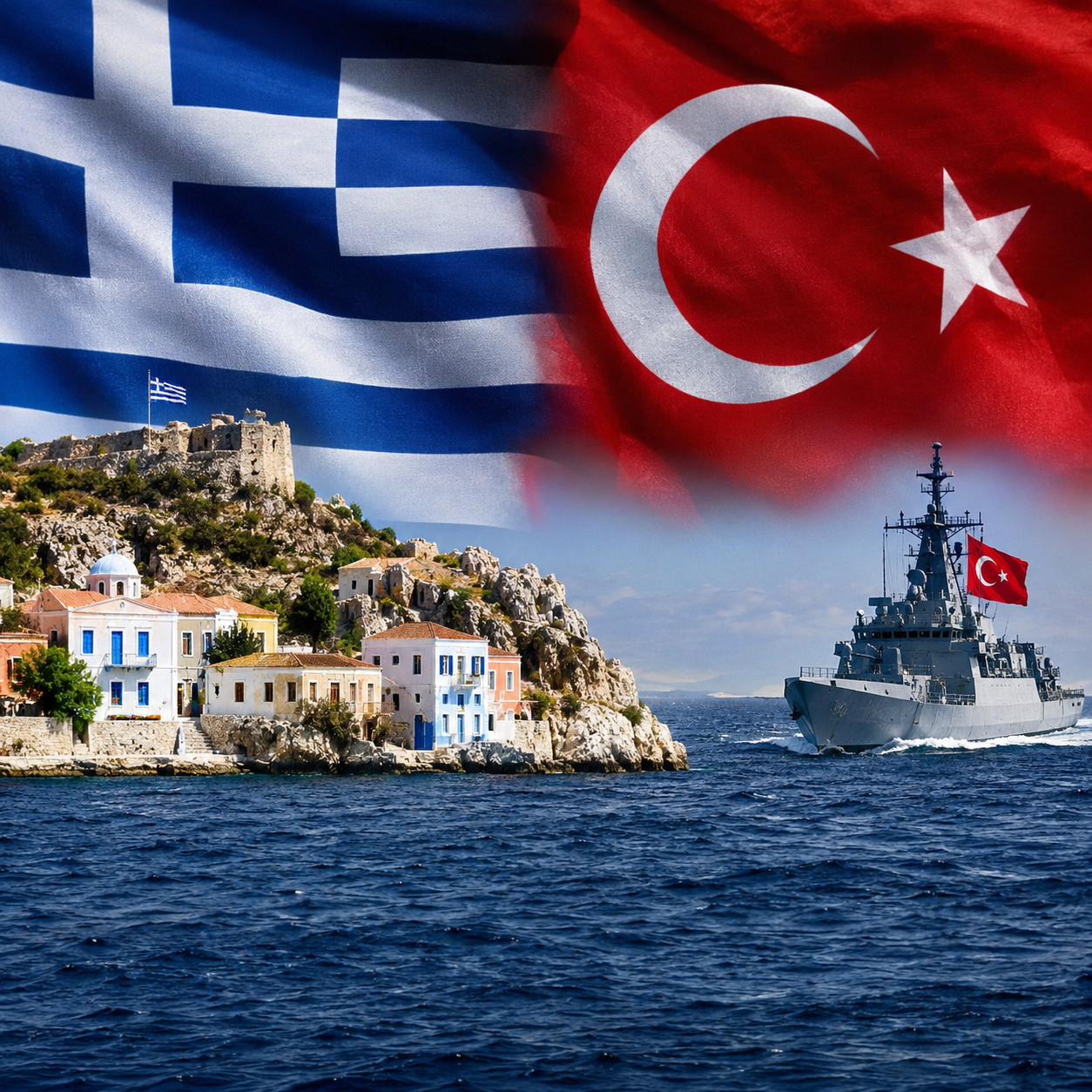
Turkish Official Challenges Greek Sovereignty, Revives Claims Over 500 Aegean Islands and Islets
November 23, 2026
Read more →
November 23, 2026
image_2026-11-16_203011780.png
November 22, 2026
Archaic Tripods from Pella Satellite Shrines
November 22, 2026
Read more →
November 22, 2026
image_2026-11-16_204332119.png
November 22, 2026
Venetian Trade Seals in Naousa Cellars
November 22, 2026
Read more →
November 22, 2026
image_2026-11-16_204443029.png
November 22, 2026
Venetian Trade Seals in Naousa Cellars
November 22, 2026
Read more →
November 22, 2026
image_2026-11-16_204528092.png
November 22, 2026
Bronze Age Copper Slags Near Chalkidiki Mines
November 22, 2026
Read more →
November 22, 2026
image_2026-11-16_204626612.png
November 22, 2026
Roman Legion Camps in Servia Valley
November 22, 2026
Read more →
November 22, 2026
image_2026-11-16_204712974.png
November 22, 2026
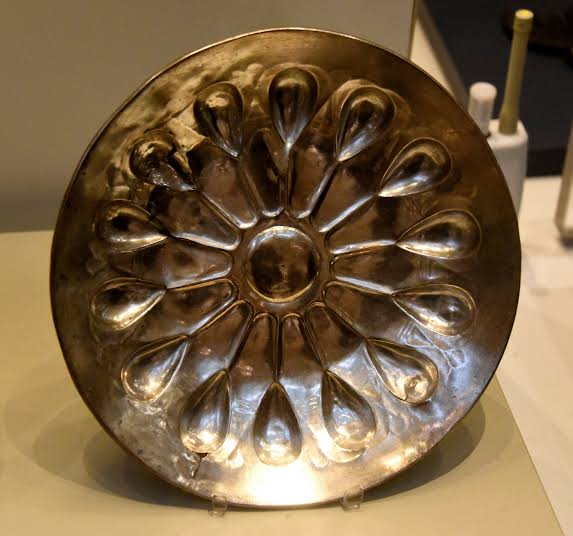
Epirote Silver Bowls in Ohrid Border Tombs
November 22, 2026
Read more →
November 22, 2026
image_2026-11-16_204802359.png
November 22, 2026
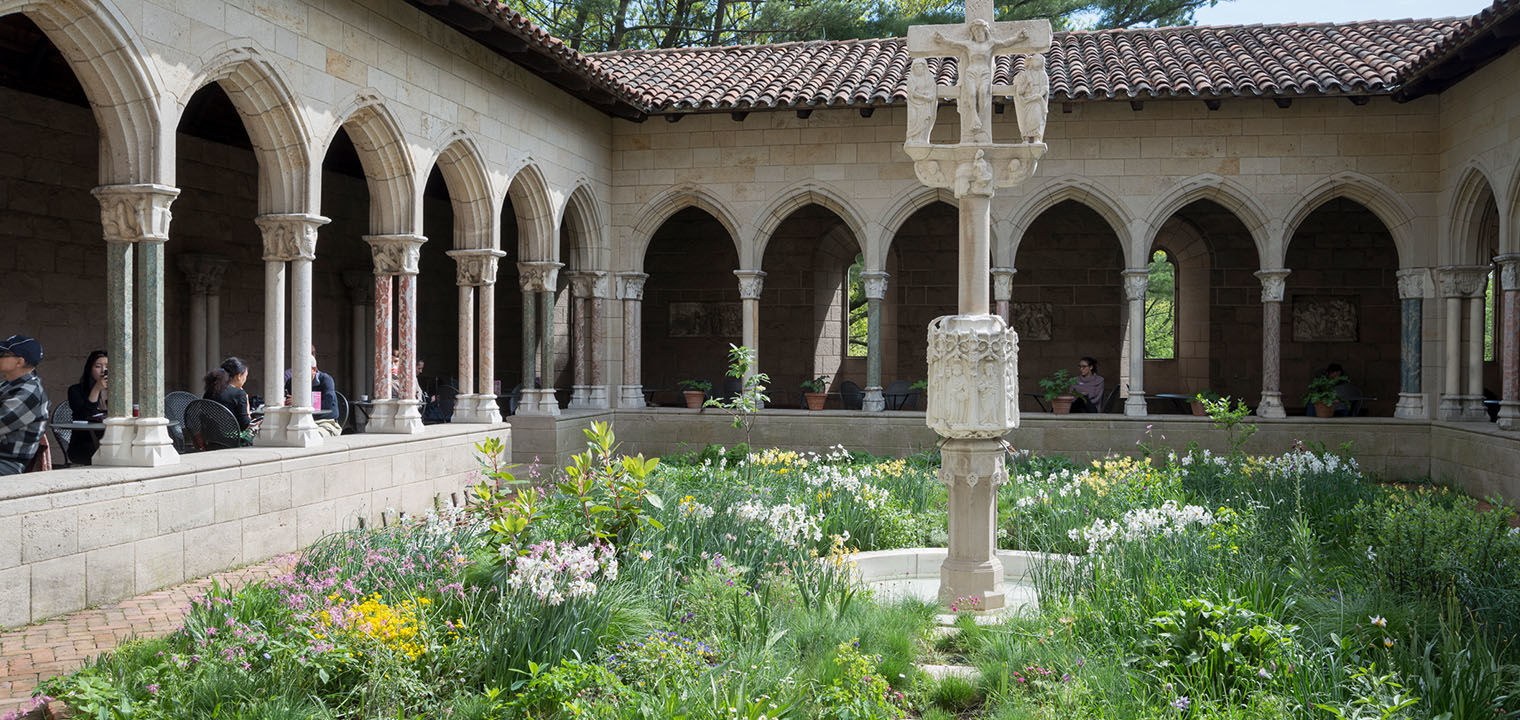
Byzantine Cloister Gardens in Meteora Foothills
November 22, 2026
Read more →
November 22, 2026
SEE MORE

Powered by ©GreeceHighDefinition / Privacy Policy