• Home page/Blog
    • Ancient Greece
    • Archaeology
    • Mythology
    • Architecture
    • Artefact
    • Inventions
    • Tourism
    • News
    • Science
    • General
    • Weird
    • Recipes
    • Blog
  • About
  • Contact
Menu

GHD

  • Home page/Blog
  • History
    • Ancient Greece
    • Archaeology
    • Mythology
  • Art
    • Architecture
    • Artefact
    • Inventions
  • Travel
    • Tourism
  • Other
    • News
    • Science
    • General
    • Weird
    • Recipes
    • Blog
  • About
  • Contact
No results found

Epirote Zoisite Healing in Vitsa Springs

November 22, 2026

Epirus has a rich landscape of springs, mountain streams, mineral deposits, and traditional healing beliefs. In rural communities, water sources and natural materials have sometimes been associated with health, purification, and protection. Such beliefs belong to a broader history of folk medicine in which local knowledge, religious practice, and symbolic interpretations of nature often overlap.

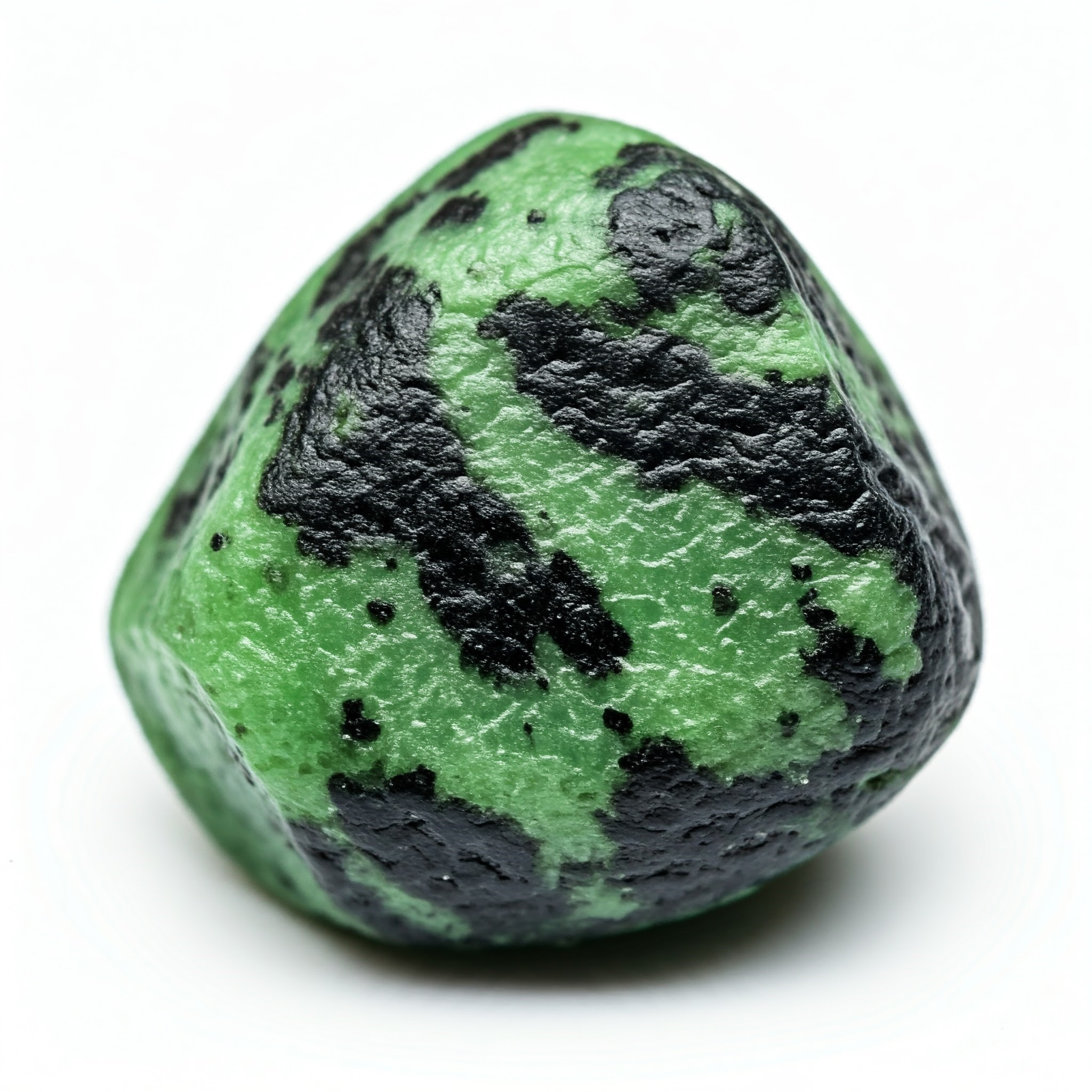
Zoisite is a naturally occurring mineral, but a specific traditional Epirote healing practice involving zoisite at the springs of Vitsa cannot be established from the general evidence available. The title should therefore be treated cautiously. It may combine the region’s mineral landscape with local healing lore, but that does not demonstrate that residents historically used zoisite as a therapeutic substance.

A cultural study could investigate how people understood the springs around Vitsa and whether particular sources were believed to have beneficial properties. Researchers could document local terminology, stories about healing waters, seasonal visits, religious associations, and household remedies. Such accounts would be valuable evidence of folk belief even when they do not establish medical effectiveness.

It is essential to distinguish cultural history from medical advice. Mineral specimens should not be ingested, applied to wounds, or used as substitutes for medical treatment without reliable safety and clinical evidence. Traditional beliefs can be studied respectfully without presenting them as scientifically proven therapies.

The subject is best approached as an investigation of the relationship between landscape, mineral knowledge, and folk healing in Epirus. Verification would require local oral histories, ethnographic records, mineralogical identification, and evidence that the specific practice was actually associated with Vitsa.

← Pontic Lyra Tunes from Samsun ExilesCretan Sfakian Knife Dances at Anogia Feasts →
Featured
1000030693.png
November 23, 2026
Turkish Official Challenges Greek Sovereignty, Revives Claims Over 500 Aegean Islands and Islets
November 23, 2026
Read more →
November 23, 2026
image_2026-11-16_203011780.png
November 22, 2026
Archaic Tripods from Pella Satellite Shrines
November 22, 2026
Read more →
November 22, 2026
image_2026-11-16_204332119.png
November 22, 2026
Venetian Trade Seals in Naousa Cellars
November 22, 2026
Read more →
November 22, 2026
image_2026-11-16_204443029.png
November 22, 2026
Venetian Trade Seals in Naousa Cellars
November 22, 2026
Read more →
November 22, 2026
image_2026-11-16_204528092.png
November 22, 2026
Bronze Age Copper Slags Near Chalkidiki Mines
November 22, 2026
Read more →
November 22, 2026
image_2026-11-16_204626612.png
November 22, 2026
Roman Legion Camps in Servia Valley
November 22, 2026
Read more →
November 22, 2026
image_2026-11-16_204712974.png
November 22, 2026
Epirote Silver Bowls in Ohrid Border Tombs
November 22, 2026
Read more →
November 22, 2026
image_2026-11-16_204802359.png
November 22, 2026
Byzantine Cloister Gardens in Meteora Foothills
November 22, 2026
Read more →
November 22, 2026
SEE MORE

Powered by ©GreeceHighDefinition / Privacy Policy