Introduction and Historical Background
The Cycladic islands are known for their distinctive prehistoric material culture, particularly marble figurines, pottery, and other objects associated with Early Bronze Age communities. Figurines are important archaeological materials because they can provide information about artistic traditions, social practices, and symbolic expression.
Syros is part of the Cyclades and contains important archaeological evidence relating to prehistoric island communities. The island is especially relevant to research on Early Cycladic settlement and funerary practices.
The proposed study of Cycladic harvester figurines in Syros kilns raises questions about figurine production, ceramic technology, and the relationship between artistic objects and workshop activity. However, the phrase harvester figurines may refer to particular representations of agricultural labor or to a named figurine type. The claim that such figurines were recovered from kilns must be supported by specific excavation records.
Cycladic Art and Figurine Production
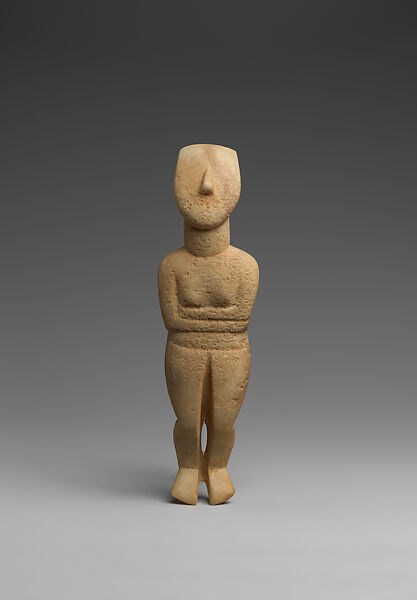
Cycladic figurines are among the best-known examples of prehistoric Aegean sculpture. Many were produced from marble and display simplified human forms with carefully shaped bodies and faces.
Their functions remain a subject of scholarly discussion. Some figurines were placed in graves, while others may have been used in domestic, ritual, or commemorative contexts.
Although many Cycladic figurines are associated with human representations, their exact identities and meanings are not always known. Archaeologists must avoid assigning specific occupations or symbolic roles without supporting evidence.
Representations of Harvesting and Agricultural Activity
Agriculture was important to prehistoric island communities. People cultivated crops, gathered plant resources, and maintained domesticated animals. Harvesting activities required tools, labor organization, and knowledge of seasonal conditions.
Figurines or other representations of harvesting could provide insight into the relationship between human labor and the agricultural environment.
However, identifying a figurine as a harvester requires clear iconographic evidence. The presence of a human figure holding an object does not automatically indicate an agricultural activity. The object's shape, posture, and associated imagery must be considered.
Kilns and Ceramic Production
Kilns were essential installations in prehistoric pottery production. They provided controlled heating conditions that transformed clay into durable ceramic objects.
A kiln generally included a combustion area and a chamber where pottery was placed for firing. Its design depended on the period, available materials, and production requirements.
Archaeological remains may include kiln walls, firing floors, ash deposits, wasters, and fragments of overfired pottery. These materials can help identify production areas and reconstruct firing practices.
A figurine discovered inside a kiln could have been produced there, accidentally damaged during firing, stored in the structure, or deposited after the kiln had ceased functioning. Its context must be carefully evaluated.
Marble Figurines and Ceramic Figurines
The term Cycladic figurine is often associated with marble sculpture, but prehistoric communities also produced human and animal representations from clay and other materials.
A study of figurines found in kilns should establish whether the objects are made of fired clay, marble, or another material. These categories involve different manufacturing processes and archaeological interpretations.
If ceramic figurines were produced in a kiln, their clay composition, surface treatment, and firing characteristics could provide information about local production.
If marble figurines were found near a kiln, their presence would not necessarily indicate that they were manufactured there.
Archaeological Context in Syros
Syros is particularly important in Cycladic archaeology because of its prehistoric sites and material culture. The study of figurines from the island should consider their relationship to settlements, cemeteries, workshops, and domestic spaces.
The association of a figurine with a kiln must be demonstrated through excavation records and stratigraphic evidence. Researchers should also determine whether the kiln was used for pottery production, another industrial activity, or a later purpose.
Comparisons with figurines from other Cycladic islands can help establish stylistic relationships and possible regional production traditions.
Scientific Examination
Clay figurines can be examined through petrographic analysis and chemical characterization to investigate their raw materials. Such studies may help compare the composition of the objects with local clay sources.
Thermal analysis and examination of mineral changes may provide information about firing temperatures. Microscopic study can reveal surface treatment, modeling techniques, and manufacturing traces.
Marble objects require different analytical approaches, including geological characterization and the study of carving marks.
Social and Cultural Significance
Figurines may have served as expressions of personal identity, social relationships, religious beliefs, or commemorative practices. Their presence in domestic or funerary contexts can provide clues about how communities used symbolic objects.
If evidence of figurine production in Syros kilns is established, it could contribute to research on specialized craft activity and the production of symbolic objects within Cycladic settlements.
Conclusion
The proposed study of Cycladic harvester figurines in Syros kilns provides an opportunity to examine prehistoric figurine production, agricultural imagery, and ceramic technology.
The most important research priorities are to identify the figurines' materials, establish their iconographic meaning, and verify their relationship with kiln structures. These distinctions are necessary for reconstructing the production and use of figurines in prehistoric Syros.