Introduction and Historical Background
Boat models are valuable archaeological objects because they can provide evidence of how ancient communities represented vessels and maritime activity. They may reflect practical knowledge, symbolic beliefs, or the importance of seafaring in everyday life.
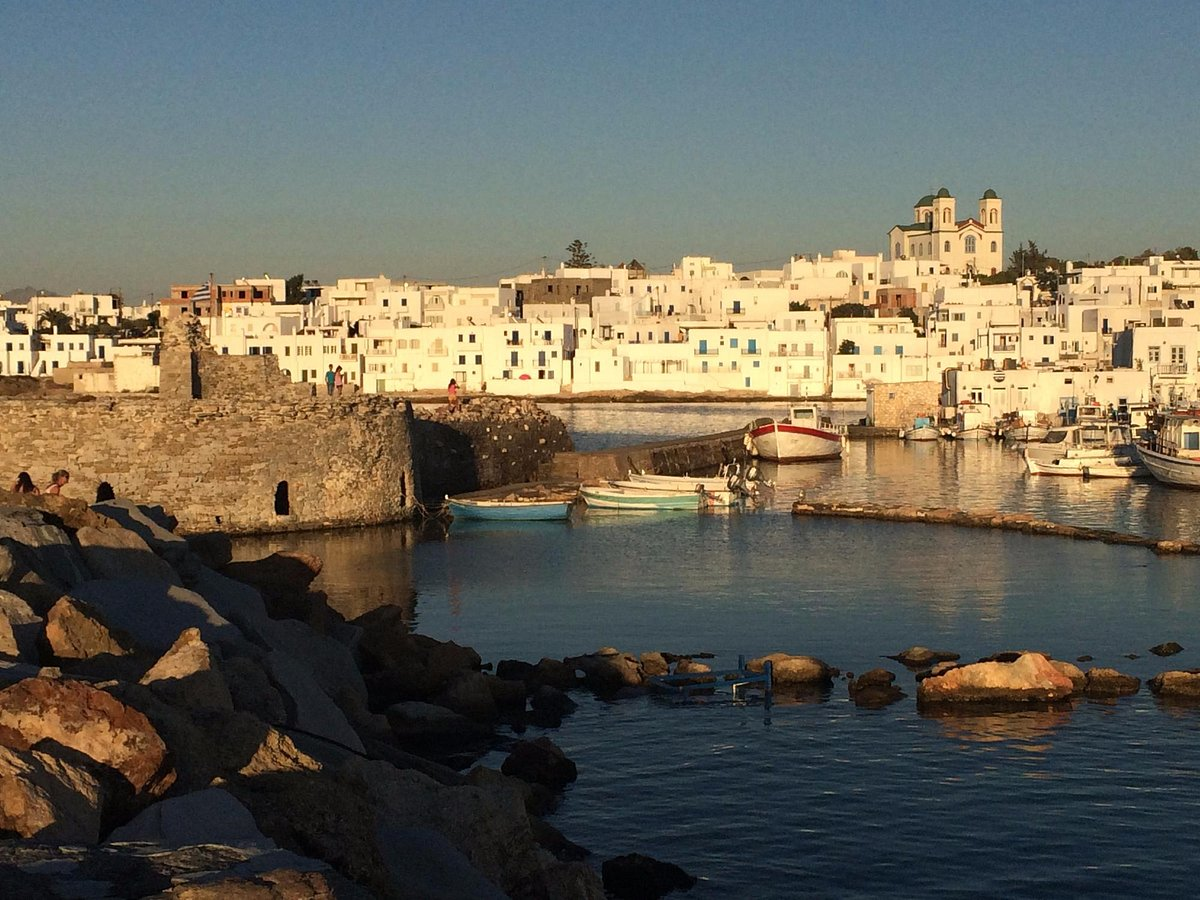
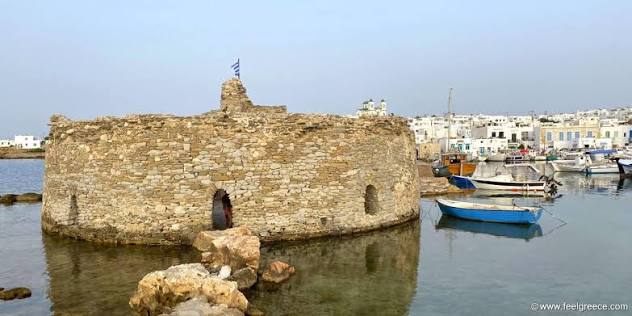
Tenos, also known as Tinos, is part of the Cyclades. Its location within the central Aegean placed it among island communities whose economies and cultural relationships depended partly on maritime movement.
The proposed study of Geometric boat models from Tenos graves raises questions about funerary customs, maritime identity, and the representation of ships during the early historical period of Greece. However, the specific existence and dating of such models in Tenos graves must be verified through archaeological documentation.
The Geometric Period and Maritime Development
The Geometric period, generally dated from approximately 900 to 700 BCE, was characterized by important changes in Greek settlement patterns, artistic production, and social organization.
Maritime exchange supported contact between different communities. Ships transported pottery, metals, agricultural products, and people across the Aegean.
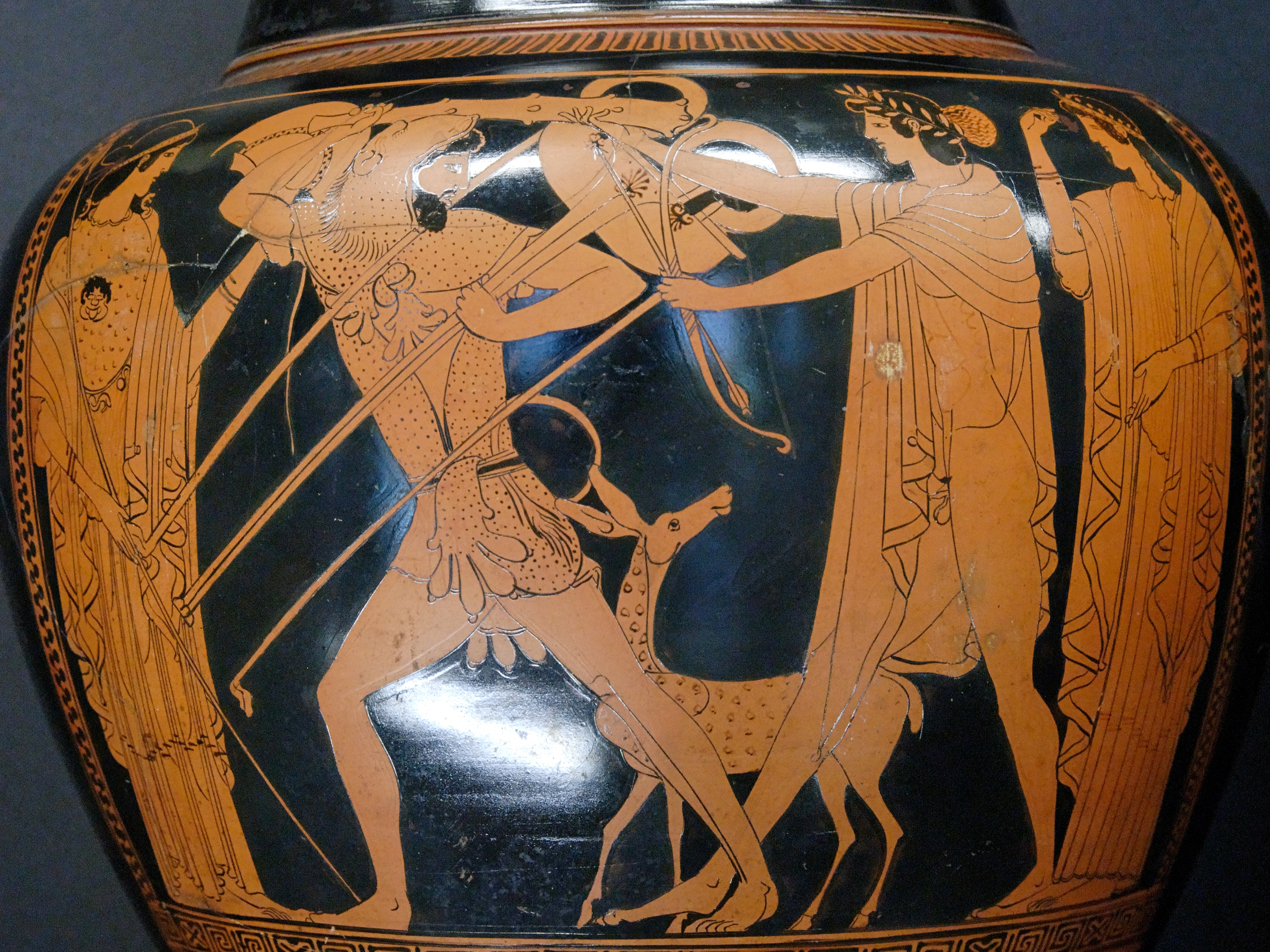
The development of seafaring also influenced artistic representation. Vessels appeared in pottery decoration and other forms of visual expression, demonstrating the importance of maritime activity in Greek life.
Boat Models as Archaeological Objects
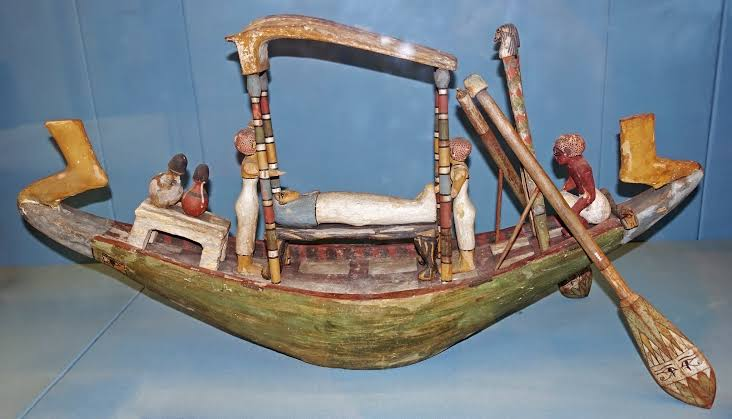
A boat model is a small representation of a vessel. It may be made from clay, wood, metal, or another material.
Models can preserve details of hull shape, prow design, stern structure, and other features. Some may have been intended as toys or practical representations, while others may have served symbolic or ritual functions.
The interpretation of a model depends on its construction, decoration, size, and archaeological context.
Funerary Significance
Objects placed in graves could represent aspects of the deceased person's identity, activities, status, or beliefs about the afterlife.
A boat model in a burial might symbolize travel, maritime occupation, social identity, or a journey beyond death. These interpretations are possible but should not be treated as established without supporting evidence.
The presence of a model in a grave should be examined alongside other grave goods, burial architecture, and the age and status of the individual where these can be determined.
Boat Design and Geometric Decoration
Geometric-period vessels could be represented with simplified forms emphasizing the hull, prow, and stern. Models might also include repeated patterns or incised lines.
Such decoration may reflect broader Geometric artistic traditions. However, the presence of geometric patterns does not by itself establish a date. Archaeological context and stylistic comparison remain necessary.
Researchers can compare proposed Tenos examples with boat representations on pottery and other objects from securely dated sites throughout the Aegean.
Maritime Identity in the Cyclades
The Cyclades were connected through regular maritime movement. Island communities depended on boats for transportation, fishing, trade, and communication.
A boat model in a grave could therefore reflect the importance of maritime activity within the community. It might also represent an individual's occupation or relationship with the sea.
The interpretation should consider the broader archaeological setting and whether other evidence of maritime activity is present.
Archaeological and Technical Analysis
The study of boat models should document their dimensions, material, manufacturing traces, decoration, and condition.
Clay models can be examined through petrographic analysis and comparison with local ceramic materials. Wooden models require careful conservation and may be suitable for scientific dating if sufficient organic material survives.
Comparative analysis of hull shapes can contribute to research on ancient ship design, although a small symbolic model may not reproduce the practical details of a full-sized vessel.
Conclusion
The proposed study of Geometric boat models from Tenos graves offers an opportunity to investigate maritime symbolism, funerary practices, and island identity in the early historical Aegean.
Their interpretation depends on establishing their date, function, and burial context. Properly documented examples could contribute to understanding how seafaring was represented in the symbolic and social life of Cycladic communities.