Introduction and Historical Background
Lighthouses and coastal navigation structures played an important role in ancient maritime transportation. They helped vessels identify coastlines, locate harbor entrances, and navigate areas where reefs, rocks, or difficult currents created hazards.
Andros is one of the northern Cycladic islands. Its location between the central Aegean and the approaches to mainland Greece made maritime movement important to its historical development.
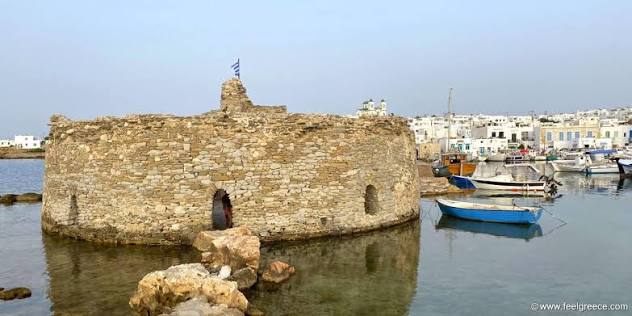
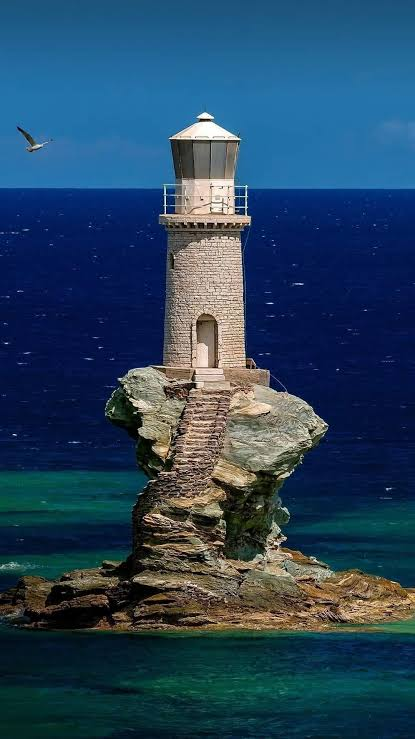
The proposed study of Roman lighthouse bases near Andros port raises questions about Roman coastal infrastructure, navigation, and the organization of maritime routes. However, the identification of specific foundations as Roman lighthouse bases requires archaeological and architectural confirmation. A coastal tower or platform may have served other functions.
Maritime Navigation in the Roman World
The Roman Empire depended heavily on maritime transportation for trade, military movement, and communication. Ships carried agricultural products, building materials, pottery, metals, and other goods between ports.
Navigation required knowledge of coastlines, winds, currents, stars, and seasonal weather conditions. Coastal landmarks and harbor structures helped sailors identify safe approaches.
Lighthouses were particularly useful in areas where vessels needed guidance toward ports or through hazardous coastal passages.
Ancient Lighthouse Architecture
Ancient lighthouses varied in size and design. Some were large monumental towers, while others may have been smaller structures used for coastal signaling.
A lighthouse generally required an elevated platform or tower from which a light could be displayed. The source of illumination may have involved burning fuel in a brazier or another type of fire installation.
The structure needed to withstand wind, salt exposure, and other environmental conditions. Its location was determined by visibility and the relationship between the coastline and maritime routes.
Roman Coastal Infrastructure
Roman ports often included a range of structures supporting maritime activity. These could include quays, breakwaters, warehouses, towers, landing areas, and other installations.
Some coastal towers may have supported navigation, while others served defensive, administrative, or observation functions.
The identification of a Roman lighthouse requires more than a tower-like foundation. Researchers must consider its architecture, position, associated installations, and relationship to a known harbor.
Andros and the Maritime Landscape
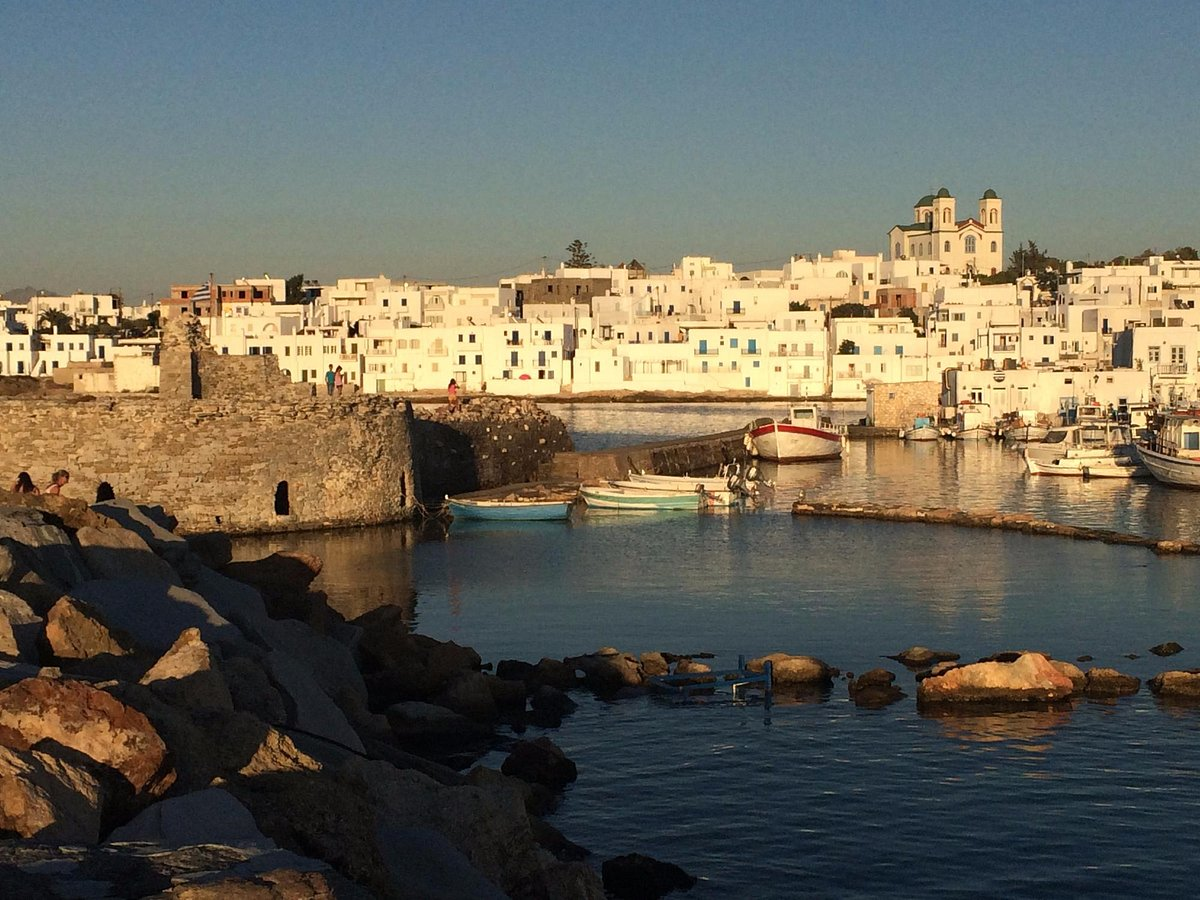
Andros's geographical position made it relevant to maritime movement through the Cyclades. The island's ports and coastal settlements could have supported local trade and wider Aegean connections.
A proposed lighthouse near an ancient port should be studied in relation to the harbor's historical development. Researchers should determine whether the port was active during the Roman period and whether the structure was positioned to improve navigation.
Visibility analysis can help determine whether a particular location would have been suitable for displaying a signal to approaching vessels.
Archaeological Investigation of Foundations
The study of possible lighthouse foundations should document their dimensions, orientation, masonry, construction materials, and relationship to nearby structures.
Excavation may reveal construction layers, floor surfaces, fire installations, and associated objects. Pottery, coins, and other dated materials may help establish the period of use.
Underwater survey may also be necessary if the original harbor edge has been submerged or altered through coastal processes.
Scientific and Landscape Analysis
Architectural analysis can help identify construction techniques and building phases. Geological examination may reveal the source of construction stone.
Geographic information systems can be used to reconstruct ancient coastlines and assess visibility between a possible lighthouse location and maritime approaches.
Environmental reconstruction is particularly important because changes in sea level, sedimentation, and shoreline erosion may have altered the original relationship between the structure and the harbor.
Conclusion
The proposed study of Roman lighthouse bases near Andros port provides a framework for investigating navigation, harbor infrastructure, and Roman maritime activity in the Cyclades.
The identification of specific foundations as lighthouse structures requires secure dating, architectural evidence, and analysis of their original coastal setting. Such research could contribute to understanding how Roman communities supported safe maritime transportation.