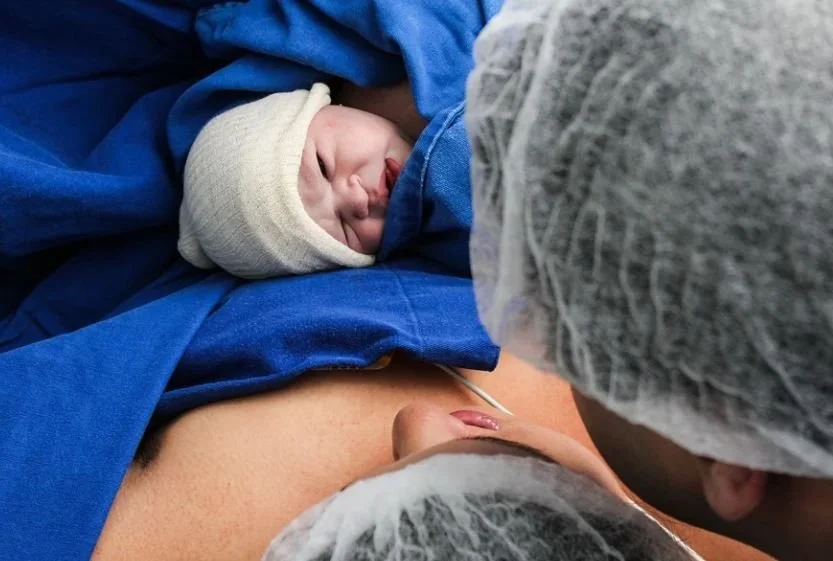
Greece is facing one of the most serious demographic crises in Europe, as birth rates have reached historic lows and the country’s population is projected to shrink dramatically over the coming decades. According to the latest official figures, births in 2025 fell below 70,000 — the lowest number recorded in the country’s modern history.
The Stark Numbers of 2025
Recent data highlights the scale of the crisis:
Births: Approximately 66,500–68,000, a decline of more than 40% compared with 2010
Fertility Rate: Around 1.19–1.26 children per woman, far below the 2.1 needed for a stable population
Births per 1,000 inhabitants: 6.8, compared with the EU average of 8.2
Greece consistently ranks among the lowest countries in the European Union, alongside Italy and Spain, while nations such as France and Ireland maintain significantly higher birth rates.
Troubling Population Projections
According to the latest Eurostat projections (April 2026):
By 2050, Greece’s population is expected to decline significantly, likely falling below 9.5 million
By 2100, the decline could reach 30%, with the population dropping to around 7.2 million people
This means Greece could lose nearly one-third of its population during the 21st century, with serious consequences for the economy, pensions, the labor market, and regional development.
Many rural and remote areas are expected to face even sharper decline and aging populations.
Why Is This Happening?
Experts point to several major causes behind the demographic downturn:
High Cost of Living and Housing
Rising rents, expensive property prices, and inflation make starting a family increasingly difficult for young couples.
Job Insecurity
Many younger Greeks face unstable employment, lower wages, or temporary contracts, leading them to delay family planning.
Later Parenthood
The average age of mothers has risen above 31–32 years old, reducing the total number of children many families choose to have.
Limited Family Support
Insufficient childcare services, lack of nursery places, and weak work-family balance policies discourage larger families.
Youth Emigration
Large numbers of young Greeks moved abroad during previous economic crises, reducing the country’s childbearing population.
What Can Be Done?
Demographers and policy analysts warn that without meaningful reforms, birth rates could fall even further. Suggested solutions include:
Financial incentives for families
Affordable housing programs
Tax relief for parents
Better childcare services
Stronger parental leave policies
Employment security for younger adults
Incentives for Greeks abroad to return home
Three Possible Scenarios for 2050
Experts outline three possible outcomes:
No action taken: ~40,000 births annually
Limited measures: ~55,000 births annually
Strong national policy: ~72,000 births annually (close to current levels)
No Longer a Distant Problem
The demographic issue is no longer a future concern — it is already affecting schools, hospitals, pensions, and the survival of many Greek villages and neighborhoods.
For Greece, reversing population decline may become one of the defining challenges of the century.