In the ancient Greek household (oikos), slavery was not merely an economic convenience; it was the foundation upon which the entire social and political life of a citizen was built. The presence of domestic slaves allowed the citizen class the "leisure" (schole) necessary to participate in the assembly, study philosophy, and engage in the arts.
I. Daily Roles and Responsibilities
Domestic slaves, known as oiketai ("those who live in the house"), performed the labor that defined the day-to-day operations of the household.
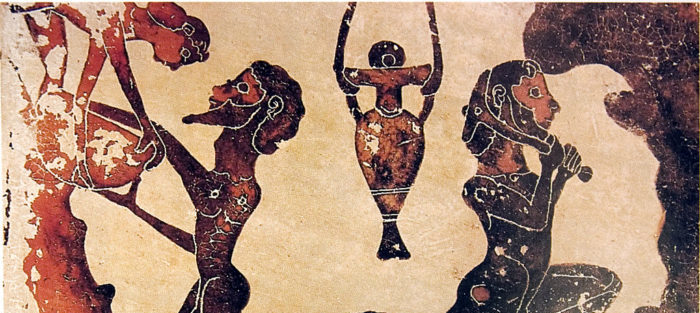
Women's Roles: Female slaves were the primary workforce within the domestic sphere. Their duties included the most time-consuming and labor-intensive tasks: spinning and weaving textiles, baking bread, hauling fresh water, and cleaning. They also played a central role in childcare, acting as nursemaids (trophoi) for infants.
Men's Roles: Male slaves were often the "public face" of the household. A male domestic slave frequently acted as a paidagogos—a trusted slave who escorted the master’s sons to school, tutored them, and ensured they were behaving according to social expectations. Others accompanied the master on trips, served as his representative in trade, or acted as "batmen" (attendants) during military campaigns.
Specialized Tasks: Highly skilled slaves were often employed for specific roles. There were anagnostae (educated slaves who read books aloud for their masters), attendants in bathhouses who removed body hair, and stewards who managed household accounts.
II. Integration and Status
While legally considered "chattel" (property), the social reality of domestic slaves was often more complex than that of industrial or agricultural slaves.
Rituals of Belonging: Upon being brought into a new household, a slave often underwent an initiation ritual similar to a bride. They were led to the hearth of the house, where the mistress would shower them with nuts, figs, and sweets. This gesture symbolized their integration into the oikos and established a lifelong, albeit subordinate, connection to the family.
Religious Participation: Unlike in many other slave-holding societies, Greek slaves were often permitted—and sometimes encouraged—to participate in household sacrifices and family cults. They were even allowed to be initiated into the Eleusinian Mysteries. This shared religious life created a subtle but significant social bond between the enslaved and the free.
Hierarchy of Rights: Though they lacked civic rights and were subject to their master’s discipline (floggings were common for misdemeanors), they were not entirely without protection. They could claim asylum in a temple, and there were legal limits to the violence a master could inflict, distinguishing their status from "absolute" property.
III. The Economic and Social Paradox
The dependence on this labor force created a profound contradiction in Greek society.
The "Invisible" Pillar: Domestic slaves were the "invisible" engine of the polis. By taking on the menial work of the household, they allowed the free citizen to leave the home and enter the public sphere. Without this labor, the political and intellectual vibrancy of cities like Athens could not have existed.
Fluidity and Freedom: Some domestic slaves had opportunities that were denied to those working in the harsh conditions of the silver mines. It was not uncommon for masters to allow slaves to earn their own money, save for their manumission (freedom), or even operate businesses, provided they paid a tax to the master. A slave who proved their "fidelity" (pistis) often held a position of trust that was socially respected, and some even continued to serve in the household after being freed.
Ultimately, the domestic slave was an essential, if subordinated, member of the Greek oikos. They lived in the same spaces, participated in the same religious rites, and were integral to the daily survival of the family, highlighting the uncomfortable reality that the celebrated "freedom" of the Greek citizen was deeply and inextricably tethered to the labor of the enslaved.