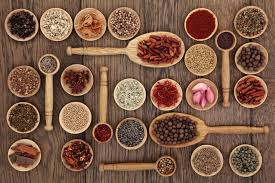
In ancient Greece, spices and herbs were far more than simple flavorings; they were the essential bridge between the kitchen, the pharmacy, and the temple. The ancient Greek approach to seasoning was defined by a commitment to balance—using aromatics to enhance the natural profile of ingredients rather than mask them.
I. The "Mediterranean Foundation" of Flavors
Greek culinary culture relied heavily on a consistent "palette" of locally available aromatics, often referred to today as the foundational Mediterranean herbs. These were rarely used in isolation; instead, they were combined with the "triad" of grain, grapes (wine), and olives (oil).
Oregano (Rigani): The undisputed king of Greek flavor. It thrived in the stony, sun-drenched soil of the Greek countryside and was used extensively in roasted meats, salads, and vegetable dishes.
Thyme and Rosemary: These were prized for their ability to withstand long, slow cooking. Thyme, in particular, was often infused into olive oil to act as both a flavoring and a preservative.
Mint and Dill: These provided a refreshing, cooling contrast to rich or heavy foods. They were frequently used in stews, grain dishes, and early versions of sauces.
Coriander and Cumin: These were staples for seasoning legumes and stews, adding an earthy, warm depth that helped balance the acidity of vinegar or wine-based sauces.
II. Spices as Status Symbols
While local herbs were everyday commodities, imported spices—such as cinnamon, cloves, and saffron—were markers of wealth and prestige.
Trade Routes: Spices arrived via long-distance trade routes from the East, making them luxury items. Serving dishes seasoned with these rare ingredients was a primary way for a host at a symposion to display their social standing.
Saffron: Imported from Persia and Asia Minor, it was used not just for its delicate aromatic note, but for the vibrant golden color it imparted to rice, desserts, and wines—a visual display of opulence that "gilded" the meal.
III. The Convergence of Food and Medicine
In the ancient Greek mind, there was no sharp distinction between a spice used in a stew and a spice used in a medicine cabinet. The physician Hippocrates and later writers like Galen emphasized that food was the primary form of medicine.
Digestive Aids: Spices like coriander, cumin, and dill were frequently prescribed to aid digestion, especially after the heavy meat-eating that occurred during public sacrifices.
Antiseptic Properties: Greeks intuitively understood the antibacterial power of herbs like thyme and oregano. In the warm Mediterranean climate, these herbs were not just flavorings; they were essential tools for keeping food safe and protecting the body’s "humors."
Formulas: Physicians created sophisticated spice blends to address specific ailments, essentially treating the kitchen as a laboratory for balancing the body.
IV. Sacred and Symbolic Usage
Spices and herbs were deeply woven into the religious life of the city.
Temple Offerings: Frankincense, myrrh, and cassia were not typically used for cooking but were burned as sacred incense. The act of cooking itself, particularly the sacrifice of animals, was a ritualistic process where the scent of burning fat and herbs served as an offering to the gods.
Symbolic Associations: Many herbs held mythological weight. Oregano was associated with joy and used in wedding crowns, while fennel was linked to Dionysus and believed to inspire creativity. These associations meant that every time a spice was added to a dish, it carried a layer of cultural and spiritual meaning beyond the plate.
In essence, the ancient Greek cook was a practitioner of harmony. By blending the wild, peppery notes of local oregano and thyme with the imported warmth of exotic spices, they created a cuisine that reflected their environment—sun-baked, resourceful, and deeply connected to their belief in a balanced, orderly universe.