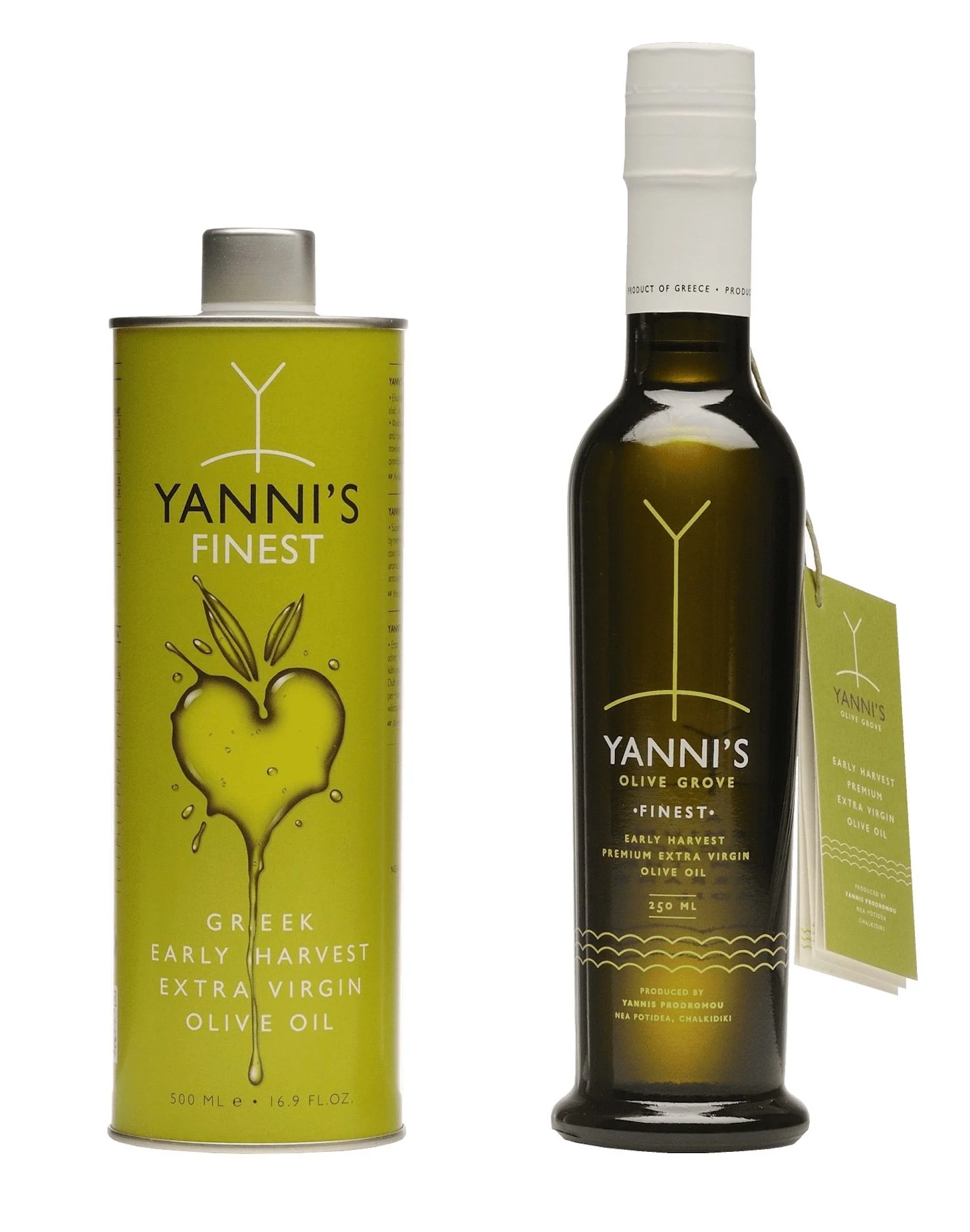
For Ancient Greeks, olive oil was much more than a food source; it was the "liquid gold" that fueled their lamps, cleansed their bodies in the gymnasium, and served as a primary export for their maritime economy. The process of extracting oil—from the harvest in late autumn to the final storage in clay jars—was a labor-intensive ritual that combined mechanical innovation with a deep respect for the sacred tree of Athena.
1. The Harvest: The Art of the Long Pole
The production cycle began between October and December. Timing was critical: olives picked green yielded a pungent, high-quality "medicinal" oil, while fully ripened black olives produced a smoother, more plentiful oil.
The Technique: Rather than climbing the trees and risking damage to the branches, Greeks used long, flexible poles to beat the trees (rabdismos), causing the ripe fruit to fall onto woven mats spread across the ground.
Sorting: Once collected, the olives had to be processed immediately. They were cleaned of leaves and twigs and washed in large stone troughs to ensure the resulting oil was pure.
2. The Milling: Breaking the Fruit
The first mechanical step was to crush the olives into a pulpy paste (amurca) without crushing the pits, which would release bitter tannins.
The Trapetum: This was a sophisticated stone mill consisting of a large, bowl-shaped mortar and two hemispherical grinding stones. These stones were carefully balanced on an iron pivot so they could rotate and spin simultaneously, hovering just millimeters above the mortar to mash the flesh while leaving the stones intact.
The Mortarium: In simpler "Old Style" operations, farmers used a flat stone bed and a heavy cylindrical roller, though this required significantly more physical power.
3. The Pressing: Extracting the Liquid
Once the olives were turned into a thick paste, they were transferred to "frails"—flat, circular woven baskets made of reed or hemp. These baskets acted as a natural filter.
The Beam Press (Oropidion): This was the powerhouse of the Greek farm. The baskets were stacked under a massive wooden beam anchored into a wall. On the other end, heavy stone weights or a winch system pulled the beam down, applying immense pressure to the stack.
The First Press: The very first liquid to flow out was the most prized—virgin oil. As pressure increased, a mixture of oil and "bitter water" (amurca) would seep through the baskets and into a collecting vat.
4. Decantation: The Separation of Fluids
The liquid collected from the press was a murky combination of oil and watery fruit juice. Since oil is less dense than water, the Greeks used the natural process of decantation to separate them.
Settling Vats: The mixture was poured into large stone or clay tanks. After several days, the pure oil would rise to the surface.
The Ladle Method: Skilled workers would carefully skim the golden oil off the top using shallow ladles. Some vats featured a "tap" at the bottom to drain away the dark, bitter water, leaving only the oil behind.
5. Storage and the Amphora
Olive oil is sensitive to light, heat, and oxygen. To preserve it for trade across the Mediterranean, the Greeks developed specialized storage solutions.
The Pithos: Large, stationary jars partially buried in the cool earthen floors of storerooms kept the oil at a stable temperature.
The Transport Amphora: For export, the oil was transferred to ceramic amphorae. These had pointed bottoms, allowing them to be packed tightly into the sandy or wooden holds of merchant ships without rolling.
Sealing: The jars were sealed with clay or wax stoppers to prevent rancidity, ensuring the oil remained fresh from the groves of Attica to the markets of the Black Sea.
6. The "Scraping" Ritual
While much of the oil was eaten, a significant portion was used for hygiene. In the Gymnasion, athletes would coat their bodies in oil before exercise.
The Strigil: After training, they used a curved metal tool called a strigil to scrape away the mixture of oil, sweat, and dust. This was considered the most effective way to cleanse the skin in an era before soap, and the "Old Style" of this ritual was so iconic it became a favorite subject for Greek sculptors.