The Erinyes (known in Latin as the Furiae or Furies) are primordial deities who embody the concept of retributive justice—the relentless, inevitable punishment for those who violate the sacred order of the universe, particularly regarding family, blood-kin, and oaths.
I. Origins and Nature
Their genesis is rooted in the most violent foundational myth of the Greek cosmos. According to Hesiod, they were born from the drops of blood that fell onto the earth when the Titan Cronus castrated his father, Uranus.
This origin identifies them as entities older than the Olympian gods, existing before the structured, rational reign of Zeus. Because they sprang from the blood of the sky-god hitting the earth, they are inexorably tied to the foundational laws of nature, family, and the sanctity of the bloodline. In other accounts, they are described as the daughters of Nyx (Night), emphasizing their connection to darkness and the hidden, subterranean forces that govern the subconscious.
II. The Trio of Retribution
While their numbers are sometimes debated, they are traditionally depicted as a triad, each personifying a specific facet of vengeful torment:
Alecto (The Unceasing): Represents the anger that never sleeps. She is the embodiment of the inescapable nature of guilt, ensuring that the target is never allowed peace.
Megaera (The Jealous/Grudging): Represents the punitive aspect of vengeance, focusing on retribution for crimes of infidelity, theft, and interpersonal betrayal.
Tisiphone (The Avenger of Murder): The most violent of the three, she is specifically concerned with blood-guilt and those who shed the blood of their own kin.
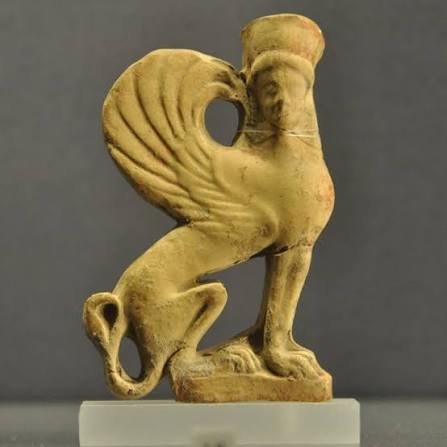
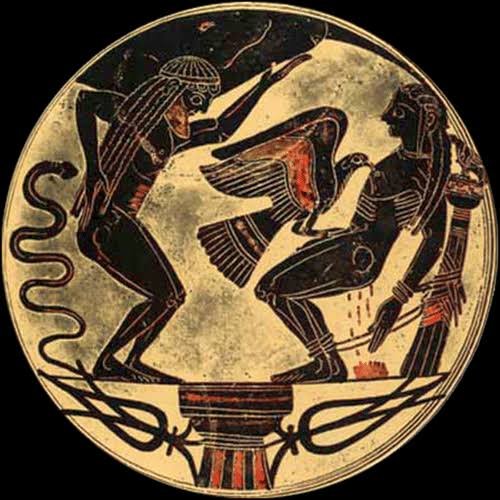
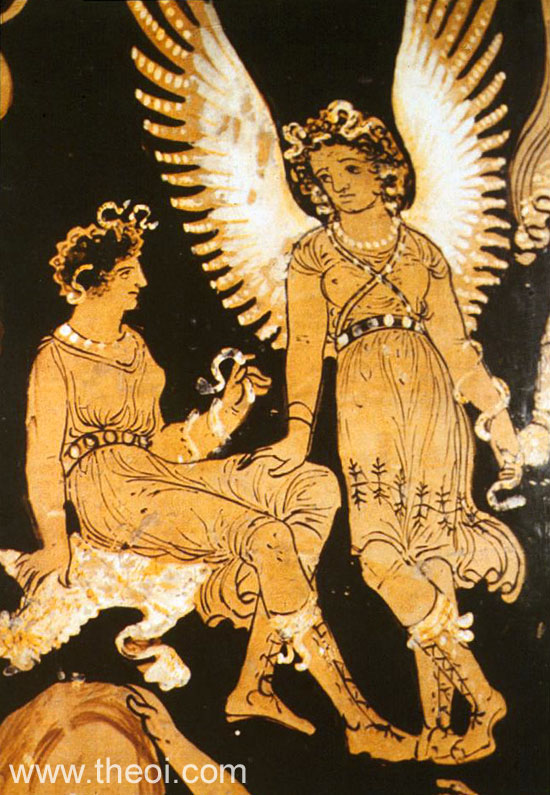
They were frequently visualized as terrifying chthonic figures—women with wings, snakes for hair, eyes dripping with blood, and carrying brass-studded scourges or torches.
III. The Function of the "Kindly Ones"
The most profound examination of the Erinyes occurs in Aeschylus’s Oresteia. In the final play, The Eumenides, the Erinyes are depicted pursuing Orestes for the matricide of his mother, Clytemnestra.
This conflict serves as an allegory for a seismic shift in Greek society:
The Transition: Through the intervention of Athena, who establishes the first court of law (the Areopagus) in Athens, the cycle of private, endless blood-feuds is replaced by a public, state-governed legal system.
The Transformation: When the jury reaches a tied vote, Athena casts the final vote for acquittal, ending the cycle of vengeance. To pacify the vengeful deities, Athena offers them a new status and a shrine in Athens. They are renamed the Eumenides ("The Kindly Ones").
Symbolic Meaning: This transformation signifies that the raw, chaotic energy of primitive revenge was not destroyed, but rather "civilized" and integrated into the structure of a functioning society. The "Furies" became guardians of justice and the social order, ensuring that vengeance was handled by the state rather than individuals.
The myth of the Erinyes captures a moment in human history where the impulse for personal, visceral retaliation was domesticated into the formal, impersonal process of law.