Introduction
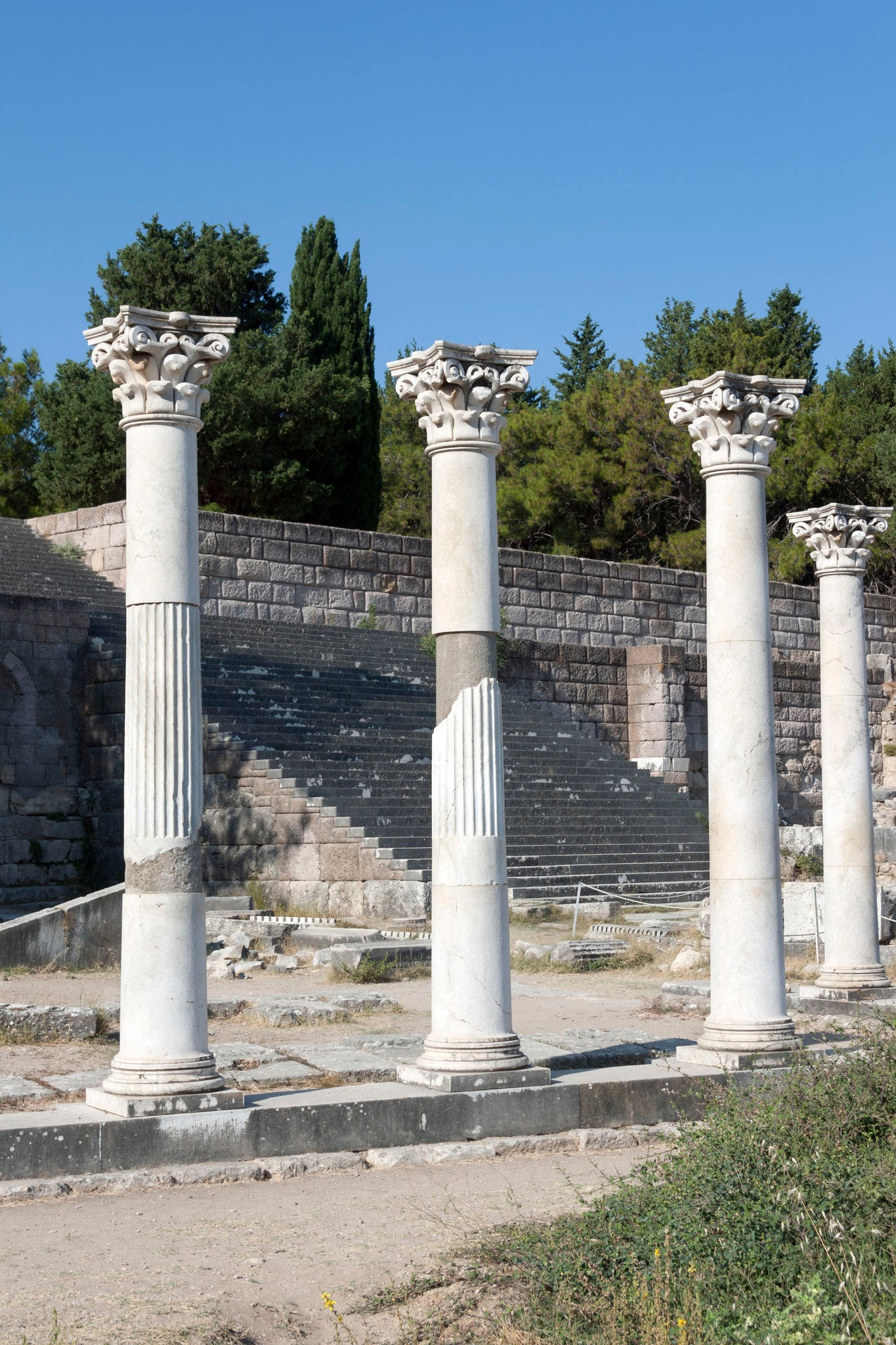
In the ancient Greek world, medicine and religion were not opposing forces, but rather deeply intertwined components of a holistic approach to human wellness. While secular physicians practiced physical treatments, thousands of citizens flocking to sanctuaries dedicated to Asclepius—the divine god of medicine—sought supernatural interventions. At the heart of these sacred sanctuaries (Asclepieia), such as the massive complexes at Epidaurus, Cos, and Pergamon, temple priests served as vital intermediaries. They were responsible for maintaining the spiritual purity of the sanctuary, guiding patients through intensive psychological preparation, and interpreting the divine dreams that laid the groundwork for recovery.
The Ritual Logistics of Incubation and Dream Interpretation
The operational core of a healing temple was centered on the practice of incubation (enkoimesis). Upon arriving at the sanctuary, a patient did not immediately receive treatment; the temple priests first subjected them to a rigorous process of physical and spiritual purification. This required ritual bathing in sacred springs, prolonged fasting, and offering animal sacrifices to clear the mind and body of profane corruption.
Once purified, the priests led the supplicants into the aton (or abaton)—a long, dimly lit portico specifically designed for sleep. Wrapped in animal skins, patients spent the night on the stone floor, waiting for the god Asclepius to visit them in their sleep.
During the night, the god was believed to manifest in dreams, either curing the affliction instantly through miraculous surgery or delivering cryptic, symbolic instructions. The following morning, the temple priests stepped in to perform their most critical task: interpreting these visions.
The priests combined deep mythological knowledge with extensive empirical observations of human psychology. They translated the patient's dream symbols into a highly detailed, practical treatment regimen. This custom plan typically mandated specific mineral baths, rigorous exercise at the temple gymnasium, strict dietary restrictions, or the application of herbal poultices, effectively bridging the gap between divine command and practical medicine.
Conclusion
The strategic role of the priests within the Asclepieia unmasks a highly sophisticated understanding of psychosomatic health. By creating a dramatic atmosphere of absolute purity and divine expectation, the priests successfully induced a powerful placebo effect that significantly reduced patient anxiety and amplified the body's natural healing capabilities. The temple ruins and surviving stone inscriptions (iamata) documenting these recoveries stand as a lasting monument to a society that recognized that true wellness requires treating the human mind, spirit, and body as a unified whole.