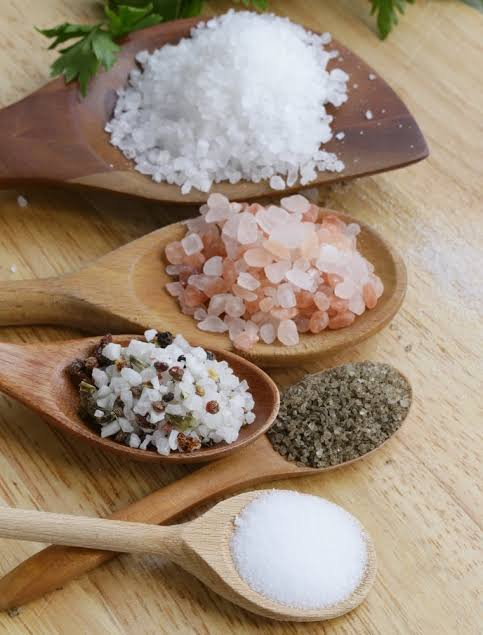
In the modern globalized world, salt is treated as a trivial, low-cost commodity. In ancient Greece, however, salt—known as halas ($\ddot \alpha \lambda \alpha \varsigma$)—was a strategic resource of immense geopolitical, economic, and biological value. It was frequently equated with divine purity, serving as an essential engine for maritime commerce, a cornerstone of culinary preservation, and an indispensable element of religious sacrifice.
The Industrial Extraction: Solar Salt Pans
The Greeks sourced their salt primarily from the ocean rather than inland mining, utilizing a sophisticated network of coastal salt pans known as alikai. Engineers selected flat, low-lying coastal marshes or clay flats, dividing them into a series of shallow, cascading earthen basins separated by low dikes.
During high spring tides, seawater filled the primary basins. The sluice gates were then closed, trapping the water.
Under the scorching Mediterranean summer sun, solar evaporation accelerated rapidly. As the water volume decreased, salinity crossed the crystallization threshold, leaving behind a thick, sparkling crust of pure sodium chloride ($NaCl$). This salt was harvested using wide wooden shovels, packed into wicker baskets, and transported inland via pack mules.
The Preservative Engine of Trade
The primary economic value of salt was not flavor enhancement, but its role as an ancient refrigeration alternative. Without salt, the rapid urbanization of the classical world would have been physically impossible:
Tarichos Production: As explored in maritime studies, the fishing industry relied entirely on salt to convert highly perishable pelagic catches into tarichos (salted fish), which could be packed into amphorae and traded across thousands of miles.
The Slave Trade Fluidity: Salt was so universally liquid as a medium of exchange that it functioned as a primitive currency. The Greeks regularly traded salt for human labor; prisoners of war and foreign slaves were frequently purchased directly from northern tribes using weight-equivalent volumes of salt, giving rise to the ancient idiom "not worth his salt."
Culinary Philosophy and Garum
In the Greek kitchen, salt was viewed as a transformative element that brought harmony to the human body. The Greeks believed that foods in their raw state were structurally unbalanced; salt acted as a digestive fire that "cooked" and purified ingredients.
The definitive expression of this culinary philosophy was the mass production of garum (or g独立), a highly concentrated, sharp, and intensely salty fermented fish sauce.
   [ PELAGIC TRIMMINGS & VISCERA ] ──► Layered with Heavy Rock Salt (Vats)
                                                 │
                                      (Solar Autolysis Phase)
                                                 │
                                                 ▼
   [ EXUDED LIQUID FILTRATION ] ◄──── Pure Garum: The Salty Umami Backbone
To make garum, fish viscera, blood, and small anchovies were layered with heavy amounts of rock salt inside large open-air ceramic vats. The mixture was left to ferment in the sun for several months, triggering an intense enzymatic breakdown (autolysis).
The exuded amber liquid was carefully filtered and used as the primary seasoning across all tiers of Greek society, providing a rich, salty, umami backbone to vegetables, grains, and meats, proving that salt was the absolute chemical fuel that kept the ancient Mediterranean diet structurally viable.