• Home page/Blog
    • Ancient Greece
    • Archaeology
    • Mythology
    • Architecture
    • Artefact
    • Inventions
    • Tourism
    • News
    • Science
    • General
    • Weird
    • Recipes
    • Blog
  • About
  • Contact
Menu

GHD

  • Home page/Blog
  • History
    • Ancient Greece
    • Archaeology
    • Mythology
  • Art
    • Architecture
    • Artefact
    • Inventions
  • Travel
    • Tourism
  • Other
    • News
    • Science
    • General
    • Weird
    • Recipes
    • Blog
  • About
  • Contact
No results found

The Role of Shepherds in Greek Society

July 9, 2026

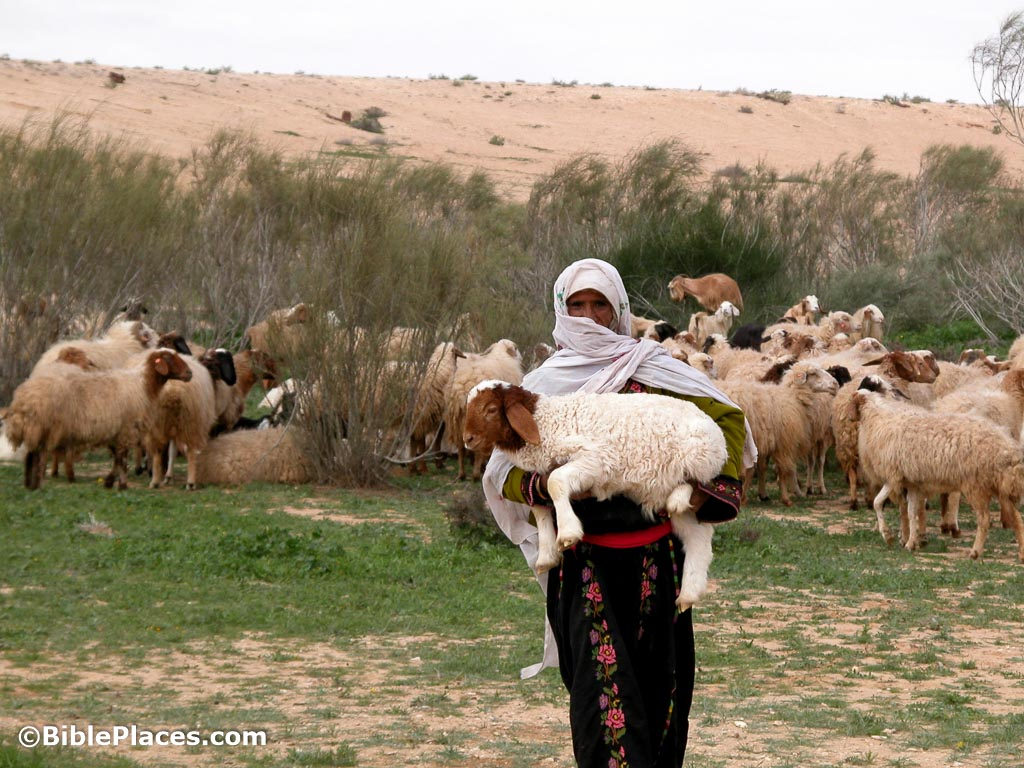
While the elite citizens of the urban polis dominated the political assemblies and written records, the rugged, mountain-dominated landscape of mainland Greece meant that shepherds (poimenes) formed the quiet backbone of the rural economy.

  • The Transhumance Cycle: Greek shepherds practiced transhumance—the strategic, seasonal movement of livestock. In the scorching summer months, they drove massive flocks of sheep and goats up into the cool, high-altitude alpine pastures of Arcadia, Pindus, or Mount Cithaeron. When winter approached, they migrated down into the milder, coastal lowlands and fallow agricultural fields, a cycle requiring deep ecological knowledge and survival skills.

  • The Pastoral Economy: Shepherds were the primary suppliers of raw materials for daily survival. Because cattle required flat, fertile plains (a luxury in rocky Greece), sheep and goats provided the essential proteins: cheese (tyros), milk, and meat for religious sacrifices. More importantly, they cultivated the wool (erion) that every single household relied upon for weaving tunics and cloaks.

  • Social Isolation and Literary Idealization: Despite their economic necessity, real shepherds occupied a marginal, low-status social position. They spent months isolated from civic life, sleeping in temporary brushwood huts, defending their flocks from wolves with large mastiff dogs, and operating outside the civilized boundaries of the city. Ironically, this isolation caused urban elites to romanticize them, inventing the "pastoral" genre of poetry (pioneered by Theocritus) that falsely painted the shepherd’s life as a carefree, musical utopia.


← How Greek Merchants Traded Across the MediterraneanHow Ancient Greeks Built Their Ships →
Featured
image_2026-06-30_224300876.png
July 9, 2026
How Ancient Greeks Built Their Ships
July 9, 2026
July 9, 2026
image_2026-06-30_224232440.png
July 9, 2026
The Art of Glassmaking in Ancient Greece
July 9, 2026
July 9, 2026
image_2026-07-01_220444120.png
July 9, 2026
The Role of Wild Animals in Greek Folklore
July 9, 2026
July 9, 2026
image_2026-07-01_220410684.png
July 9, 2026
How Ancient Greeks Built Their Bridges and Roads
July 9, 2026
July 9, 2026
image_2026-07-01_220335525.png
July 9, 2026
The Influence of Greek Mythology on Jewelry Designs
July 9, 2026
July 9, 2026
image_2026-07-01_220256483.png
July 9, 2026
The Role of Astrology in Greek Decision-Making
July 9, 2026
July 9, 2026
image_2026-07-01_220221037.png
July 9, 2026
The Greek Concept of Social Status and Clothing
July 9, 2026
July 9, 2026
image_2026-07-01_220123080.png
July 9, 2026
How Greek Merchants Traded Across the Mediterranean
July 9, 2026
July 9, 2026
SEE MORE

Powered by ©GreeceHighDefinition / Privacy Policy