The ceramic vessels of ancient Greece—ranging from utilitarian transport amphorae to exquisitely decorated sympotic mixing kraters—have exerted a monumental, transformative influence on Western aesthetics, echoing vividly through the masterworks of modern art. When modern artists at the turn of the twentieth century sought to break free from the suffocating, rigid realism of academic painting, they looked back to the archaic and classical Greek vases. In those ancient lines, they found a revolutionary blueprint for treating the human form through abstract geometry, stark color contrasts, and stylized spatial flatness.
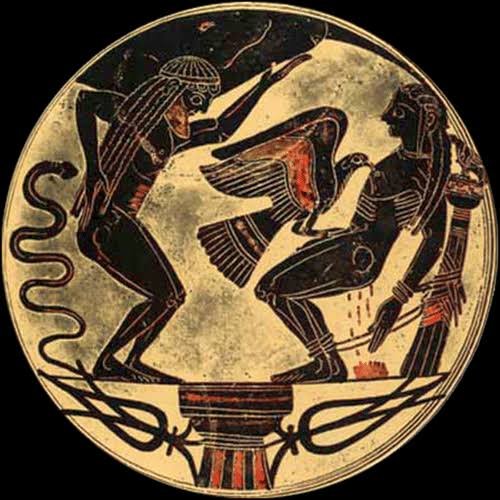
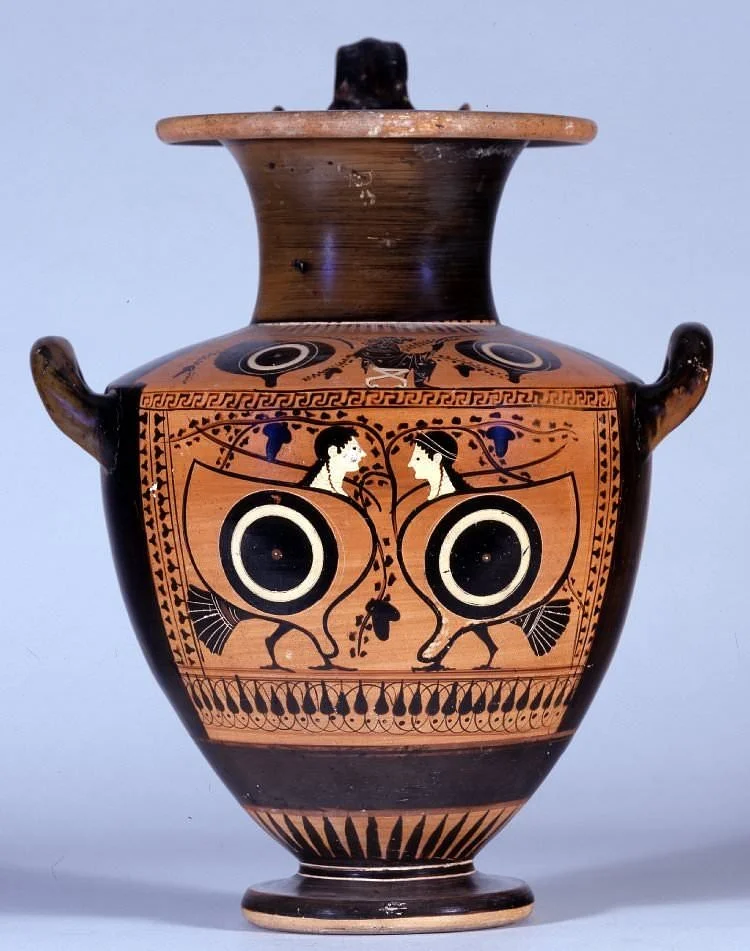
The geometric clarity of early Attic pottery, with its rigid bands of repetitive meanders and highly abstracted silhouettes, provided direct inspiration for the pioneers of Cubism and abstract art. Artists like Pablo Picasso and Georges Braque closely studied the collections of the Louvre, observing how ancient vase painters translated three-dimensional space onto a curved, two-dimensional clay canvas without utilizing linear perspective. Picasso’s radical simplification of anatomy into sharp geometric planes and flat profiles during his African and proto-Cubist periods directly mirrored the ancient black-figure technique, where complex muscle groups were reduced to stark profiles.
Furthermore, the linear fluidity of the classical red-figure technique deeply impacted the development of modern expressionist line work and minimalist draftsmanship. In the art of Henri Matisse, the continuous, sweeping contour lines that define his famous cutouts and minimalist nude drawings mirror the fluid, elegant brushwork of ancient masters like the Berlin Painter or Exekias. Matisse captured the same rhythmic essence, using a single, unbroken outline to suggest bulk, movement, and emotional depth without relying on complex shading or atmospheric rendering. This celebration of flat surface tension and expressive borders became a hallmark of modern textile design and graphic illustration.
Beyond individual styles, the conceptual framework of Greek pottery—where utilitarian objects functioned simultaneously as highly valued narrative art—reshaped modern decorative arts and industrial design movements like Art Deco. Ceramicists and painters realized that the form of a vessel could dictate its narrative rhythm, using the natural curves of clay to frame human stories. By stripping away the heavy illusions of oil paintings on canvas and returning to the raw clarity of the ancient line, modern artists revitalized their work, ensuring that classical Greek ceramic traditions remained a vital, living language in the contemporary era.