How Ancient Greek Masters Turned Fire, Wax, and Molten Bronze Into Statues That Survived for 2,000 Years
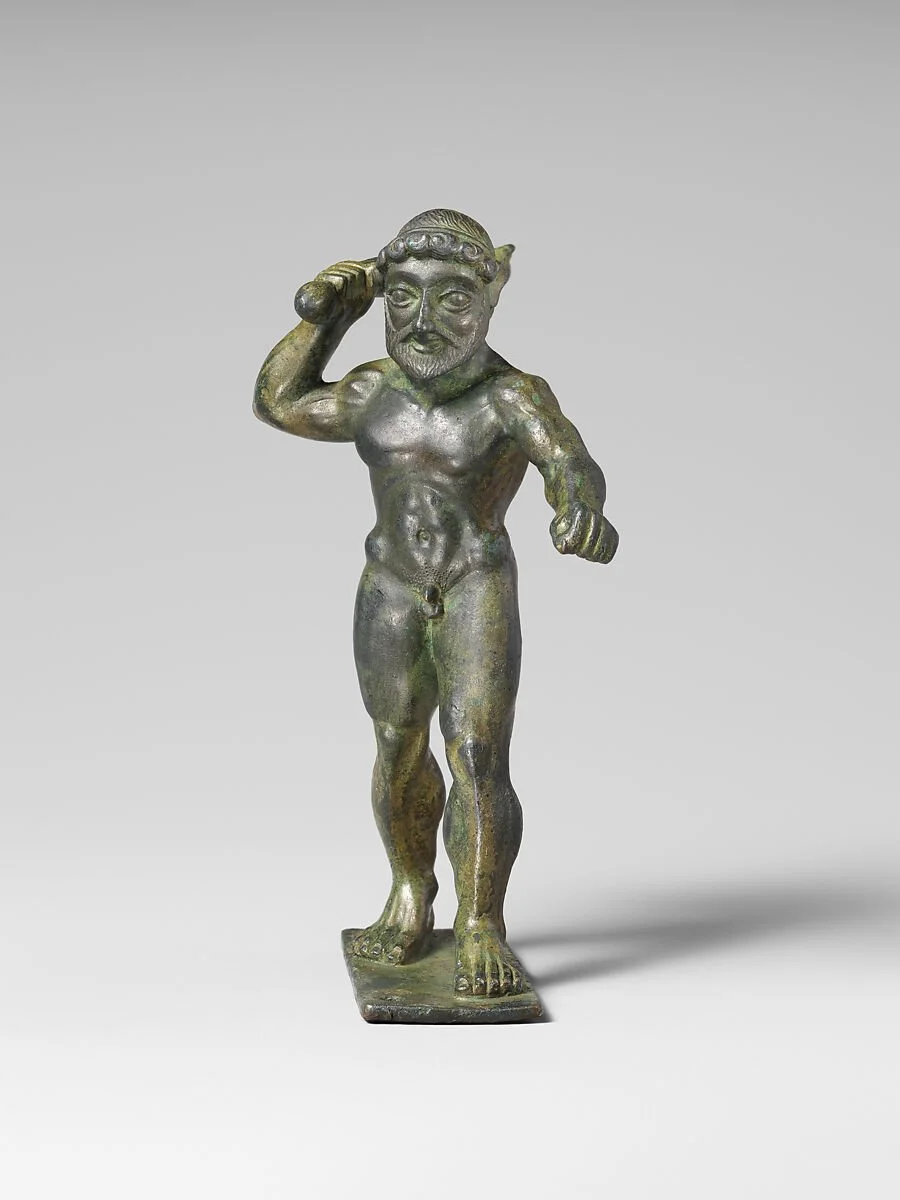
Ancient Greek bronze statues are among the greatest technological and artistic achievements of the classical world. Although modern museums are filled with Greek marble sculpture, bronze was once an equally important—and in some cases even more prestigious—material. Unfortunately, bronze was valuable. After antiquity, countless statues were melted down and recycled into weapons, tools, coins, and new works of art. As a result, surviving examples represent only a tiny fraction of the bronze sculpture once produced across the Greek world.
Creating a life-sized bronze statue required far more than artistic talent. It demanded knowledge of metallurgy, furnace construction, mold-making, wax modeling, joining techniques, finishing, and the behavior of molten metal. The process was dangerous, expensive, and technically demanding.
The famous lost-wax casting technique, known in Greek and later Mediterranean metalworking traditions, allowed sculptors to transform a model into a hollow bronze form. Major statues were often produced in separate sections and then assembled. After casting, artists could add fine details, repair imperfections, polish surfaces, and insert other materials for the eyes, lips, teeth, or decorative features.
The result could appear astonishingly lifelike.
Unlike marble, bronze allowed sculptors to create extended arms, dramatic poses, and thinner structural elements without requiring as much supporting material. This gave Greek artists greater freedom to explore movement and anatomy.
Bronze Was Not a Single Substance
Ancient bronze was generally an alloy based primarily on copper and tin, although the exact composition could vary. Other metals, including lead, might also be present depending on the desired casting properties and the available materials.
The production process began long before the sculptor approached the furnace.
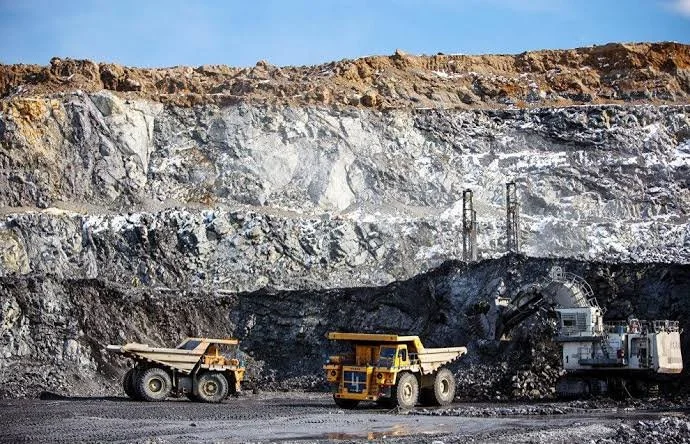
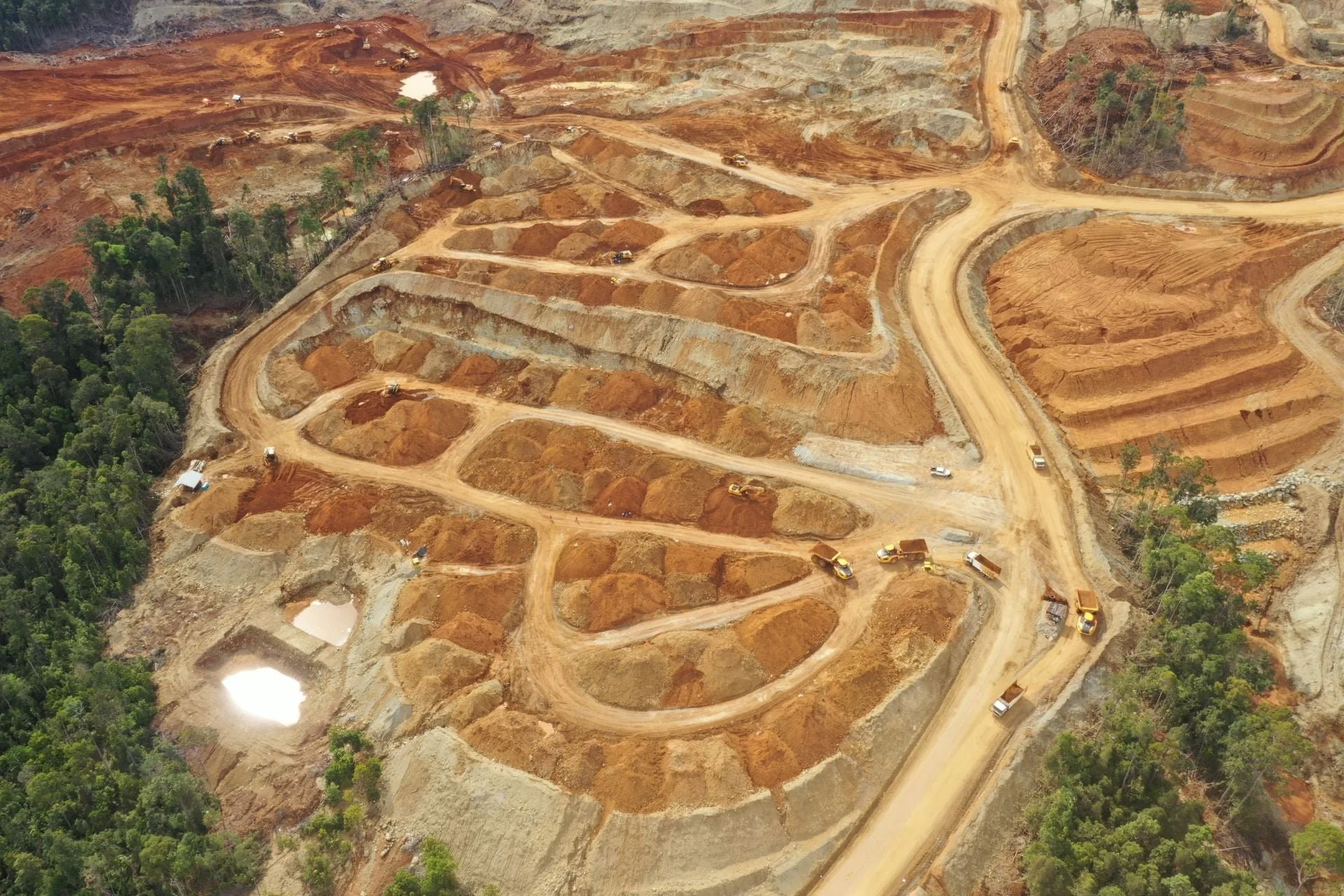
Copper had to be mined and processed.
Tin was obtained through long-distance trade networks because suitable sources were not equally available everywhere in the Greek world.
This means that every large bronze statue was also a product of ancient economics and international exchange.
A monumental statue could represent:
Artistic skill.
Access to expensive raw materials.
Specialized labor.
Trade connections.
Wealth and political power.
A city commissioning a major bronze monument was displaying more than aesthetic taste. It was demonstrating resources.
The Lost-Wax Process
One of the most sophisticated techniques used in ancient bronze sculpture involved creating a model in wax.
The general process could involve several stages.
First, an artist developed a core made from clay or another refractory material.
A layer of wax was then shaped over the core.
This wax layer represented the final thickness and form of the bronze sculpture.
The artist could add anatomical details directly to the wax.
Hair.
Muscles.
Facial features.
Clothing.
Jewelry.
Every detail could be modeled before the metal was poured.
The wax model was then covered with layers of clay to create an outer mold.
When heated, the wax melted and escaped through channels.
This created a hollow space between the inner core and outer mold.
Molten bronze could then be poured into that space.
When the metal cooled and solidified, the outer mold was removed.
The bronze statue emerged.
But the process was far from finished.
Why It Was Called “Lost Wax”
The name comes from the fact that the original wax model was destroyed during casting.
Once heated, the wax melted away.
The artist could not simply reuse the exact model.
This made each casting unique.
The process was therefore both creative and irreversible.
A mistake during casting could be catastrophic.
If the metal failed to fill part of the mold, the sculpture might develop defects.
If the mold cracked, molten metal could escape.
If the temperature was incorrect, the casting could fail.
The workshop required experience and careful control.
Casting a Giant Statue in Pieces
A large human figure was often too complex to cast as one enormous object.
Instead, different sections could be produced separately.
These might include:
The head.
The torso.
Arms.
Legs.
Hands.
Feet.
The sections were later joined.
Greek bronze workers developed sophisticated methods of mechanical and metallurgical assembly.
Joints could be carefully concealed within the anatomy of the sculpture.
After finishing, a viewer might not immediately recognize where one cast section ended and another began.
Fire and the Ancient Furnace
Producing molten bronze required extremely high temperatures.
Ancient metalworkers relied on furnaces fueled by materials such as charcoal.
Airflow was essential.
Bellows could increase oxygen and intensify combustion.
The control of heat was one of the blacksmith's greatest skills.
Too little heat and the metal would not flow properly.
Too much uncontrolled heat could damage equipment or create other problems.
Ancient metalworking was therefore an empirical science.
Craftspeople may not have understood metallurgy using modern chemical terminology, but they understood materials through generations of practical observation.
They knew what happened when metals were heated.
They understood color changes.
They recognized fluidity.
They learned how alloys behaved.
Their knowledge was practical, experimental, and highly specialized.
Creating the Illusion of Living Flesh
The greatest Greek bronze statues were not simply metal objects.
They were attempts to create the appearance of living bodies.
Artists studied:
Anatomy.
Balance.
Weight distribution.
Muscle tension.
Movement.
Bronze was particularly suited to this goal.
A sculptor could create a figure with an arm extended into space or a body balanced dynamically on one leg.
This contributed to the increasing naturalism associated with Greek sculpture.
The Eyes Were Often Not Bronze
One of the reasons surviving Greek bronzes can appear strangely empty today is that many originally contained inserted eyes.
Artists could use different materials to create realistic effects.
Possible materials included:
Stone.
Glass.
Bone.
Ivory.
The contrast between the bronze face and carefully constructed eyes could produce an extraordinary sense of life.
Some statues also incorporated other metals.
Copper could be used to create reddish details such as lips or nipples.
Silver might be used for teeth or other features.
The statue was therefore sometimes a complex assembly of multiple materials.
The Final Stage: Chasing and Polishing
Casting did not automatically produce a perfect surface.
Metalworkers had to finish the bronze.
This could involve chasing, a process in which tools were used to refine details.
Artists could sharpen:
Hair.
Eyelids.
Fingernails.
Muscular definition.
Clothing folds.
Imperfections could also be repaired.
Finally, surfaces were polished.
The finished statue may have looked dramatically different from the green or darkened bronzes displayed in museums today.
Ancient bronze originally possessed a metallic surface that changed through time.
The famous green patina often seen today developed through chemical reactions during burial or exposure.
The Tragedy of Lost Greek Bronzes
Thousands of ancient bronze statues probably disappeared because bronze could be recycled.
A damaged statue was a source of valuable metal.
During warfare, economic crises, or later periods of reuse, monuments could be melted down.
This means surviving examples are often exceptional cases.
Some survived because they sank in shipwrecks.
Others were buried.
A statue that fell into the sea could accidentally escape the recycling furnace.
Why Greek Bronze Technology Was Revolutionary
Greek bronze sculpture combined art and engineering.
The sculptor needed artistic imagination.
The metalworker needed technical expertise.
The furnace operator needed experience.
The patron needed wealth.
The final statue represented the work of an entire technological system.
When we look at a surviving Greek bronze today, we are not simply looking at ancient art.
We are looking at the product of mining, trade, chemistry, engineering, and artistic genius.
The statue may appear silent.
But it was born in noise.
The roar of the furnace.
The movement of bellows.
The pouring of molten metal.
The striking of finishing tools.
And somewhere in an ancient workshop, fire transformed liquid metal into a human form that could survive for more than two thousand years.