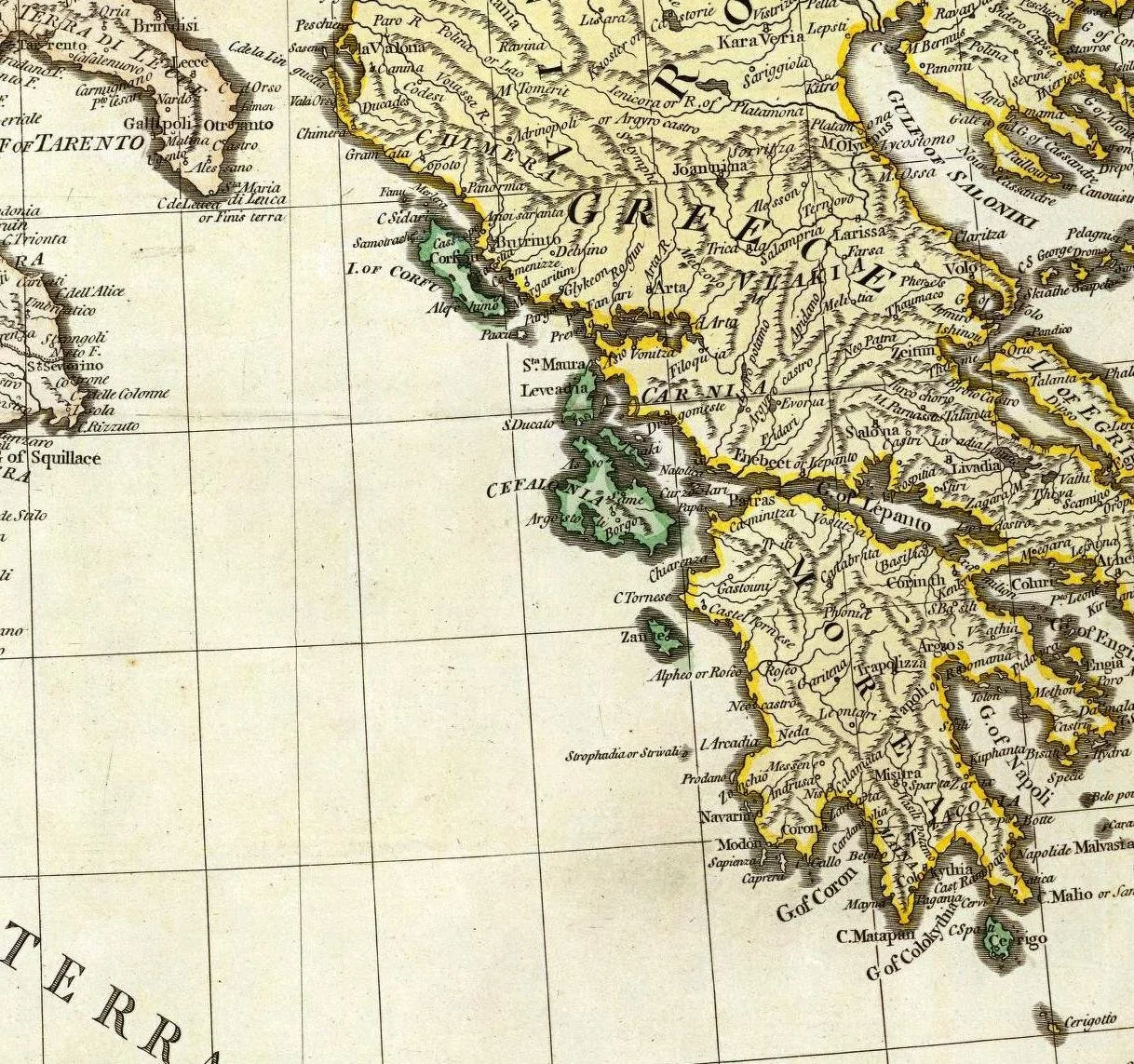
The statue of Zeus is known as one of the seven wonders of the ancient world. It is said to have stood in Olympia, on the Greek peninsula of Peloponnesus. In 800 B.C., the Greeks began holding a sporting event every four years to honor the gods in Olympia. Before entering the arena, the athletes made a sacrifice to Zeus and swore an oath of fairness. Today there is nothing left of the mighty temple that housed the famous statue of Zeus in antiquity.
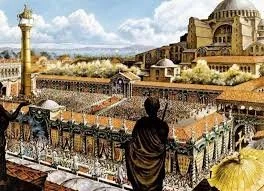
Natural disasters have completely destroyed the once hallowed site. This graphic reproduction nevertheless provides us with a look into the past. The temple, a 20-meter-high columned hall, had a roof made of marble panels. Inside its walls resided the statue of Zeus, acknowledged today as one of the seven wonders of the ancient world. It was 1766 before an English researcher rediscovered the lost site. Years later, German scientists began excavating sculptures and remnants of the columns, which had been perfectly preserved by a thick layer of mud. But no traces were found of the legendary image of Zeus. According to some sources, the statue of Olympia's ruler was destroyed when Emperor Theodosius II banned the games in 426 and closed the temple. Other sources allege that the statue was dismantled and transported to Constantinople, where it was reportedly burned.
Although the statue was destroyed, a number of sources enable us today to create a precise reconstruction of the 12-meter-high statue of the seated figure. The sculpture's fame had already spread far beyond Greece's borders even in antiquity. It was created in 430 B.C. by the renowned sculptor Phidias, who had previously completed the statue of Athena on the Acropolis. In the hands of the famous sculptor, ivory and gold were formed into a work of art that was revered far and wide for its beauty and aura. The statue of Zeus at Olympia - a world wonder of antiquity.
Watch the video for more about the Statue of Zeus at Olympia: