By N.S. Gill
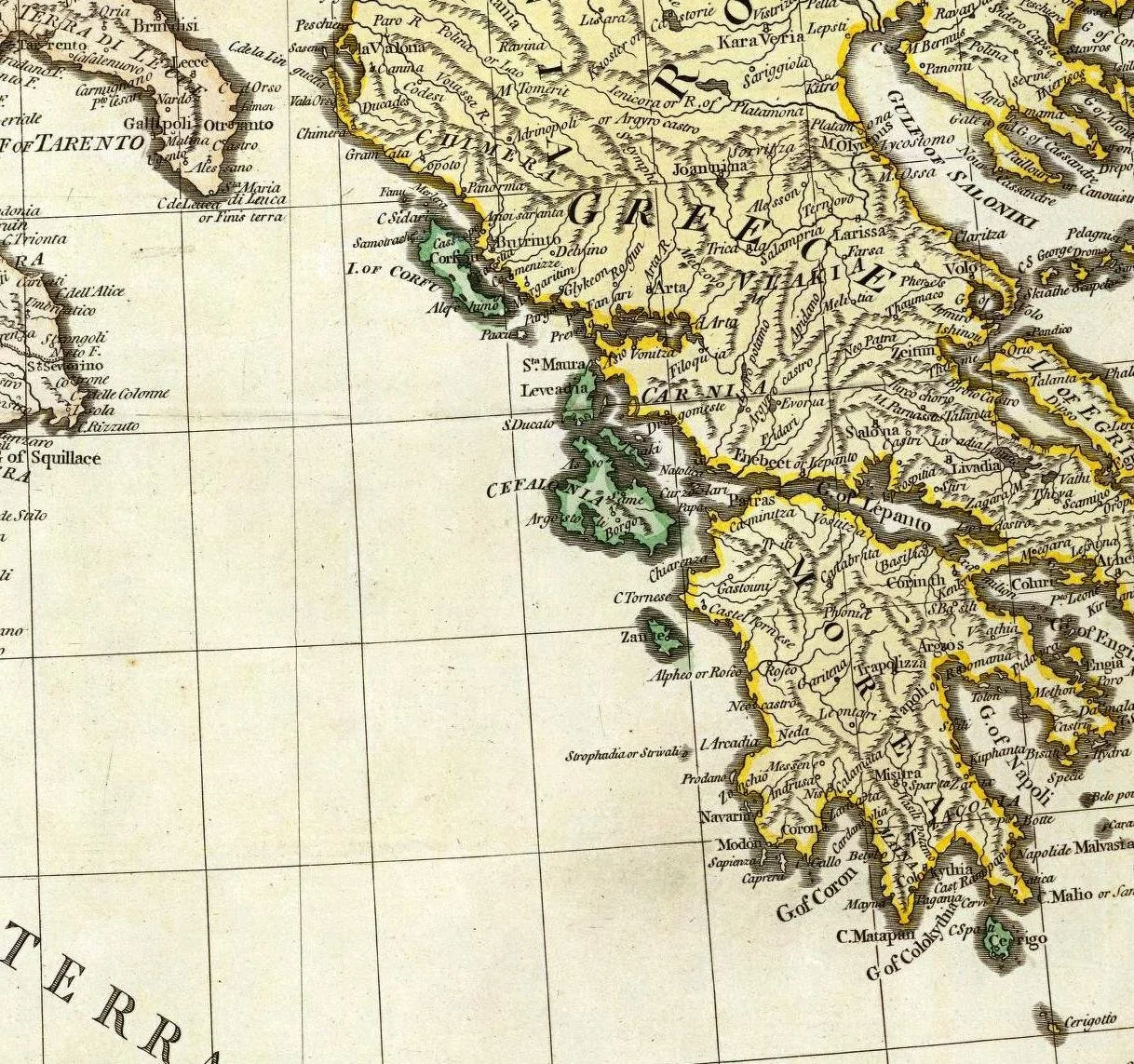
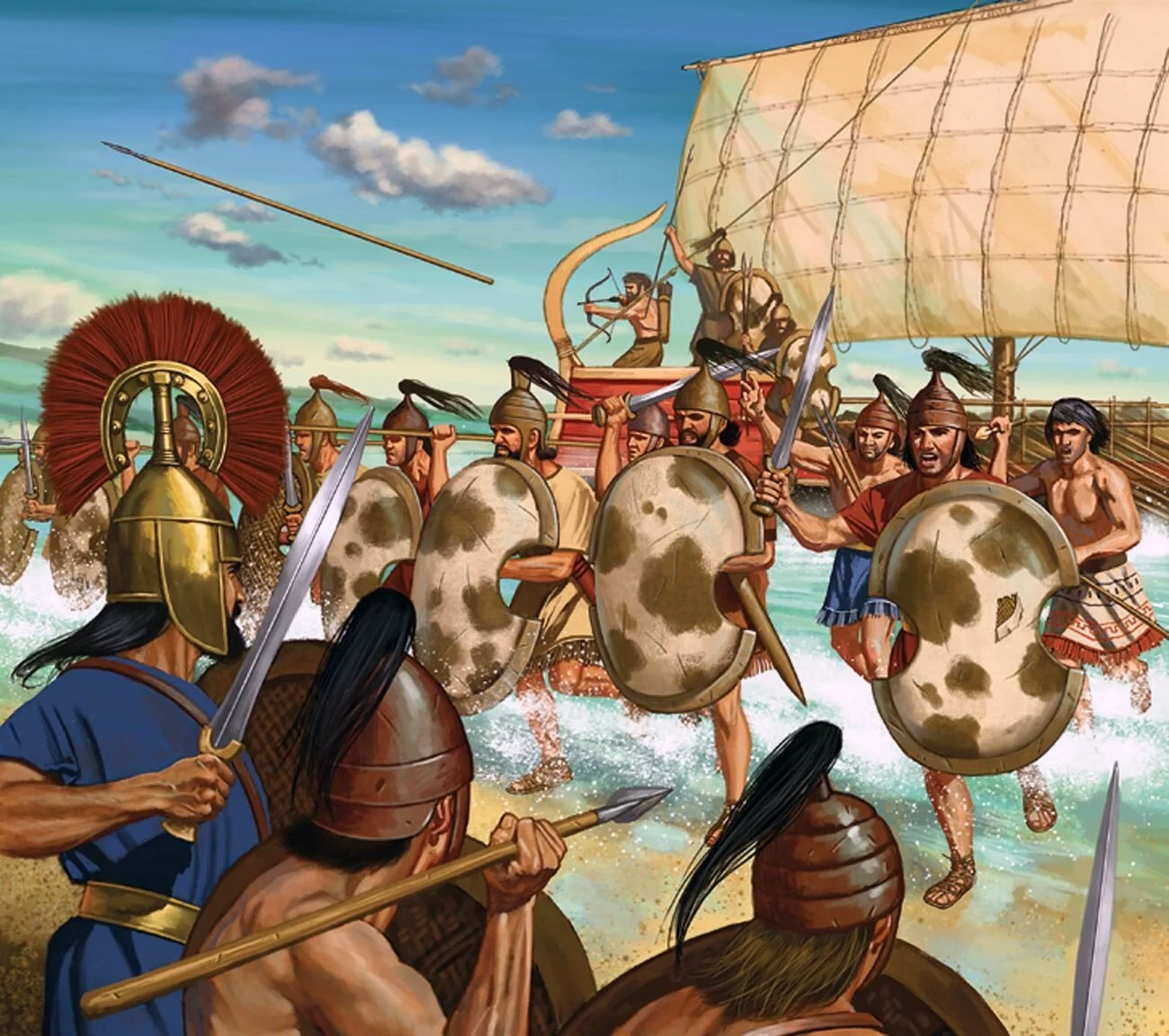
In about 1100 B.C., a group of men from the North, who spoke Greek, invaded the Peloponnese. It is believed that an enemy, Eurystheus of Mycenae, is the leader who invaded The Dorians. The Dorians were considered the people of ancient Greece and received their mythological name from the son of Hellen, Dorus. Their name also derives from Doris, a small place in the middle of Greece.
The origin of the Dorians is not completely certain, though the general belief is that they are from Epirus or Macedonia. According to the ancient Greeks, it is possible there could have been such an invasion. If there was one, it might explain the loss of the Mycenaean civilization. Currently, there is a lack of evidence, despite 200 years worth of research.
The Dark Age
The end of Mycenaean civilization led to a Dark Age (1200 – 800 B.C.) which we know very little about, apart from archaeology. Specifically, when The Dorians conquered the Minoans and Mycenaean civilizations, The Dark Age emerged. It was the period in which the harder and cheaper metal iron replaced bronze as a material for weapons and farm implements. The Dark Age ended when the Archaic Age began in the 8th century.
The Culture of the Dorians
The Dorians also brought The Iron Age (1200–1000 B.C.) with them when the main material to make tools was made out of iron. One of the main materials they created was the iron sword with the intention to slash. It is believed that the Dorians owned land and evolved into aristocrats. This was at the time where monarchy and kings as a form of government were becoming outdated, and land ownership and democracy became a key form of rule.
Power and rich architecture were amongst several of the influences from the Dorians. In regions of war, like Sparta, the Dorians made themselves military class and enslaved the original population to perform agricultural labor. In city-states, the Dorians coupled with Greek people for political power and business and also helped influence Greek art, such as through their invention of choral lyrics in the theater.
The Descent of the Heracleidae
The Dorian Invasion is connected with the return of the sons of Hercules (Heracles), who are known as the Heracleidae. According to the Heracleidae, the Dorian land was under the ownership of Heracles. This allowed the Herakleids and Dorians to become socially intertwined. While some refer to the events prior to classical Greece as the Dorian Invasion, others have understood it as the Descent of the Heraclidae.
There were several tribes amongst The Dorians which included Hylleis, Pamphyloi, and Dymanes. The legend is that when the Dorians were pushed out of their homeland, the sons of Hercules eventually inspired the Dorians to battle their enemies in order to take back control of the Peloponnese. The people of Athens were not forced to migrate during this unsettled period, which put them in a unique position among the Greeks.
Source: thoughtco