Boats were essential to Greek civilization.
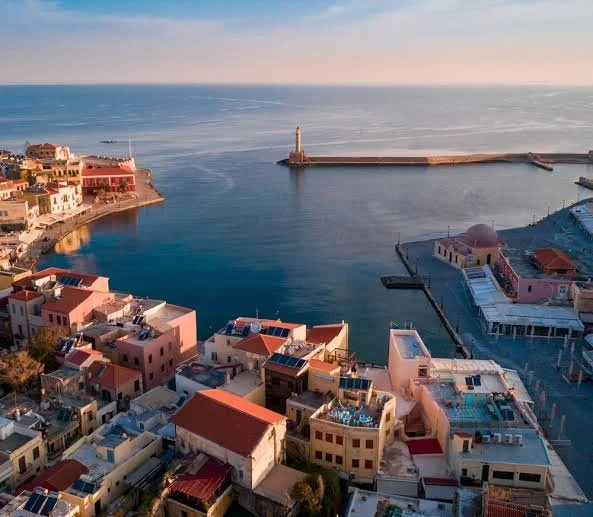
The sea connected Greek communities across islands and coastlines, while maritime trade supported economic life.
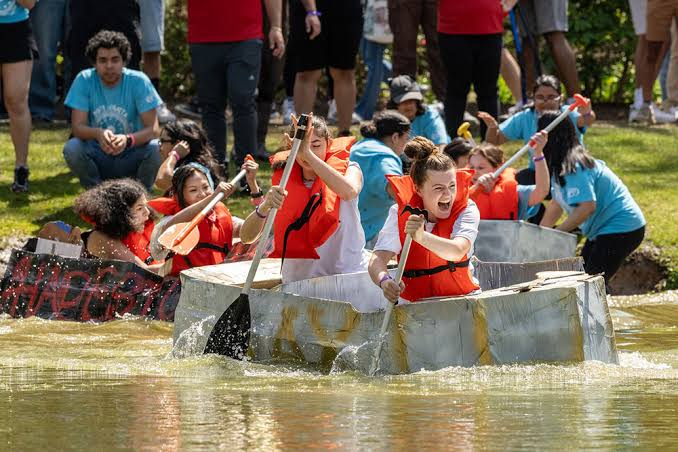
Boat races combined practical maritime skills with religious festivals, civic identity, and public spectacle.
Maritime Greece
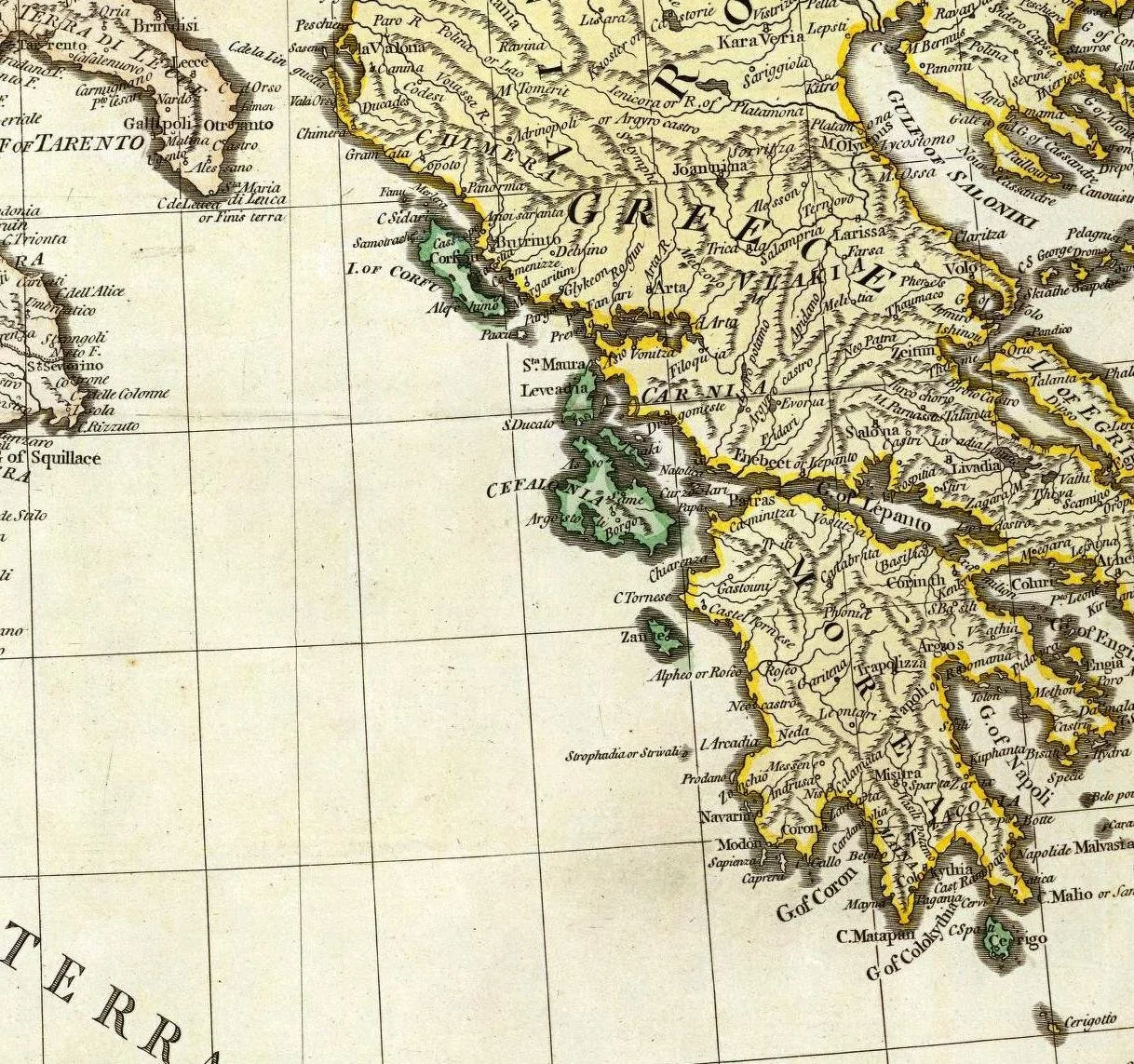
Geography made seafaring unavoidable.
Greek communities depended upon the sea for:
transportation;
trade;
fishing;
warfare;
communication;
and colonization.
Religious Festivals
Boat-related activities could form part of religious celebrations.
One particularly important example is the Panathenaia in Athens.
The Panathenaic Regatta
Athens included maritime elements in its major festival.
Boat races and naval displays could demonstrate the city's maritime identity.
Piraeus
The harbor of Piraeus was central to Athenian naval power.
Its facilities supported:
merchant vessels;
warships;
sailors;
shipbuilders;
and maritime festivals.
Warship Racing
Greek triremes were designed primarily for warfare.
Their crews required exceptional coordination.
Although racing was not their principal purpose, speed and rowing ability were crucial military skills.
Rowers
A rowing crew needed to maintain rhythm.
The crew could respond to commands from officers or the person coordinating the rowing.
Music
Rhythmic sounds helped coordinate rowing.
This demonstrates again how music had a practical role in Greek maritime life.
Religious Meaning
Festivals transformed physical competition into sacred activity.
Winning could bring:
honor;
prizes;
prestige;
and recognition for one's community.
Athletic Culture
Boat competitions shared the broader Greek enthusiasm for competitive excellence.
The ideal of agon, or competition, appeared throughout Greek culture.
Conclusion
Ancient Greek Boat Races and Festivals combined maritime skill, religious celebration, civic identity, and competition.
For communities surrounded by the sea, boats represented far more than transportation.
They were instruments of trade, war, communication, identity, and public spectacle.
Together, these traditions demonstrate how deeply the sea was woven into Greek civilization.