• Home page/Blog
    • Ancient Greece
    • Archaeology
    • Mythology
    • Architecture
    • Artefact
    • Inventions
    • Tourism
    • News
    • Science
    • General
    • Weird
    • Recipes
    • Blog
  • About
  • Contact
Menu

GHD

  • Home page/Blog
  • History
    • Ancient Greece
    • Archaeology
    • Mythology
  • Art
    • Architecture
    • Artefact
    • Inventions
  • Travel
    • Tourism
  • Other
    • News
    • Science
    • General
    • Weird
    • Recipes
    • Blog
  • About
  • Contact
No results found

How Greeks Greeted One Another

September 9, 2026

Greeting rituals in ancient Greece reflected social relationships, status, familiarity, gender, and context.

There was no single universal Greek greeting equivalent to a modern phrase such as “hello.”

Instead, Greeks could use different verbal and physical behaviors depending on the circumstances.

Verbal Greetings

Greek speakers could greet one another using expressions wishing someone well.

Terms related to:

  • health;

  • joy;

  • prosperity;

  • and good fortune

could function as greetings.

Physical Contact

Physical greetings existed.

Handshakes are known from Greek artistic representations and later traditions.

However, not every encounter necessarily involved a handshake.

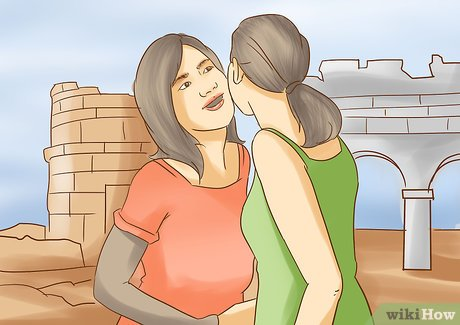
Kissing

Kissing could occur between people in certain social contexts.

Ancient Greek literature and art provide evidence for different forms of affectionate or respectful kissing.

Bowing and Gestures

Gestures could communicate respect.

The precise meaning depended upon the social relationship.

Greeting Elders

Age mattered greatly in Greek society.

Younger people were expected to show respect toward older individuals.

Greeting Officials

Status influenced interaction.

A person might behave differently toward:

  • a magistrate;

  • priest;

  • wealthy citizen;

  • military commander;

  • or ordinary acquaintance.

Hospitality

Greeting visitors was particularly important.

Greek hospitality, known as xenia, was a major social and religious institution.

Hosts were expected to treat guests properly.

Welcoming a Guest

A guest might receive:

  • food;

  • drink;

  • a place to rest;

  • and eventually assistance with travel.

Religious Dimensions

Hospitality had divine associations.

Zeus Xenios was connected with the protection of guests and strangers.

Conclusion

How Greeks Greeted One Another was shaped by context.

Greeting was not merely a casual exchange.

It could communicate friendship, respect, hierarchy, hospitality, and religious responsibility.
← The Role of Grandparents in Greek FamiliesThe Ritual of Animal Sacrifice Explained →
Featured
image_2026-09-01_010508909.png
September 9, 2026
Ancient Greek Boat Races and Festivals
September 9, 2026
Read more →
September 9, 2026
image_2026-09-01_121730264.png
September 9, 2026
Greek Philosophical Schools and Their Founders
September 9, 2026
Read more →
September 9, 2026
image_2026-09-01_121825407.png
September 9, 2026
The Influence of the Seasons on Greek Religion
September 9, 2026
Read more →
September 9, 2026
image_2026-09-01_121929012.png
September 9, 2026
How Ancient Greeks Built Wells
September 9, 2026
Read more →
September 9, 2026
image_2026-09-01_122015637.png
September 9, 2026
The Process of Becoming a Greek Citizen
September 9, 2026
Read more →
September 9, 2026
image_2026-09-01_010400392.png
September 9, 2026
The Role of Grandparents in Greek Families
September 9, 2026
Read more →
September 9, 2026
image_2026-09-01_010306396.png
September 9, 2026
How Greeks Greeted One Another
September 9, 2026
Read more →
September 9, 2026
image_2026-09-01_010203925.png
September 9, 2026
The Ritual of Animal Sacrifice Explained
September 9, 2026
Read more →
September 9, 2026
SEE MORE

Powered by ©GreeceHighDefinition / Privacy Policy