• Home page/Blog
    • Ancient Greece
    • Archaeology
    • Mythology
    • Architecture
    • Artefact
    • Inventions
    • Tourism
    • News
    • Science
    • General
    • Weird
    • Recipes
    • Blog
  • About
  • Contact
Menu

GHD

  • Home page/Blog
  • History
    • Ancient Greece
    • Archaeology
    • Mythology
  • Art
    • Architecture
    • Artefact
    • Inventions
  • Travel
    • Tourism
  • Other
    • News
    • Science
    • General
    • Weird
    • Recipes
    • Blog
  • About
  • Contact
No results found

The Rise of Thebes: Epaminondas and the Sacred Band

July 30, 2025

In the wake of Athens’ fall, Sparta assumed the role of hegemon. But its rigid, oligarchic system and disdain for naval power made it ill-equipped to maintain long-term dominance. Its harsh rule alienated former allies, and its military stretched too thin.

Enter Thebes, a Boeotian city-state long overshadowed by its more glamorous neighbors. Thebes had been a key Spartan ally during the Peloponnesian War, but tensions mounted quickly. In 379 BCE, a democratic coup overthrew the pro-Spartan regime, and Thebes began to assert itself.

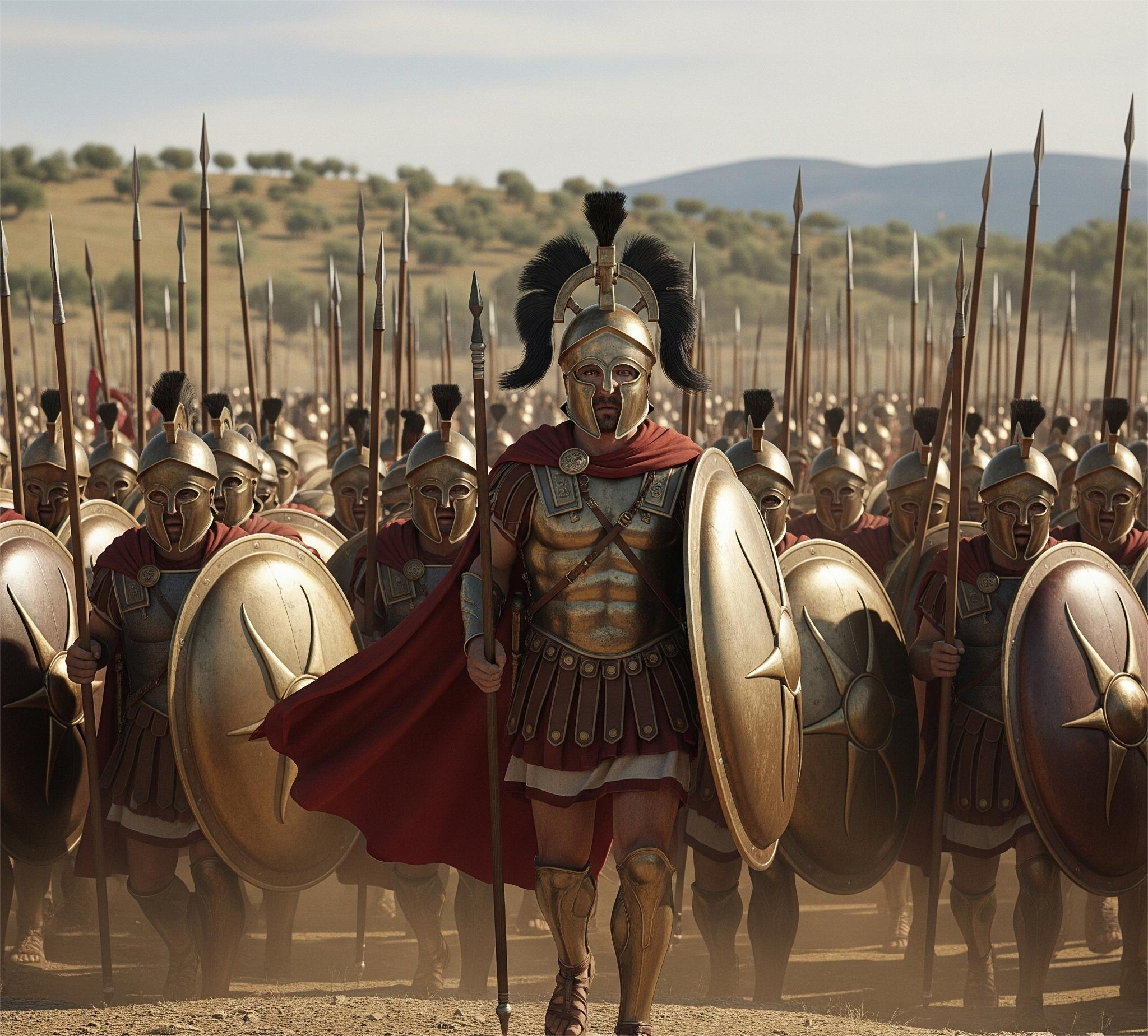
The genius of Thebes' rise was Epaminondas, a general, philosopher, and statesman who revolutionized Greek warfare. He reorganized the Theban army, famously forming the Sacred Band of Thebes—an elite unit composed of 150 pairs of male lovers bound by both military discipline and deep emotional commitment. The idea was simple yet profound: men who fought beside their lovers would fight with unmatched courage.

In 371 BCE, Epaminondas led Thebes to its greatest triumph: the Battle of Leuctra. Facing a larger Spartan force, he employed an innovative tactical formation—stacking his left wing with elite troops to break the Spartan right. The result was catastrophic for Sparta. The myth of Spartan invincibility was shattered, and Thebes became the leading power in Greece.

But Theban dominance was short-lived. Epaminondas was killed at the Battle of Mantinea in 362 BCE, and without his leadership, Thebes lacked the cohesion and vision to maintain its hegemony. The constant infighting among Greek city-states resumed, weakening them just as a new force loomed from the north.
← The Conquests of Philip II of MacedonThe Fall of Athens in 404 BC →
Featured
image_2026-06-09_003812855.png
June 9, 2026
The Contributions of Anaximander to Geography
June 9, 2026
June 9, 2026
image_2026-06-09_003742529.png
June 9, 2026
The Ancient Greek Theory of Dreams and the Mind
June 9, 2026
June 9, 2026
image_2026-06-09_003711779.png
June 9, 2026
How Greek Philosophers Argued About Free Will
June 9, 2026
June 9, 2026
image_2026-06-09_003635541.png
June 9, 2026
The Influence of Thales on Early Greek Philosophy
June 9, 2026
June 9, 2026
image_2026-06-09_003554766.png
June 9, 2026
The Greek Study of Magnetism and Early Physics
June 9, 2026
June 9, 2026
image_2026-06-08_000245640.png
June 9, 2026
The Role of the Pythagoreans in Early Mathematics
June 9, 2026
June 9, 2026
image_2026-06-08_000201384.png
June 9, 2026
Greek Philosophy and Science (Continued)
June 9, 2026
June 9, 2026
image_2026-06-08_000130552.png
June 9, 2026
How the Greeks Developed Their Naval Shipbuilding Techniques
June 9, 2026
June 9, 2026
SEE MORE

Powered by ©GreeceHighDefinition / Privacy Policy