Introduction
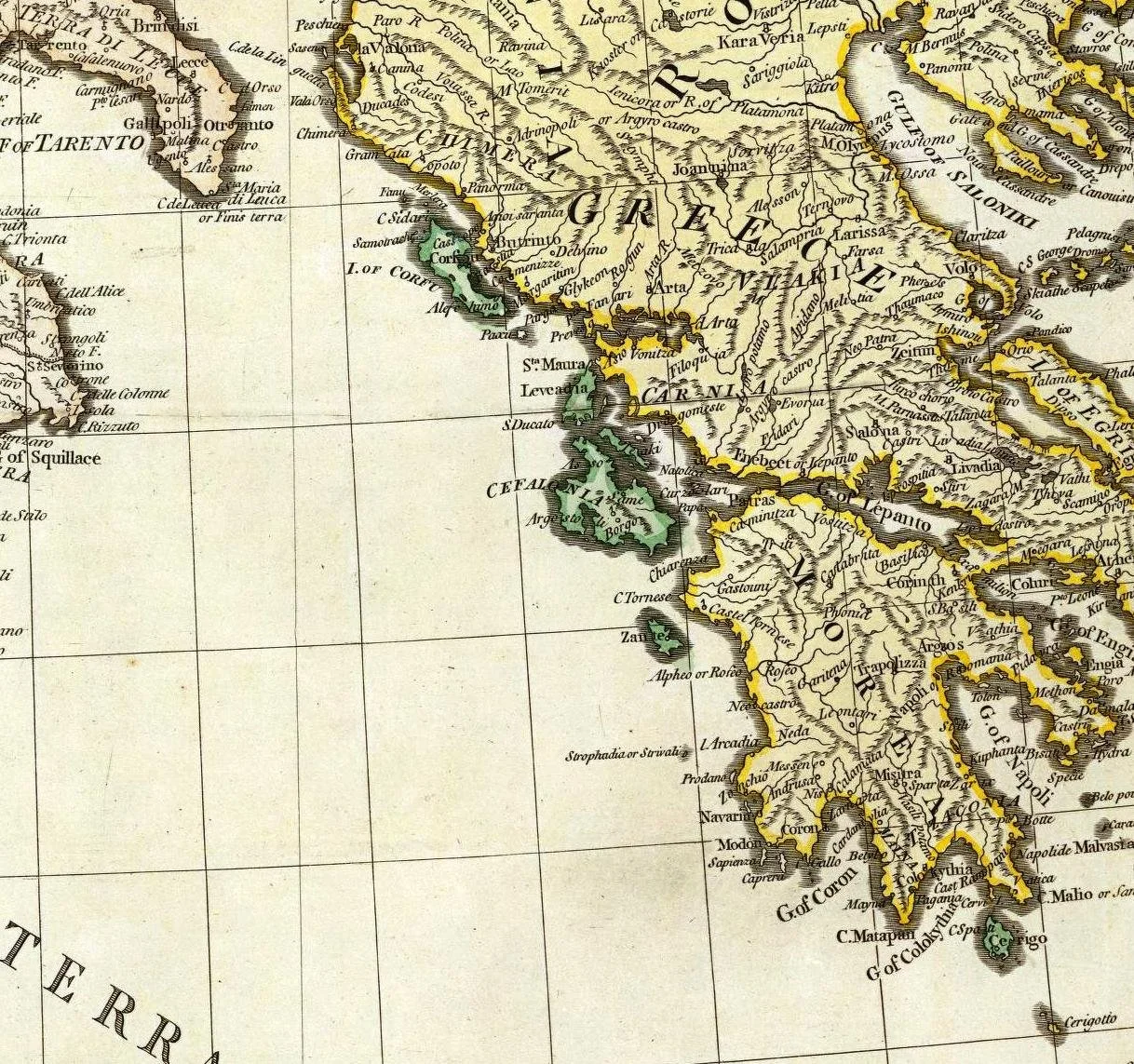
Crete's position in the eastern Mediterranean placed it at the center of competing political, commercial, and military interests for centuries. Its history includes Byzantine rule, Arab control, Venetian domination, and Ottoman government. During these periods, resistance movements, maritime raiding, privateering, and piracy all influenced life around the island.
The phrase "Cretan rebel pacts with Barbary corsairs" suggests possible alliances between local insurgents and corsairs operating from North African ports. Such relationships are historically plausible in the wider Mediterranean world, but specific agreements must be supported by documentary evidence.
Barbary Corsairs and Mediterranean Politics
The term "Barbary corsairs" generally refers to maritime raiders and privateers operating from North African ports, particularly during the early modern period. Their activities included capturing ships, seizing goods, demanding ransom, and participating in conflicts involving European and Ottoman powers.
Corsairing was not a single, unchanging institution. Its organization varied by port, political authority, period, and relationship with state power.
Some expeditions operated under forms of political authorization, while others were more independent. The distinction between piracy and privateering could depend on the legal and political perspective of the observer.
Crete's Political Transformations
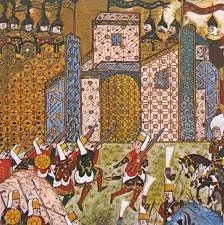
Crete experienced major changes in political control. Venetian rule lasted for several centuries before the Ottoman conquest, which culminated in the fall of Candia in 1669 after a prolonged siege.
Resistance to Ottoman authority continued in various forms. Local uprisings could be driven by taxation, religious and political grievances, land disputes, regional rivalries, and changing relationships with imperial administration.
The nature of resistance differed by region and period. It would be inaccurate to treat all Cretan rebels as members of one continuous organization.
Why Alliances Could Occur
Rebels and corsairs might share practical interests.
An insurgent group could seek weapons, transport, money, or a route to safety. Corsairs might value intelligence, access to supplies, ransom opportunities, or information about coastal defenses.
Such cooperation could be temporary and transactional rather than a permanent political alliance.
However, a plausible motive is not evidence that a specific pact occurred. Establishing an actual agreement would require letters, diplomatic reports, court documents, shipping records, or contemporary accounts.
Maritime Geography
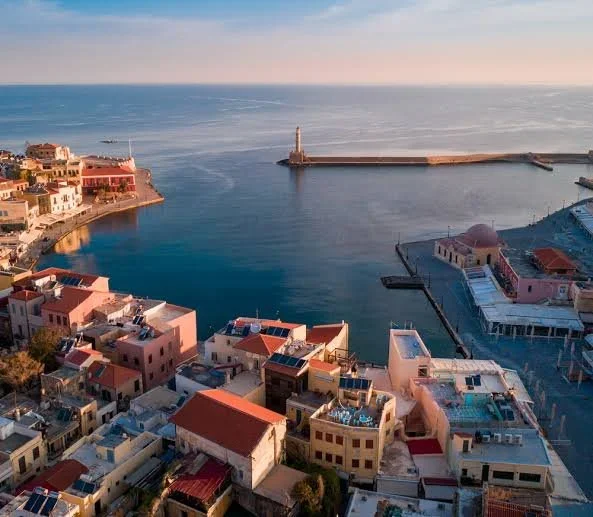
Crete's coastline contains numerous bays, harbors, and rugged stretches that could complicate surveillance. Mountainous interior regions also provided opportunities for resistance groups to avoid direct control by authorities.
Maritime routes connected Crete with the Aegean, North Africa, Cyprus, and the Levant. These routes could support legal commerce, migration, military movement, and illicit activity.
Geography helps explain why maritime cooperation was possible, but it cannot establish the identity of the people involved in a particular incident.
Historical Sources and Bias
Records about corsairs often reflect the interests of governments, merchants, and people affected by attacks. European and Ottoman officials might describe the same maritime event in different ways.
The term "pirate" could also be used politically to delegitimize opponents.
Researchers must therefore compare sources and consider who produced each account, what the author knew, and what interests shaped the narrative.
Archaeological Evidence
Archaeology can help reconstruct maritime activity through shipwrecks, harbor installations, weapons, ceramics, coins, and coastal fortifications.
However, these remains rarely demonstrate a political agreement on their own. A shipwreck containing weapons does not automatically indicate a rebel-corsair alliance.
The most reliable reconstruction combines archaeological evidence with contemporary documentation.
Conclusion
Possible relationships between Cretan rebels and Barbary corsairs belong within the broader history of Mediterranean resistance and maritime power. Temporary cooperation would have been strategically possible, but specific pacts should not be presented as established facts without supporting records. Studying these questions carefully can reveal how local resistance, maritime raiding, imperial politics, and regional commerce intersected in the early modern Mediterranean.