Introduction
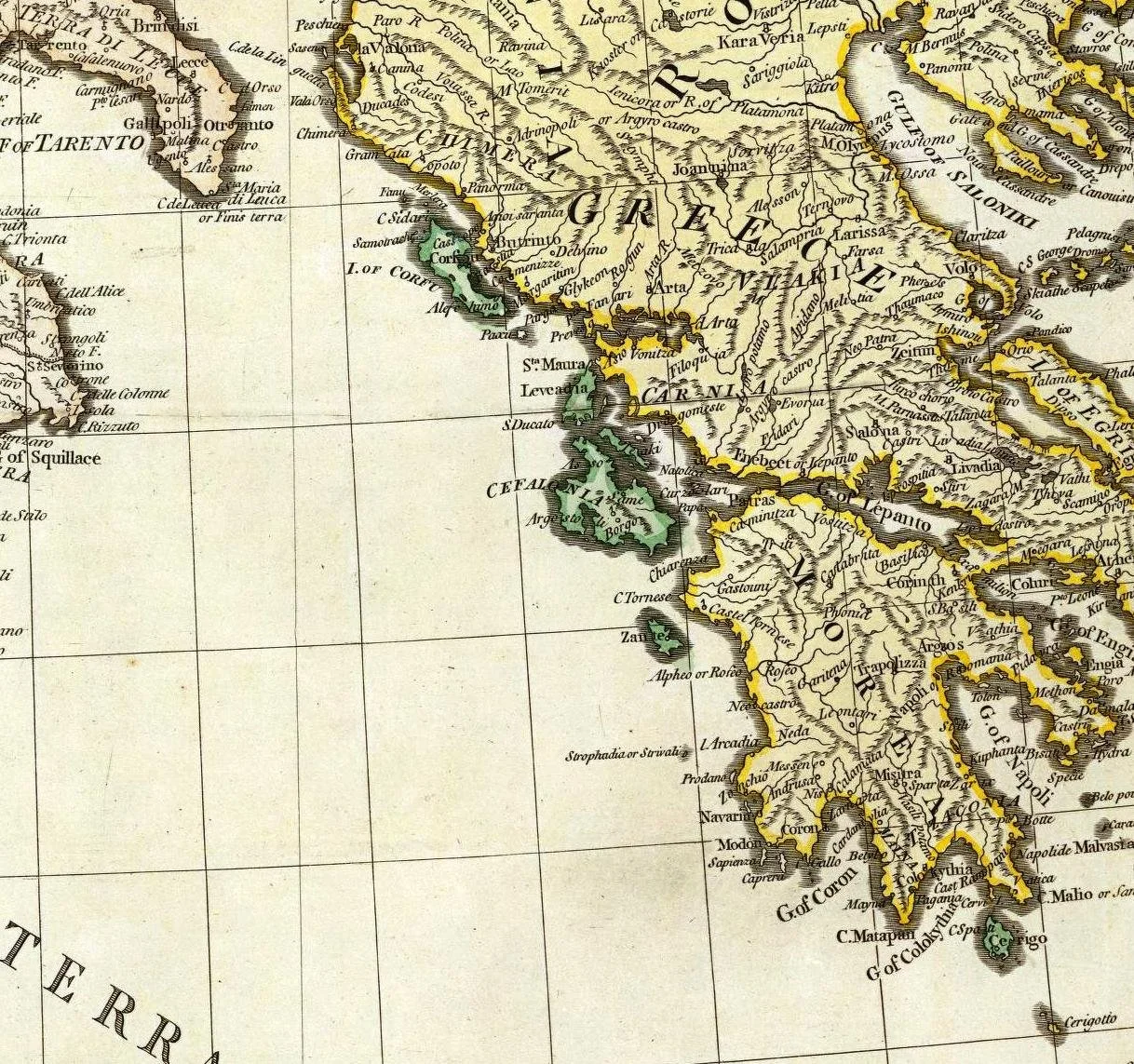
The Gulf of Pagasitikos, on the eastern side of central Greece, is a sheltered body of water connected to the Aegean Sea. Its coastline has supported settlements, maritime transportation, fishing, agriculture, and military activity for centuries.
During the medieval period, the commercial and political influence of Italian maritime powers, including Genoa, extended across many parts of the eastern Mediterranean. Genoese merchants and officials operated through trading agreements, ports, fortified settlements, and alliances with regional rulers.
The possibility of Genoese influence around the Gulf of Pagasitikos is therefore historically interesting. However, individual fortifications should not be labeled Genoese without reliable architectural, documentary, or archaeological evidence.
Genoa and Mediterranean Expansion
Genoa developed into one of the major maritime powers of medieval Europe. Its commercial networks extended through the western and eastern Mediterranean and into the Black Sea.
Genoese merchants participated in trade involving grain, wine, textiles, metals, spices, and luxury goods. Their commercial interests often depended on access to harbors, political privileges, and protection for ships and warehouses.
In some regions, Genoese influence was expressed through the control of fortified settlements or trading centers. In others, it relied on agreements with local rulers rather than direct territorial occupation.
The Strategic Value of the Gulf
The Gulf of Pagasitikos offers sheltered waters and access to inland settlements in Thessaly. Maritime traffic could connect coastal communities with wider Aegean routes, while nearby agricultural land supported local populations.
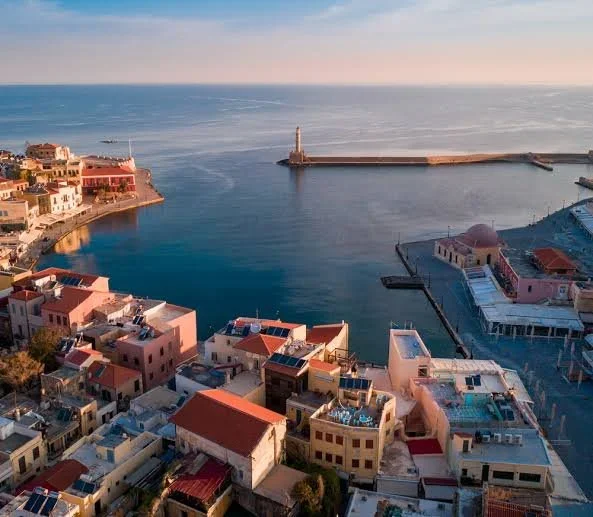
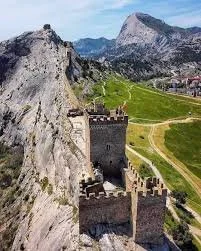
Fortifications along the coast could protect harbors, monitor maritime movement, and provide defensive positions during periods of conflict.
Yet not every medieval coastal castle was built by a foreign maritime power. Local rulers, Byzantine authorities, Venetian interests, and later Ottoman administrations also constructed or modified fortifications in different periods.
How Archaeologists Identify a Genoese Fort
The identification of a fort requires evidence beyond its appearance.
Researchers examine masonry techniques, building plans, inscriptions, construction phases, ceramics, coins, and documentary references. Architectural comparisons may help identify regional influences, but styles were often shared across political boundaries.
A fortress could also have been constructed by one authority and later occupied or modified by another. Its history may therefore involve multiple phases rather than a single builder.
Trade and Military Protection
Medieval maritime commerce depended on more than ships and markets. Merchants needed access to fresh water, food supplies, safe anchorages, repair facilities, and secure storage.
Fortified ports could help protect commercial infrastructure during conflict. They might also serve as customs points or administrative centers.
The relationship between commerce and fortification was consequently complex. A fort could support trade while also enabling taxation, military control, and political domination.
The Local Population
The history of the Gulf should not be reduced to competition between Italian maritime powers.
Local Greek-speaking communities, regional elites, agricultural producers, sailors, and craftspeople were central to the operation of coastal settlements. Their labor supported construction, food production, transportation, and commerce.
Foreign merchants often depended on existing local networks rather than replacing them.
Research and Conservation
A careful study of alleged Genoese forts would combine archival research with architectural survey and archaeological excavation. Remote sensing could help identify buried structures, while ceramic and numismatic evidence could assist with dating.
Coastal erosion, modern construction, vegetation, and tourism can threaten fortifications. Documentation and conservation are therefore essential for preserving the historical record.
Conclusion
The Gulf of Pagasitikos provides a valuable setting for studying medieval maritime trade and defensive architecture. Genoese commercial networks formed part of the wider eastern Mediterranean world, but specific forts must be identified through evidence rather than assumption. Examining their construction, historical ownership, and relationship to local communities can reveal how trade and military power shaped the Greek coastline.