Introduction
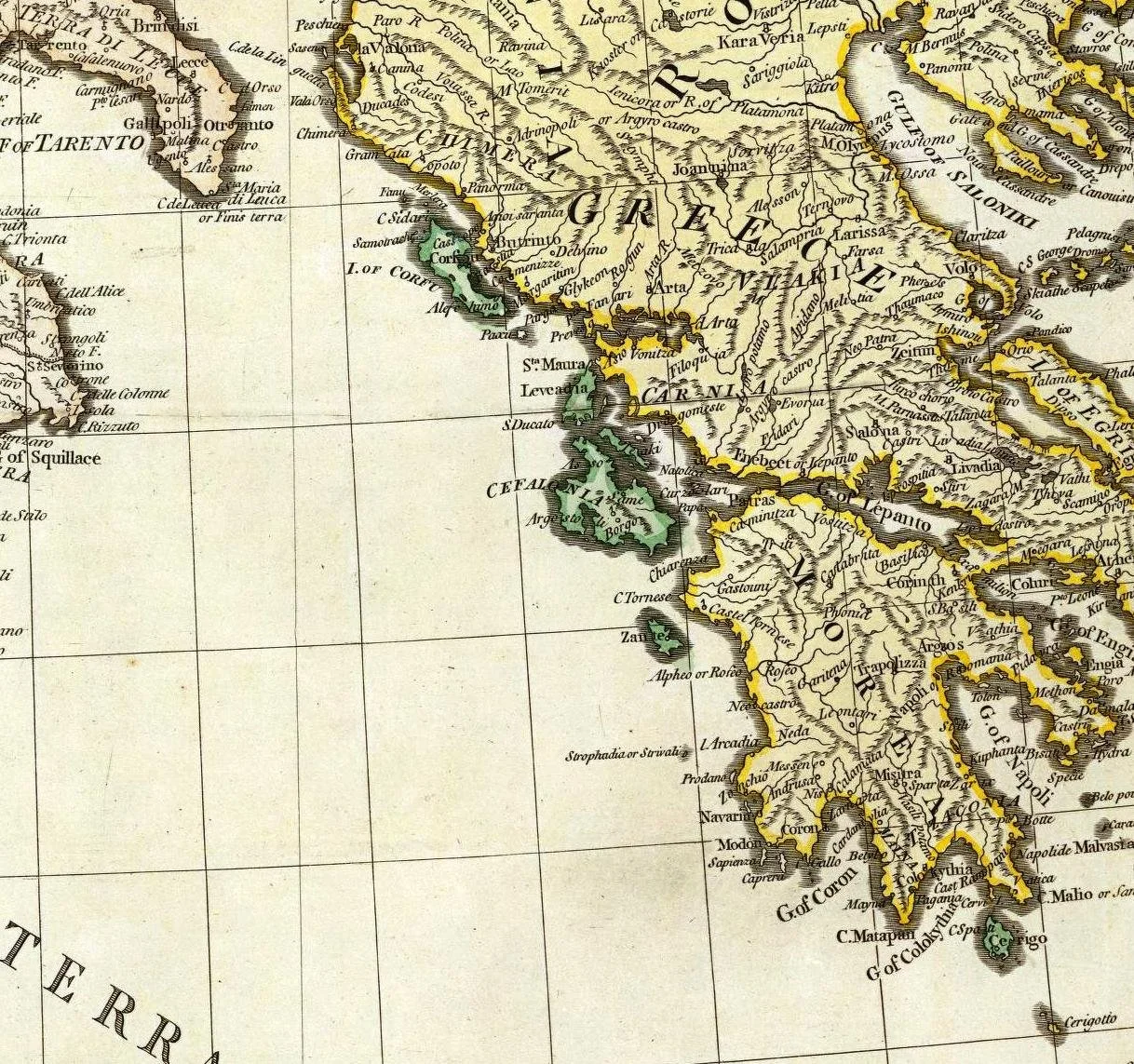
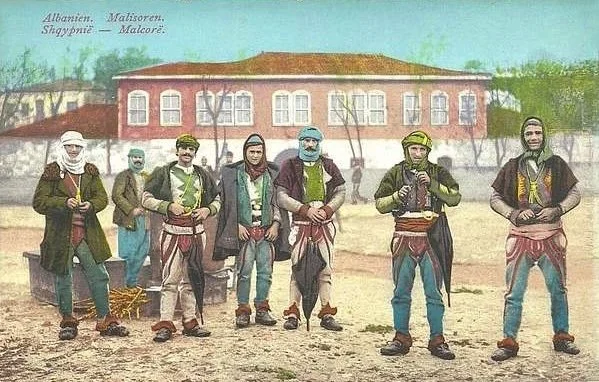
Epirus, in northwestern Greece, is known for its mountainous landscapes, pastoral traditions, village music, and long history of cultural exchange. Its highlands contain communities whose songs and oral traditions have preserved memories of migration, work, love, loss, religion, and local identity.
Orphism, meanwhile, refers to a collection of ancient religious and literary traditions associated with the mythical poet Orpheus. Orphic texts explored themes such as the soul, death, purification, divine origins, and the possibility of a transformed existence after death.
The comparison between Orphic hymns and Epirus highland songs raises an important question: how do ancient religious ideas relate to later oral traditions? The answer requires distinguishing direct historical transmission from thematic resemblance.
Orpheus in Greek Tradition
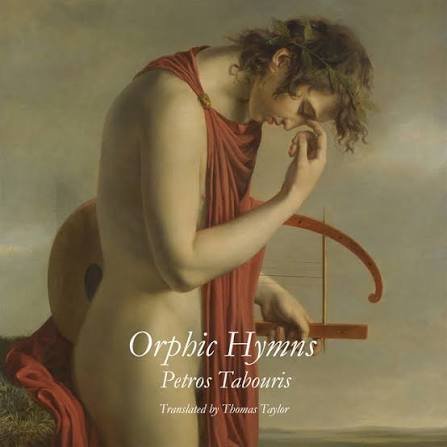
Orpheus was a legendary musician and poet whose singing could move animals, plants, stones, and even the powers of the underworld.
His journey to recover Eurydice became one of the most enduring stories in Greek mythology. Orpheus's music represented the power of art to cross boundaries between life and death.
Over time, traditions associated with Orpheus became linked with religious ideas concerning purification, the soul, and the afterlife.
The Orphic Hymns
The collection commonly called the Orphic Hymns consists of religious poems invoking a wide range of divine powers. The surviving collection is generally dated to the early centuries CE, although it draws on older Greek religious traditions.
The hymns contain invocations connected with gods, cosmic forces, nature, and ritual practice.
They provide evidence for religious thought in the ancient world, but they should not be confused with a universal set of beliefs shared by every Greek community.
Epirus and Oral Music
Music has played a central role in many communities of Epirus. Traditional songs may accompany social gatherings, weddings, mourning, dance, and communal memory.
Polyphonic singing is particularly associated with parts of the region. In this tradition, different vocal lines combine to create a distinctive musical texture.
The historical development of these traditions is complex. They reflect local experience and regional exchange rather than one single ancient source.
Similarities and Historical Continuity
A modern highland song might share broad themes with ancient religious poetry: mourning, the natural world, the power of music, or communication with the dead.
However, shared themes do not demonstrate direct descent from Orphic hymns.
To establish a historical connection, researchers would need evidence such as documented transmission, identifiable textual parallels, a continuous ritual context, or historical records connecting specific communities with an Orphic tradition.
Without such evidence, the comparison should be understood as interpretive rather than proof of survival.
Music, Memory, and the Landscape
Mountain communities often use songs to preserve knowledge of local places, family relationships, seasonal activities, and historical experiences.
Songs can travel with migrants and adapt to new environments. Their lyrics may change while the melody or performance style remains recognizable.
This flexibility makes oral tradition a valuable subject for ethnomusicology but also means that dating individual elements can be difficult.
Studying Ancient and Modern Traditions Together
Researchers can compare musical structures, poetic language, ritual functions, and historical documentation.
Ancient texts can reveal how Greek writers understood the power of music, while ethnographic research can document the meanings that modern communities assign to their songs.
The comparison becomes strongest when it respects the differences between historical periods rather than treating modern traditions as unchanged relics of antiquity.
Conclusion
Orphic hymns and Epirus highland songs both demonstrate the cultural power of music, poetry, and communal memory. Their comparison can illuminate themes of mourning, nature, religious experience, and the relationship between sound and identity. Nevertheless, direct continuity between ancient Orphic practice and particular modern songs must be demonstrated through evidence. A careful approach allows researchers to explore meaningful parallels without erasing the distinctive histories of either tradition.