Introduction
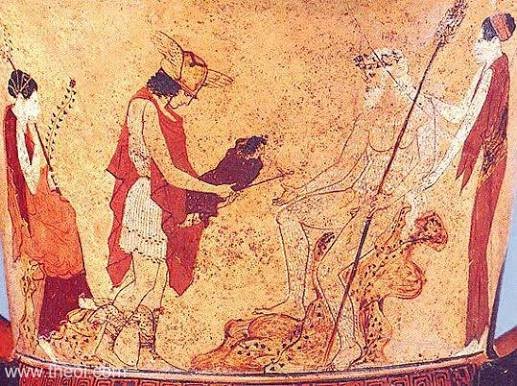
Dionysus, the ancient Greek god associated with wine, vegetation, ecstasy, theatrical performance, and transformation, occupied an unusual position in Greek religion. His myths connected cultivated landscapes with wild nature, social celebration with disorder, and human experience with divine power.
Mount Nysa appears in ancient traditions as a place associated with Dionysus's upbringing. Its location, however, varies across literary and mythological accounts. Rather than identifying one universally accepted geographical site, Nysa is best understood as a mythological landscape whose location was interpreted differently by ancient authors and communities.
The idea of Dionysian presses on the slopes of Mount Nysa combines two subjects: the archaeology of ancient wine production and the religious symbolism surrounding Dionysus.
Dionysus and Wine
Wine was economically, socially, and religiously important in ancient Greece. It was consumed during meals and symposia, offered in religious contexts, traded between communities, and used in social ceremonies.
Dionysus became closely associated with wine and its effects. His mythology emphasized the transformation produced by intoxication and the boundaries between ordinary social life and extraordinary experience.
Wine was not simply an agricultural product. It also carried cultural meanings connected with hospitality, status, celebration, and religious devotion.
Ancient Wine Production
Wine production involved several stages.
Grapes had to be cultivated, harvested, crushed, fermented, stored, and transported. The methods used varied by region and period.
Archaeological evidence may include grape seeds, pollen, presses, fermentation vessels, storage jars, ceramic amphorae, and installations associated with crushing or collecting juice.
Not every stone basin is a wine press. Similar structures could have been used for producing oil, processing other crops, or carrying out industrial activities.
Researchers therefore examine residues, construction features, botanical evidence, and the surrounding settlement context before assigning a function.
Dionysian Religion and Agricultural Practice
Dionysian worship could involve festivals, processions, music, performance, and communal drinking. Religious practice varied considerably across Greek communities.
The god's association with wine meant that agricultural production could carry religious significance. Yet the existence of a vineyard or wine press does not automatically prove that Dionysian rituals occurred there.
A stronger interpretation would require evidence such as inscriptions, sanctuary remains, votive offerings, or a documented relationship between a production site and religious activity.
The Mythical Geography of Nysa
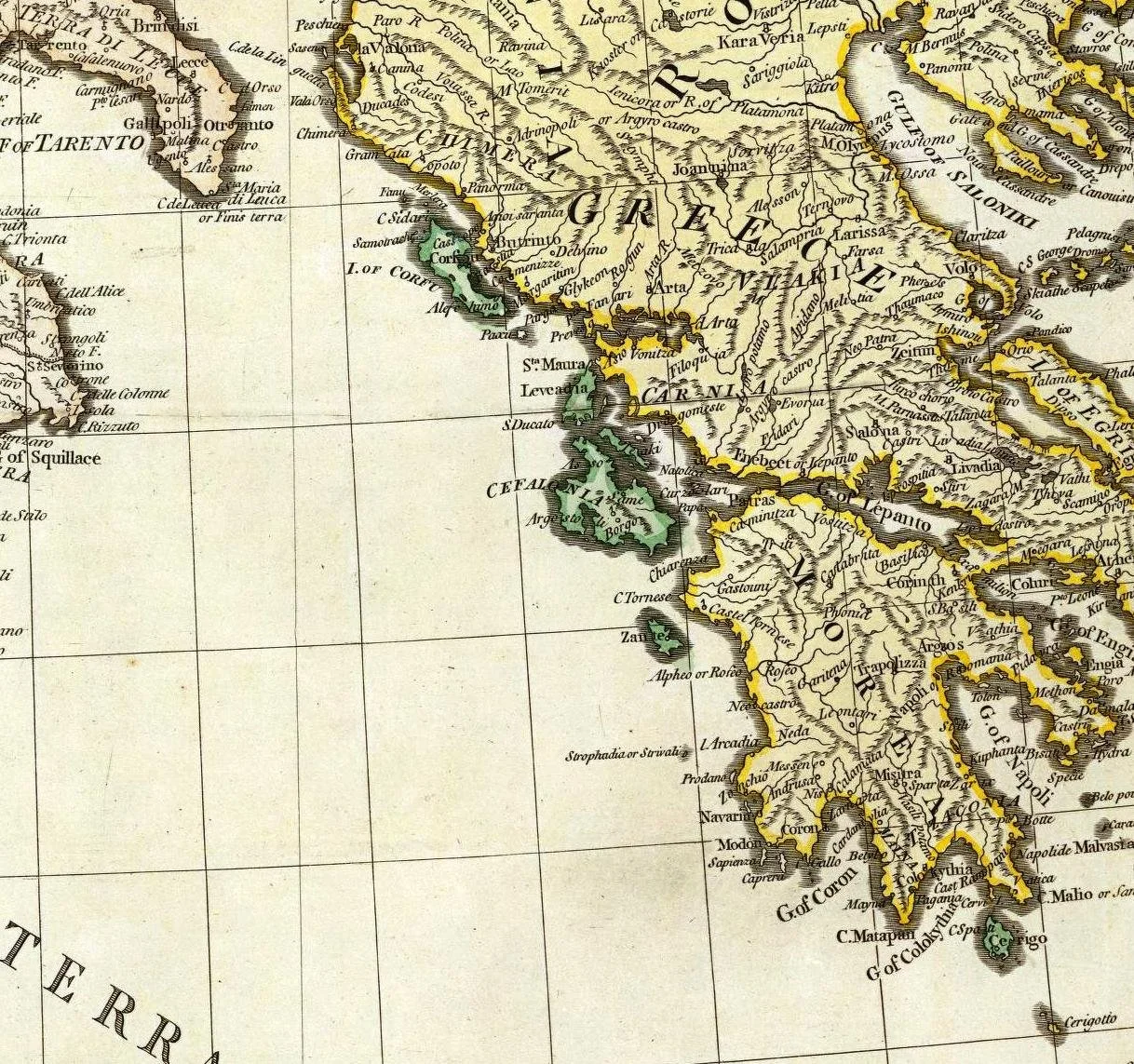
Ancient writers placed Nysa in different geographical settings. This diversity reflects the way Greek myth could be attached to multiple landscapes.
Communities might associate a famous myth with their own mountains, caves, rivers, or sanctuaries. Such localization allowed myth to become part of local identity.
For this reason, the phrase "Mount Nysa" should not be treated as a precise archaeological coordinate unless a particular historical identification is clearly specified.
Trade and Wine Culture
Wine circulated widely through the ancient Mediterranean. Amphorae found at archaeological sites can provide evidence of trade connections and consumption patterns.
Scientific analysis of residues may help identify wine or other fermented products, although contamination and preservation must be considered.
Wine production could support household economies as well as commercial enterprises. Large installations might indicate surplus production, while smaller facilities could serve local needs.
Myth, Archaeology, and Evidence
The relationship between Dionysus and wine is well established in Greek mythology and religious history. The existence of a particular ancient wine press on a specific mountain associated with Nysa is a separate archaeological claim.
Researchers must avoid treating mythological narratives as literal descriptions of historical infrastructure.
Instead, mythology can provide a framework for understanding how ancient communities interpreted wine production and the landscapes that supported it.
Conclusion
The study of Dionysian wine production brings together archaeology, agriculture, religious history, and mythology. Ancient wine presses reveal the practical technologies behind an important Mediterranean commodity, while Dionysian traditions show how wine acquired powerful cultural meanings. Mount Nysa remains a complex mythological landscape, and any claim of a specific press associated with it requires archaeological verification. Separating the physical evidence of wine production from the symbolic world of Dionysus allows both subjects to be understood more clearly.