Introduction
Electric vehicles are transforming the global automotive industry. As manufacturers move toward electrification, the demand for batteries and the materials used to produce them has become increasingly important.
The title EV Battery Factories in Thrace Industrial Zones examines the possibility of positioning northeastern Greece as part of Europe's growing battery manufacturing and supply-chain network.
Thrace has geographical advantages, including access to transportation corridors, industrial areas, ports, and connections with neighboring Balkan markets. However, the presence of industrial infrastructure does not automatically mean that a major electric-vehicle battery factory has been established.
The subject provides an opportunity to examine battery production, industrial investment, regional development, and Greece's potential role in Europe's electric-mobility transition.
Why Battery Manufacturing Matters
Electric vehicles depend on rechargeable battery systems to store and deliver electrical energy.
The battery is one of the most important components of an electric vehicle because it influences driving range, charging speed, weight, safety, and overall cost.
As electric-vehicle production expands, manufacturers require reliable supplies of battery cells and related components.
Countries with domestic battery manufacturing capacity may gain advantages in industrial employment, technical expertise, and supply-chain resilience.
For Europe, developing battery production is also a strategic response to the concentration of global manufacturing capacity in a limited number of countries.
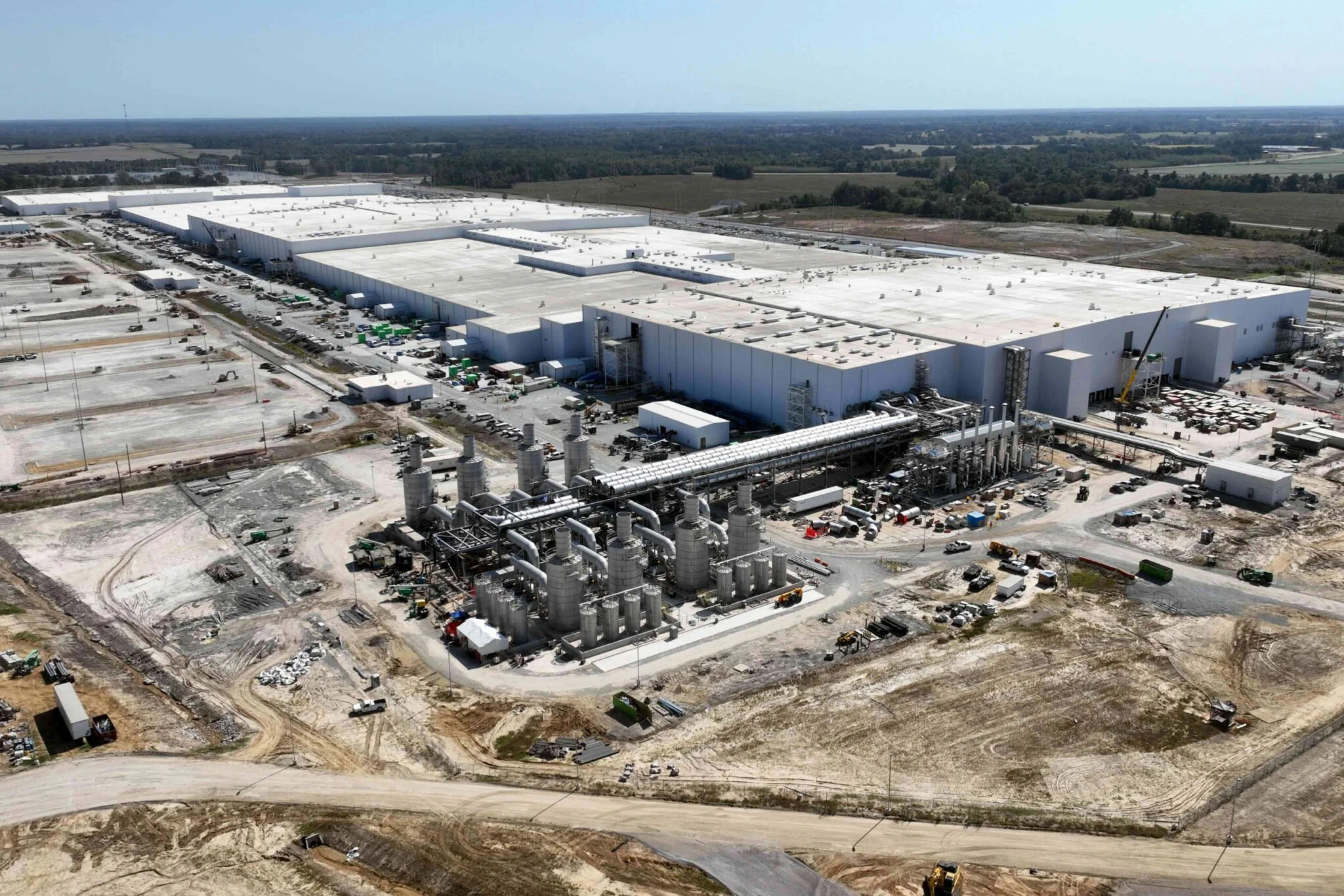
Understanding Battery Factory Operations
A battery factory may perform several different activities.
Some facilities manufacture complete battery cells.
Others produce battery modules, assemble battery packs, manufacture cathode or anode materials, or recycle used batteries.
Cell manufacturing involves several technical stages, including electrode preparation, coating, drying, assembly, electrolyte filling, formation, and quality testing.
These processes require specialized equipment and tightly controlled production environments.
A factory that assembles battery packs from imported cells has a different industrial role from a facility that produces the cells themselves.
This distinction is important when evaluating claims about a country's battery manufacturing capacity.
Why Thrace Could Attract Investment
Thrace occupies a strategic position in northeastern Greece.
Its proximity to Bulgaria and Turkey creates opportunities for cross-border trade and industrial cooperation.
The region is connected to road and rail transportation routes that link southeastern Europe with wider European markets.
Ports and industrial infrastructure can also support the movement of raw materials, machinery, and finished products.
These advantages may make Thrace attractive for certain manufacturing activities, particularly when supported by suitable electricity infrastructure, skilled workers, and investment incentives.
The Importance of Industrial Zones
Industrial zones can provide infrastructure that individual companies would otherwise need to develop independently.
They may offer prepared industrial land, utility connections, road access, waste-management systems, and proximity to suppliers.
For battery manufacturing, these facilities must meet particularly demanding technical requirements.
Factories require reliable electricity, controlled production environments, water-management systems, chemical handling procedures, and appropriate emergency infrastructure.
Industrial zones that cannot support these requirements may struggle to attract large-scale battery production.
Battery Chemistry and Manufacturing Choices
Electric-vehicle batteries use different chemical compositions.
Lithium-ion batteries dominate many current applications, but several chemistries compete within the market.
Lithium iron phosphate batteries are known for their relatively stable chemistry and suitability for certain cost-sensitive applications.
Nickel-rich chemistries can offer higher energy density, although their materials and manufacturing requirements differ.
Other technologies, including sodium-ion and solid-state batteries, are also being developed.
A factory's technology choice influences its equipment, suppliers, workforce requirements, and environmental profile.
Building a Regional Supply Chain
A battery factory requires more than a large building and assembly equipment.
It depends on a network of suppliers and services.
These may include:
battery chemicals and active materials,
metal components,
separators and electrolytes,
electronic control systems,
cooling equipment,
industrial machinery,
packaging,
transportation,
and testing laboratories.
Thrace could potentially support some of these activities through industrial suppliers and logistics services.
However, producing complete battery cells requires specialized materials and technical capabilities that cannot be developed instantly.
Employment and Regional Development
Battery manufacturing could create employment in engineering, production, maintenance, logistics, quality assurance, environmental management, and research.
It could also support vocational training and cooperation between universities and industry.
Industrial investment may create additional opportunities for local businesses providing construction, catering, transportation, security, and technical services.
The scale of these benefits would depend on the size and structure of the investment.
A large automated factory may generate substantial industrial output without employing as many workers as traditional manufacturing facilities.
Environmental and Energy Requirements
Battery production can be energy-intensive.
Its environmental impact depends on electricity sources, material extraction, chemical processing, water consumption, and waste management.
A facility powered by low-carbon electricity may have a different emissions profile from one relying heavily on fossil fuels.
Water use is another important concern.
Industrial operations must prevent contamination and manage wastewater appropriately.
Battery manufacturing also requires strict safety systems because certain materials and production processes can create chemical, thermal, or fire hazards.
European Policy and Competition
The European Union has treated battery manufacturing as an important part of its industrial and climate strategy.
Policies related to batteries, critical raw materials, recycling, and industrial competitiveness aim to strengthen the European supply chain.
However, European battery projects face international competition.
Manufacturers must consider production costs, energy prices, access to raw materials, technology development, labor availability, and proximity to vehicle manufacturers.
A Greek facility would need to compete within this wider industrial environment.
What Would Confirm a Thrace Battery Project?
Claims about an operational or planned battery factory should be supported by specific evidence.
Useful documentation would include:
an official company investment announcement,
industrial-zone land agreements,
environmental approvals,
construction permits,
financing agreements,
government investment records,
or confirmed production plans.
It is also important to distinguish between a proposed project, an approved investment, a facility under construction, and an operational factory.
These are very different stages of industrial development.
Conclusion
The EV Battery Factories in Thrace Industrial Zones topic reflects a significant opportunity within Europe's transition toward electric mobility.
Thrace's geographical position and industrial potential could support battery-related manufacturing, logistics, component production, and recycling.
However, establishing a competitive battery industry requires major investment, reliable energy infrastructure, skilled labor, advanced technology, and strong supplier networks.
The existence of a specific large-scale factory should be confirmed through official project documentation rather than inferred from regional industrial potential.
The most realistic long-term opportunity may be to develop Thrace as part of a broader southeastern European battery supply chain, connecting manufacturing, transportation, research, and recycling.