Introduction
Euboea, also known as Evia, is Greece's second-largest island and contains a varied geological landscape shaped by mountain building, mineral formation, and tectonic activity.
The idea of Hydrogen Lines from Euboea Mineral Mines explores the possibility of producing, transporting, or distributing hydrogen in connection with the island's mining and industrial resources.
Hydrogen is increasingly discussed as a potential energy carrier for industries that are difficult to electrify. However, the existence of mineral deposits does not automatically indicate a commercially viable source of hydrogen. A specific hydrogen network originating from Euboea's mines should therefore be treated as a proposed concept unless supported by project documentation.
What Is Hydrogen Energy?
Hydrogen is an energy carrier rather than a primary energy source in the same sense as sunlight, wind, or geothermal heat.
It can store and transport energy produced through other processes.
When hydrogen is used in a fuel cell, it reacts electrochemically with oxygen to generate electricity, with water as the main direct by-product.
Hydrogen can also be used as an industrial feedstock or fuel in certain applications.
Different Methods of Hydrogen Production
Hydrogen can be produced through several processes.
Conventional production often uses natural gas, although this can generate substantial carbon emissions unless emissions are captured and managed.
Electrolysis separates water into hydrogen and oxygen using electricity.
When the electricity comes from renewable sources, the resulting hydrogen is commonly described as renewable or green hydrogen.
Other production pathways exist, but their environmental performance depends on the technology and energy inputs involved.
Euboea's Geological and Industrial Setting
Euboea has a varied geological structure and a history of mineral extraction.
The island has been associated with industrial minerals, including materials used in manufacturing and construction.
Mining and mineral-processing operations can provide infrastructure, skilled labor, transport connections, and industrial land that might be relevant to future energy projects.
However, mineral extraction and hydrogen production are separate activities. A mine does not necessarily contain hydrogen or provide a suitable location for electrolysis.
Could Mines Support Hydrogen Production?
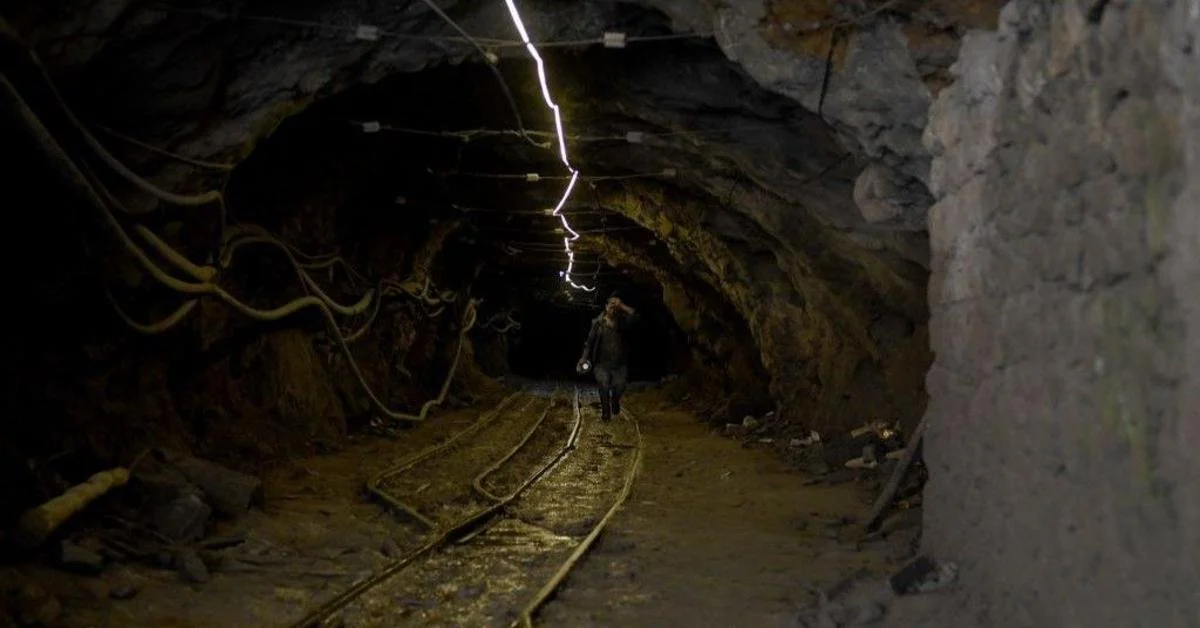
A mine or former industrial site could potentially be repurposed for certain hydrogen-related operations.
For example, an industrial facility might host electrolyzers, water-treatment systems, renewable electricity connections, and hydrogen storage equipment.
Underground spaces might also be investigated for storage, but their suitability would depend on geological integrity, permeability, pressure resistance, and safety requirements.
Not every abandoned mine is appropriate for hydrogen storage.
The Meaning of Hydrogen Lines
Hydrogen lines refer to pipelines or distribution infrastructure designed to transport hydrogen.
Hydrogen can also be moved in specialized containers or converted into other chemical carriers for transport.
A pipeline network would require materials and engineering standards suitable for hydrogen service.
Hydrogen molecules are small and can create material compatibility challenges, including leakage and embrittlement in certain metals.
Existing natural-gas pipelines cannot automatically be assumed to be suitable for pure hydrogen.
Connecting Renewable Energy
Euboea has access to renewable-energy opportunities, including solar and wind resources.
A future hydrogen project could potentially use renewable electricity to operate electrolyzers.
The hydrogen could then serve industrial users, transport applications, or energy-storage systems.
However, converting electricity into hydrogen and later using it again involves energy losses.
Direct electrification is usually more efficient where it is practical.
Hydrogen is most valuable in applications where direct electrical alternatives are difficult or expensive.
Environmental and Safety Considerations
Hydrogen is highly flammable and requires careful handling.
Facilities need appropriate ventilation, leak detection, pressure controls, emergency procedures, and separation distances.
Water demand is another consideration because electrolysis requires purified water.
Environmental assessments would need to examine water availability, electricity sourcing, land use, and the effects of industrial development.
A Possible Regional Energy Network
A future Euboea hydrogen project could connect renewable-energy installations with industrial facilities and selected transport or storage users.
The most practical approach would likely begin with a limited pilot facility rather than an extensive island-wide pipeline.
Such a project would need technical feasibility studies, confirmed demand, financing, regulatory approval, and a clear environmental case.
Conclusion
Hydrogen Lines from Euboea Mineral Mines describe a possible connection between the island's industrial heritage and emerging clean-energy technologies.
Euboea's mining infrastructure and renewable-energy potential could provide useful foundations for selected hydrogen projects.
However, mines are not automatically sources of hydrogen, and pipelines require specialized engineering and safety systems.
The strongest opportunity would involve carefully planned renewable hydrogen production near suitable industrial users, supported by realistic demand and rigorous environmental assessment.