Introduction
Greece possesses an extraordinary archaeological heritage, including ancient sculptures, pottery, inscriptions, coins, architectural fragments, and everyday objects that reveal the development of civilizations across the Mediterranean.
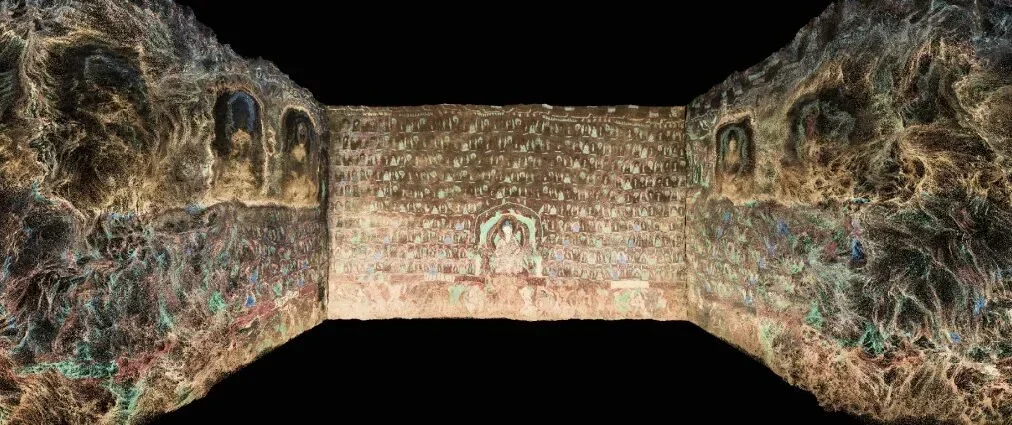
Museums and research institutions increasingly use digital technology to document these objects. Three-dimensional scanning can create detailed digital representations that allow researchers and the public to examine artifacts from different angles without physically handling them.
The title NFT Markets for Artifact 3D Scans Greece explores the possible relationship between digital archaeological models and non-fungible tokens, commonly known as NFTs.
The concept raises important questions about digital ownership, cultural heritage, intellectual property, museum responsibilities, and the commercialization of archaeological imagery.
What Are Three-Dimensional Artifact Scans?
Three-dimensional scanning is a process used to capture the shape and surface characteristics of physical objects.
Several technologies can be used.
Photogrammetry creates a three-dimensional model by combining photographs taken from multiple angles.
Structured-light scanners project patterns onto an object and measure how the patterns deform across its surface.
Laser scanning uses laser measurements to capture distances and construct a digital model.
The resulting file may contain geometric information, surface textures, and color data.
Researchers can use these models to examine objects, create replicas, compare damaged areas, and share archaeological material with people who cannot visit the original collection.
Why Digitize Greek Archaeological Artifacts?
Digital documentation can support research, education, conservation, and public engagement.
A three-dimensional model allows researchers to rotate an object, enlarge details, examine its shape, and compare it with other artifacts.
Digitization can also support the documentation of fragile or inaccessible objects.
If an artifact is damaged in the future, an earlier digital model may provide a useful record of its previous condition.
Digital collections can also make archaeological knowledge more accessible to schools, universities, and international audiences.
Understanding NFTs
A non-fungible token is a unique digital token recorded on a blockchain.
Unlike interchangeable cryptocurrencies, an NFT is designed to represent a distinct token with its own identifier and transaction history.
NFTs can be associated with digital images, videos, music, virtual objects, or other forms of digital content.
A token may point to a digital file or contain information about it, while the actual file may be stored elsewhere.
Buying an NFT generally does not automatically transfer copyright or ownership of the underlying physical object.
This distinction is especially important when NFTs are associated with cultural heritage.
Could Artifact Scans Become NFTs?
A digital model of an archaeological object could potentially be linked to an NFT.
The token might contain metadata identifying the artifact, the institution responsible for the scan, the date of digitization, and the location of the associated digital file.
A blockchain record could provide a history of token transactions.
However, the creation of an NFT does not establish that the seller has the legal authority to commercialize the model.
The institution responsible for the artifact must determine what uses are permitted.
Ownership of Digital Models
The ownership question is complicated.
A museum may possess or legally administer a physical artifact, but that does not necessarily mean it owns every possible digital representation of the object.
Copyright and related rights may depend on the type of image, the jurisdiction, the originality of the digital work, the contractual arrangements, and the institution's policies.
Some digital reproductions may qualify for limited or no copyright protection in certain legal systems, while other creative digital works may receive protection.
A token purchaser must therefore distinguish between ownership of an NFT and the legal rights associated with the underlying file.
Cultural Heritage and Greek Institutions
Greece has a substantial public archaeological and museum sector.
The Ministry of Culture, archaeological services, museums, universities, and research organizations all have roles in protecting and documenting heritage.
Commercial uses of archaeological imagery may involve legal permissions, institutional agreements, and restrictions designed to protect cultural property.
The rules can differ according to the artifact, its ownership, the type of reproduction, and the intended use.
A commercial NFT project involving a museum artifact would therefore require appropriate authorization.
Educational and Research Applications
NFT technology is not necessarily required to make a three-dimensional model useful.
Digital models can already be shared through museum websites, academic repositories, and educational platforms.
However, token-based systems might provide additional tools for documenting licenses, tracking authorized editions, or recording the history of a particular digital release.
For example, an institution could issue a limited digital edition of a model for educational or fundraising purposes.
Such a project would need clear terms explaining what the purchaser receives and what rights remain with the institution.
Ethical Questions
Commercializing archaeological imagery can create ethical concerns.
An artifact may have religious, funerary, ceremonial, or cultural significance.
Turning its digital representation into a speculative asset could conflict with the responsibilities of museums and heritage authorities.
There are also concerns about the unequal distribution of benefits.
If a digital object generates revenue, institutions should consider how the proceeds support conservation, research, education, and the communities connected to the heritage.
Transparency is essential.
Technical Challenges
Three-dimensional models can be large files.
Storing them directly on a blockchain is generally impractical.
A more common approach would store the model in a digital repository and use the NFT to reference the file and its metadata.
Long-term preservation is another concern.
If a hosting service disappears or a storage system becomes inaccessible, the token may continue to exist while the underlying digital model is no longer available.
A reliable project would need preservation arrangements, stable file formats, backups, and clear access policies.
A Responsible Digital Heritage Model
A responsible Greek digital heritage project could begin with authorized scanning.
The institution would document the artifact, create a high-quality three-dimensional model, and establish clear rights and licensing terms.
The model could then be made available through a museum or research platform.
If an NFT were issued, it should clearly state whether it represents a collectible token, a license to use a digital file, a limited edition, or another specific arrangement.
It should never imply ownership of the original archaeological artifact unless such ownership has legally and explicitly been transferred.
Conclusion
The NFT Markets for Artifact 3D Scans Greece concept explores how digital collectibles and blockchain records might intersect with archaeological documentation.
Three-dimensional scanning offers real benefits for research, education, conservation, and public access.
NFTs could potentially provide additional ways to record digital editions, licensing information, and transaction histories.
However, purchasing an NFT does not automatically grant ownership of an ancient artifact or copyright over its digital representation.
For Greece, any such initiative would need to respect archaeological law, institutional authority, cultural heritage ethics, and long-term digital preservation.
The most valuable outcome would not simply be the creation of a new digital market. It would be a system that uses technology to expand access to Greek heritage while protecting the historical objects and communities that give it meaning.