Introduction
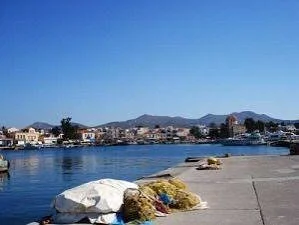
Monemvasia is one of the most distinctive fortified settlements in the Peloponnese. Built on a rocky island connected to the mainland by a narrow causeway, it occupies a strategic position along the southeastern coast of Laconia.
Its history includes Byzantine, Frankish, Venetian, and Ottoman periods, making it an important location for studying Mediterranean military architecture and maritime conflict.
The title Ottoman Cannonballs from Monemvasia Sea Caves suggests the possibility of finding artillery ammunition in coastal caves around the fortified settlement.
Ottoman military activity in the region is historically established, but a specific collection of Ottoman cannonballs recovered from Monemvasia's sea caves should not be treated as confirmed without archaeological documentation.
Monemvasia's Strategic Importance
Monemvasia's geography made it valuable for maritime defense.
The steep rocky island offered natural protection, while its harbor and surrounding coastline provided access to regional sea routes.
Its fortified position allowed controlling authorities to monitor maritime movement and defend the settlement against attacks.
The town's military importance changed as political control shifted between competing powers.
Ottoman and Venetian Rivalry
The eastern Mediterranean was an arena of repeated conflict between Ottoman and Venetian forces.
Both powers sought control over important ports, islands, fortresses, and shipping routes.
Monemvasia changed hands during these periods of rivalry.
Its fortifications and coastal defenses were therefore shaped by changing military technologies and strategic requirements.
Cannon Warfare in the Early Modern Period
Artillery became increasingly important in Mediterranean warfare from the late medieval period onward.
Cannons were mounted on ships, fortress walls, and coastal batteries.
They fired different types of ammunition depending on the weapon and military purpose.
Solid iron or stone cannonballs were commonly used against fortifications and vessels.
Other ammunition types were designed for different tactical effects.
Why Cannonballs Might Appear in Sea Caves
Coastal caves can accumulate objects through several processes.
Ammunition might enter a cave through wave action, collapse, later disturbance, or human storage.
A cave could also have served as a temporary shelter or storage location.
However, the presence of a cannonball inside a sea cave does not establish that it was fired during a battle.
Its position, material, dimensions, and archaeological context must be examined.
Identifying Ottoman Artillery Ammunition
A cannonball's date and origin cannot always be determined through visual inspection.
Researchers would examine its material, diameter, weight, manufacturing marks, and corrosion.
Iron ammunition may provide clues through metallurgical analysis.
Comparison with documented artillery pieces and historical military records could help narrow its likely period.
Even then, distinguishing Ottoman ammunition from Venetian or other European artillery may require substantial evidence.
The Archaeology of Coastal Warfare
The coastline around Monemvasia contains potential evidence of maritime activity.
Shipwrecks, harbor structures, fortifications, and submerged objects can reveal how military and commercial networks operated.
Underwater archaeological investigations may identify material lost during storms, battles, or ordinary shipping activity.
Caves and rocky coastal formations can also preserve evidence of human use.
Historical Records and Military Campaigns
Written sources are essential for reconstructing military activity around Monemvasia.
Ottoman and Venetian documents may contain information about sieges, artillery supplies, military repairs, and coastal defenses.
Local chronicles and maps can provide additional context.
Combining written evidence with archaeological findings is much stronger than identifying an object through appearance alone.
Conservation of Underwater Finds
Iron cannonballs recovered from marine environments often require specialized conservation.
Saltwater corrosion can continue after an object is removed from the sea.
Conservation may involve desalination, controlled stabilization, and appropriate storage.
Removing artifacts without professional treatment can cause further deterioration.
Their archaeological location must also be recorded before recovery whenever possible.
Conclusion
Ottoman Cannonballs from Monemvasia Sea Caves offer a compelling subject for studying artillery, coastal defense, and the military history of the southeastern Peloponnese.
Ottoman-Venetian rivalry and Monemvasia's strategic importance are historically established.
The specific discovery of Ottoman cannonballs in sea caves requires archaeological verification.
If securely documented, such objects could help reconstruct the use of coastal spaces during periods of conflict and provide additional evidence about the military landscape surrounding one of Greece's most remarkable fortified settlements.